
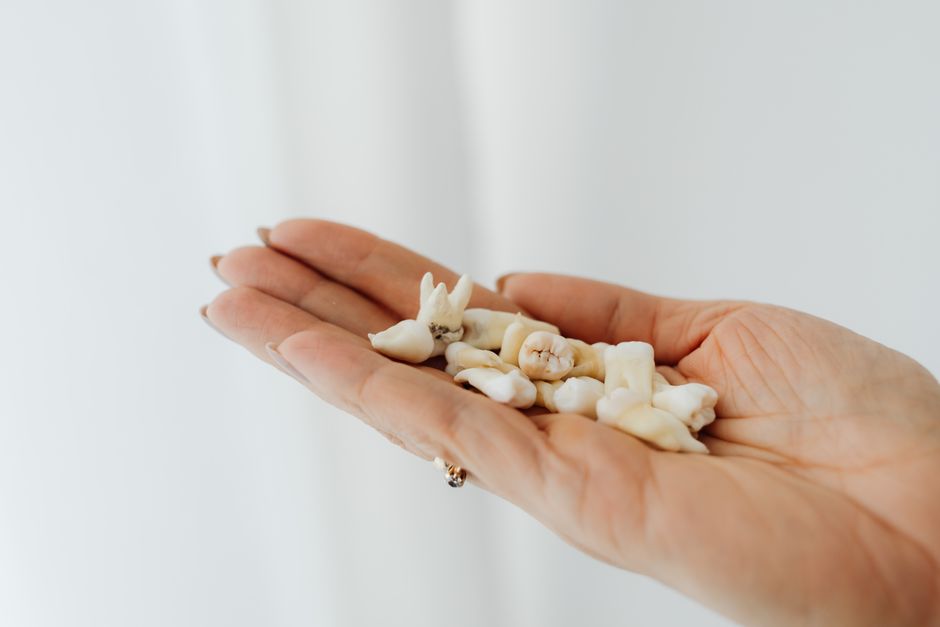
Having a tooth pulled is rarely fun. The numbness fades, the pain sets in, and suddenly you are facing a week of soft foods. If you use cannabis regularly, you might wonder if edibles are a safe way to manage discomfort without smoking. The short answer is yes, you can eat edibles after a tooth extraction, but only if you choose the right texture and follow your dentist’s basic aftercare rules. Solid, chewy, or crunchy edibles are off the table because they can disturb the blood clot and delay healing. Soft options like tinctures or drinks are generally safer, but there are important risks to understand before you do.
Why Smoking and Vaping Are Off Limits After Extraction
Your dentist likely told you not to smoke for at least 48 to 72 hours. That advice is not just about nicotine. The physical act of inhaling creates suction in your mouth. That suction can dislodge the blood clot that forms in the empty socket. That clot is essential for healing. It protects the bone and nerve endings underneath.
If that clot comes out too early, you can develop a condition called dry socket. It is intensely painful, often worse than the extraction itself. The pain typically radiates from the socket into your ear and jaw. It is one of the most common reasons people call their dentist after an extraction.
Smoking also introduces heat and irritants directly into the healing wound. Cannabis smoke contains many of the same irritants as tobacco smoke. Even if you inhale gently, the pressure change in your mouth is the main problem. This is why vaping is also discouraged, despite being less harsh than smoke. The suction risk remains the same.
What Makes an Edible Safe or Unsafe After Extraction
Not all edibles are equal in this situation. The critical factor is texture and how much chewing is required. A brownie that is soft enough to break apart with your tongue might be fine. A gummy bear that requires active chewing is a poor choice. A hard candy or a brittle chocolate bar is a definite no.
Anything that requires chewing creates movement in your jaw muscles. That movement can shift the blood clot. Chewing also pushes food particles into the socket, which raises the risk of infection. The goal in the first few days after an extraction is to keep the area as still and clean as possible.
Here is what to look for when choosing an edible:
- Soft textures: Pudding, yogurt-based edibles, or soft baked goods that melt in your mouth.
- Liquids: Drinkable cannabis beverages or tinctures that you can swallow without chewing.
- No hard pieces: Avoid anything with nuts, seeds, cookie chunks, or toffee bits that could get lodged in the socket.
- No extreme temperatures: Very cold edibles can cause sensitivity. Very hot ones can irritate the wound.
Even with a soft edible, you should eat on the opposite side of your mouth. You should also rinse your mouth gently with water afterward. Do not swish forcefully. Tilting your head and letting water fall out is safer than swishing.
The Real Risk: THC and Bleeding
There is a less obvious concern with edibles that many people do not consider. Cannabis can affect blood pressure and heart rate. Some research suggests it may also affect platelet function, though the evidence is not strong or consistent. Platelets are the cells that help your blood clot.
For most healthy people, this is unlikely to cause significant bleeding after a tooth extraction. However, if you are taking blood thinners or have a bleeding disorder, you should speak to your dentist or doctor before using any cannabis product. The combination of impaired clotting and a fresh wound is not worth the risk without professional guidance.
There is also the question of pain perception. THC can change how you perceive pain, which might seem helpful. The problem is that pain is a signal. If you mask the pain entirely, you might not notice signs of complications like a dry socket or an infection. You might chew on the wrong side or eat something you should not because you do not feel the warning signs.

How Long Should You Wait Before Eating Edibles
There is no official clinical guideline that says exactly when you can eat edibles after an extraction. Dentists generally recommend waiting at least 24 hours before consuming anything beyond liquids and very soft foods. This gives the initial blood clot time to form and stabilize.
If you want to use edibles specifically for pain management, you should take your first dose at home. Do not drive. Do not combine it with prescription painkillers unless your dentist or doctor has explicitly approved the combination. Opioid painkillers and THC both depress the central nervous system. Taking them together can cause dangerous drowsiness and slowed breathing.
This is a point worth repeating. Many dentists prescribe opioids like hydrocodone or codeine for post-extraction pain. Mixing those with edibles is not the same as mixing them with alcohol, but it carries real risks. If you are unsure whether it is safe, call your dentist’s office and ask directly. They cannot advise you on cannabis use if they do not know you are using it.
Are There Better Alternatives for Pain and Anxiety
If your goal is pain relief, over-the-counter options like ibuprofen or acetaminophen are often sufficient for most extractions. Your dentist will likely recommend a specific regimen. Ibuprofen reduces inflammation, which is a major source of post-extraction pain. Acetaminophen works differently but can be effective on its own or combined with ibuprofen.
If your goal is anxiety reduction, that is a different situation. Dental anxiety is real and valid. But the time immediately after an extraction is not the ideal moment to experiment with a new anxiety management strategy. If you use edibles regularly for anxiety, you already know your tolerance and typical response. If you do not, this is not the time to find out.
Some evidence suggests CBD may have anti-inflammatory properties, but the research is far from conclusive. No large clinical trials have confirmed that CBD speeds up dental healing. If you choose a CBD product, treat it as a supplement, not as proven medicine. And remember, CBD gummies have the same chewing problem as THC gummies. A CBD tincture placed under the tongue is a better choice.
Signs of Complications You Should Not Ignore
If you do decide to eat edibles after your extraction, you need to know what normal healing looks like versus what requires a phone call to your dentist. Mild pain and swelling are expected for the first few days. Some minor bleeding for the first 24 hours is also normal.
Call your dentist immediately if you experience any of the following:
- Severe pain that worsens instead of improving after three days
- Bleeding that does not slow down after applying pressure for 30 minutes
- Fever or chills
- Swelling that gets worse after the second day
- A bad taste in your mouth that does not go away with gentle rinsing
These could be signs of dry socket, infection, or another complication. Do not try to manage these symptoms with edibles alone. You need a professional evaluation. The sooner you get treated, the easier the recovery will be.
The Bottom Line on Edibles and Tooth Extractions
You can use edibles after a tooth extraction if you choose soft or liquid forms and you are not on medications that interact with cannabis. The safest options are tinctures, drinkable beverages, or very soft baked goods that require no chewing. Avoid gummies, hard candies, chips, and anything with crunchy mix-ins.
Wait at least 24 hours after the extraction before consuming any edible. Start with a small dose, especially if you are also taking prescription pain medication. Stay home and have someone with you if you are trying edibles for the first time. And if anything feels wrong with your healing, call your dentist. No high is worth a dry socket.
Frequently Asked Questions
Can I eat a gummy edible after tooth extraction?
No, you should avoid gummy edibles because they require chewing, which can dislodge the blood clot. Choose a soft edible or a tincture that does not require chewing instead.
How long after tooth extraction can I eat edibles?
Wait at least 24 hours after the extraction before consuming any edible. This gives the initial blood clot time to form and stabilize in the socket.
Can edibles cause dry socket?
Edibles themselves do not cause dry socket, but chewing hard or sticky edibles can dislodge the blood clot and lead to dry socket. The suction from smoking or vaping is a more direct cause of dry socket.
Can I take edibles with prescription painkillers after tooth extraction?
You should not combine edibles with opioid painkillers unless your dentist or doctor has explicitly approved it. Both can depress the central nervous system and cause dangerous drowsiness.
