
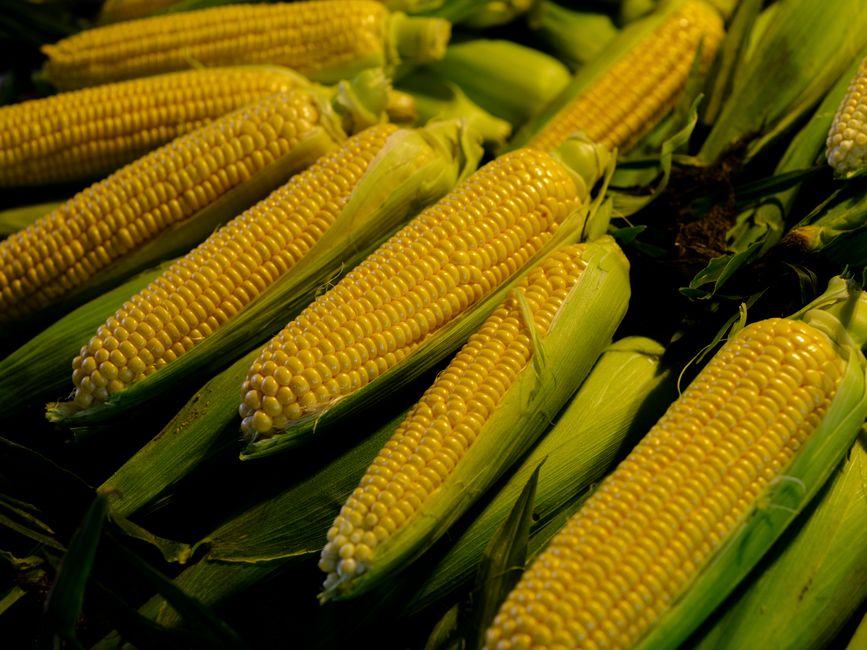
Corn is a whole grain, and whether it belongs on your plate depends on which phase of pancreatitis you are in and how your body handles fiber and fat. In general, plain corn — boiled, steamed, or canned without added fat — is not off-limits for most people with chronic pancreatitis who are stable and eating normally. During an acute flare, when the pancreas is inflamed and you may be on a clear liquid diet or fasting, corn is not appropriate until your doctor advances your diet. The bigger issue is not the corn itself. It is what you put on it and how much fiber your gut can tolerate at that moment.
Why does pancreatitis change what you can eat?
The pancreas makes enzymes that break down fat, protein, and carbohydrates. It also makes insulin. When it is inflamed, that enzyme output drops, and digestion — especially of fat — becomes harder.
That is why fat is the nutrient most often limited during recovery. Fat triggers the pancreas to release enzymes, and in a pancreas that is already irritated, that trigger can worsen pain. Carbohydrates, including the starch in corn, do not stimulate the pancreas the same way. This is a key point: corn is mostly carbohydrate and fiber, with only a small amount of fat. A cup of cooked yellow corn has roughly 1 to 2 grams of fat and about 4 grams of fiber. That fat content is low enough that corn itself is rarely the problem.
The problem is usually the butter, oil, cheese, or cream sauce. Those can turn a low-fat food into a high-fat meal in seconds.
Can you eat corn with pancreatitis?
Yes, for many people with stable chronic pancreatitis, plain corn is fine in normal portions. It is a low-fat, carbohydrate-based food that fits a reduced-fat eating pattern.
There are two situations where the answer changes:
- During an acute flare: You may be told to fast or to drink only clear liquids. Corn is not part of that phase. Once your doctor restarts solid food, you usually begin with low-fat, easily digested foods and add others as tolerated.
- If you have trouble with fiber: Some people with chronic pancreatitis also have delayed stomach emptying or slow digestion. In those cases, large amounts of high-fiber foods can cause bloating, gas, or discomfort. Corn, especially whole kernels, is a high-fiber food.
So the honest answer is: corn is not a forbidden food, but it is not the first food to reach for during a flare, and it may not sit well for everyone.
Does corn trigger pancreatitis pain?
There is no established evidence that corn itself triggers pancreatitis pain. Fat is the food component most consistently linked to pain in chronic pancreatitis, not corn or other starches.
What can happen is that corn is eaten with fat. Corn on the cob with butter, cornbread made with oil, or creamed corn with milk and butter all deliver far more fat than the corn alone. If you notice pain after eating corn, look at the whole meal before blaming the vegetable.
One more factor: portion size. A large serving of any food, even a low-fat one, can cause discomfort when your digestion is already slow. Smaller, more frequent meals are often easier on the pancreas than large ones.




How should you prepare corn if you have pancreatitis?
Preparation matters more than the corn itself. Keep added fat low and keep the texture easy to handle.
Lower-fat options that tend to work well:
- Boiled or steamed corn on the cob, plain or with a small amount of salt and herbs
- Canned corn, drained and rinsed to remove added sodium
- Frozen corn, cooked without butter or oil
- Corn mixed into soups or stews that are already low in fat
Higher-fat preparations to be cautious with:
- Corn with butter, margarine, or cheese sauce
- Creamed corn made with whole milk, cream, or butter
- Cornbread or corn muffins made with oil, butter, or lard
- Fried corn dishes, fritters, or corn chips cooked in oil
If you are in a stable phase and tolerating food well, a plain serving of corn is a reasonable choice. If you are recovering from a flare, introduce it slowly and see how you feel.
What about fiber and digestion with chronic pancreatitis?
Fiber is generally good for you, but it can be a double-edged sword when your digestion is sluggish. Corn contains both soluble and insoluble fiber, and the outer hull of each kernel is largely indigestible.
Some people with chronic pancreatitis develop a condition called exocrine pancreatic insufficiency, where the pancreas does not make enough digestive enzymes. This is usually treated with prescription pancreatic enzyme replacement therapy, taken with meals. When enzymes are replaced properly, digestion of fat and other nutrients improves, and many people tolerate a wider range of foods, including corn.
If you have not been evaluated for enzyme insufficiency and you have greasy stools, weight loss, or bloating after meals, that is worth raising with your doctor. It is a common and treatable issue, and it changes the food conversation entirely.
Is corn easier or harder to digest than other foods?
Corn is moderately hard to digest compared to refined grains like white rice or white bread. The kernel’s outer layer resists breakdown, which is why you sometimes see whole kernels in your stool.
That does not make it harmful. It just means it moves through more slowly and may cause more gas or bulk than refined grains. For someone with a sensitive gut or slow digestion, white rice, pasta, or soft cooked vegetables may feel easier. For someone stable and eating a normal diet, corn is a fine addition.
Refined grains are often recommended during recovery because they are low in fiber and easy on the gut. Whole grains like corn are usually reintroduced as you tolerate more. This is a general pattern, not a rule that applies to everyone.
What does a pancreatitis diet look like overall?
The core of most pancreatitis eating plans is simple: keep fat low, eat small meals, and avoid alcohol completely. Alcohol is a leading cause of chronic pancreatitis and a common trigger for flares.
Beyond that, the details vary by person and by stage:
- Acute flare: Often starts with fasting or clear liquids, then advances slowly to low-fat solids as directed by your care team.
- Recovery and stable chronic disease: A reduced-fat diet with adequate protein, carbohydrates, and micronutrients. Corn can fit here.
- With enzyme insufficiency: Enzyme replacement taken with meals, plus attention to fat intake and fat-soluble vitamin levels.
There is no single pancreatitis diet that fits everyone. Working with a registered dietitian who knows your history is more useful than following a generic list.
When should you avoid corn?
Avoid corn during an acute flare or any period when your doctor has restricted you to clear liquids or a low-fiber diet. Avoid it if you have consistently noticed pain, bloating, or loose stools after eating it, since that is your body telling you something.
Also be cautious with processed corn products. Corn chips, corn syrup in sweetened drinks, and heavily buttered or fried corn dishes are not the same as a plain ear of corn. The processing and added fat matter more than the corn.
If you are unsure whether corn is safe for your situation, that is a question for your gastroenterologist or dietitian. They know your enzyme status, your history of flares, and how your gut has responded to other foods.
Frequently Asked Questions
Can you eat corn with pancreatitis?
Yes, plain corn is generally fine for people with stable chronic pancreatitis because it is low in fat and mostly carbohydrate. It should be avoided during an acute flare or while you are on a clear liquid or low-fiber diet.
Does corn cause pancreatitis flare-ups?
No established evidence links corn itself to pancreatitis flares. Flares are more often tied to high-fat meals, alcohol, or other triggers, so check what the corn was prepared with before assuming the corn is the cause.
Is corn hard to digest with pancreatitis?
Corn is moderately hard to digest because of its fibrous outer hull, which some people find causes gas or bloating. If you have enzyme insufficiency, proper enzyme replacement therapy usually improves how well you tolerate it.
What foods should you avoid with pancreatitis?
The main foods to limit are high-fat items like fried foods, fatty meats, full-fat dairy, and butter, along with all alcohol. Small, low-fat meals are generally easier on the pancreas than large or greasy ones.
