
Eating charcoal has become a popular health trend, but the short answer is no, you should not eat charcoal as a food or supplement for general health. Activated charcoal is a medical treatment used in specific hospital settings for certain types of poisoning or drug overdoses, and it is not safe for regular consumption at home. Taking it for detox, digestion, or teeth whitening carries real risks and is not supported by strong evidence for those uses.
What Is Activated Charcoal and How Is It Different From Regular Charcoal?
Activated charcoal is not the same as the charcoal briquettes you use for grilling. It is made from natural materials like coconut shells, wood, or peat that are heated to very high temperatures with a gas that creates tiny pores. This process, called activation, makes the charcoal extremely porous and gives it a large surface area.
A single gram of activated charcoal can have a surface area of up to 3,000 square meters. That porous structure allows it to trap certain substances in the gut through a process called adsorption. The charcoal binds to toxins or chemicals in the stomach and intestines before they can be absorbed into the bloodstream.
Regular charcoal, like the kind in your barbecue bag, is not processed the same way and can contain additives that are toxic to eat. Never consume barbecue charcoal or any charcoal not labeled as food-grade or pharmaceutical-grade activated charcoal.
Can You Eat Charcoal for Detox or Digestion?
This is the most common claim about activated charcoal, and the evidence does not support it. The idea that charcoal can “detox” your body by binding to toxins you have already absorbed is not how it works. Activated charcoal only works in your digestive tract on substances that are still in your stomach or intestines.
Once a toxin has been absorbed into your bloodstream, charcoal cannot reach it. Your liver and kidneys are the organs responsible for filtering and removing waste from your body. There is no clinical evidence that eating charcoal improves liver function, kidney function, or removes toxins from your blood.
Some people report feeling better after taking charcoal for bloating or gas, but this is likely because the charcoal absorbs gas in the gut. A small study published in the Journal of Internal Medicine Research found that activated charcoal reduced intestinal gas in some people. But the effect is temporary and does not address the underlying cause of bloating.
The American College of Medical Toxicology states that activated charcoal has no proven benefit for general detoxification and should not be used for that purpose. If you have ongoing digestive issues, see a doctor instead of self-treating with charcoal.
What Does Research Show About Charcoal for Poisoning?
Activated charcoal is a legitimate medical treatment for certain types of poisoning, but only when given by medical professionals in a hospital. The American Academy of Clinical Toxicology recommends activated charcoal only for patients who have ingested a potentially toxic amount of a substance that binds to charcoal, and only within one hour of ingestion.
Charcoal does not bind to all poisons. It is effective for some drugs like barbiturates, theophylline, and certain antidepressants. But it does not bind well to alcohols, strong acids or bases, iron, lithium, or potassium. Giving charcoal for the wrong poison wastes time and can cause harm.
Medical-grade activated charcoal is given as a single dose through a nasogastric tube or as a drink. The typical dose is 50 to 100 grams for an adult. This is far more than the small capsules sold in health food stores, which usually contain 500 to 1,000 milligrams. A store-bought charcoal supplement is nowhere near strong enough to treat poisoning.
If you suspect someone has been poisoned, call 911 or your local poison control center immediately. Do not give charcoal at home. The poison control specialist will tell you what to do based on the specific substance ingested.


What Are the Side Effects and Risks of Eating Charcoal?
Eating activated charcoal can cause several side effects, some of which are serious. The most common side effects are black stools, constipation, and vomiting. These are not dangerous on their own but can be unpleasant and alarming.
A more serious risk is aspiration. If you vomit after taking charcoal, you can inhale the charcoal particles into your lungs. This can cause severe lung inflammation, pneumonia, and even death. Medical professionals place a breathing tube before giving charcoal to patients who are at risk of vomiting or who have a decreased level of consciousness.
Charcoal can also cause bowel obstructions, especially in people with slow gut motility or those who have had abdominal surgery. The charcoal forms a thick paste in the intestines that can block the passage of stool. This is a medical emergency that requires surgery to fix.
Another major risk is that charcoal does not discriminate. It binds to whatever is in your stomach, including prescription medications, vitamins, and nutrients from food. Taking charcoal within two hours of medication can reduce the absorption of that drug by 50 percent or more. This can make blood pressure medications, birth control pills, thyroid medications, and antidepressants less effective or completely ineffective.
The table below compares the risks of activated charcoal used in medical settings versus self-use at home:
| Factor | Medical Setting | Home Use |
|---|---|---|
| Dose | 50-100 grams, single dose | 500-1,000 mg capsules |
| Administration | By tube or supervised drink | Swallowed without supervision |
| Airway protection | Breathing tube if needed | None |
| Substance binding | Known poison that binds to charcoal | Unknown, random binding |
| Monitoring | Continuous vital sign monitoring | None |
Does Charcoal Work for Teeth Whitening or Skin Care?
Charcoal toothpaste and face masks are popular, but the evidence for their effectiveness is weak. Some studies suggest that charcoal toothpaste can remove surface stains from teeth because of its abrasive texture. But abrasiveness is also the problem. Charcoal particles are hard and can wear down tooth enamel over time, which makes teeth more sensitive and more prone to cavities.
The American Dental Association has not approved any charcoal-based toothpaste. They recommend using toothpaste with fluoride to protect against cavities. Charcoal toothpaste does not contain fluoride, so you lose that protection while potentially damaging your enamel.
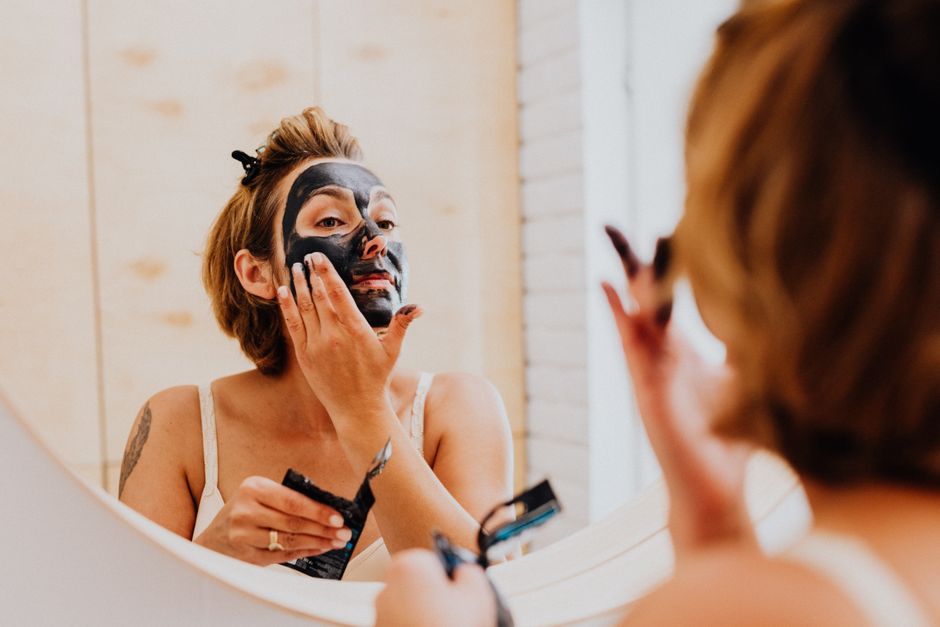
For skin care, charcoal face masks are widely claimed to pull dirt and oil from pores. There is very little clinical research on this. Charcoal can absorb oil on the surface of the skin, but it cannot penetrate deep into pores. The “pulling” sensation people feel when the mask dries is from the mask shrinking, not from charcoal pulling out impurities.
If you want to try charcoal toothpaste or a face mask, do so with the understanding that the benefits are likely cosmetic and temporary. Do not expect any health or medical benefit.
Common Misconceptions About Eating Charcoal
One widespread myth is that charcoal can cure hangovers. Some people take charcoal before or after drinking alcohol in the hope that it will absorb the alcohol. This does not work. Alcohol is absorbed into the bloodstream very quickly through the stomach lining, long before charcoal can bind to it. Charcoal does not bind well to alcohol anyway.
Another misconception is that charcoal prevents nutrient deficiencies or aids weight loss. There is no evidence that charcoal helps with weight loss. In fact, because charcoal can bind to vitamins and minerals from food, regular use could contribute to nutrient deficiencies over time. The body needs fat-soluble vitamins like A, D, E, and K, and charcoal can reduce their absorption.
Some people believe that because charcoal is used in hospitals, it must be safe for home use. But medical treatments are not the same as consumer products. Hospital use of charcoal is tightly controlled, given in specific doses for specific reasons, and monitored closely. The capsules sold at health food stores are not regulated by the FDA for safety or effectiveness.
The FDA has warned against using activated charcoal for food poisoning or stomach bugs. The agency states that there is no evidence that charcoal treats these conditions and that the risks outweigh any potential benefit. If you have food poisoning, the best treatment is hydration and rest. If symptoms are severe, see a doctor.
What to Avoid When Considering Charcoal
- Avoid eating barbecue charcoal or any charcoal not labeled as activated charcoal. Grill charcoal contains additives that are toxic.
- Avoid taking charcoal within two hours of any medication or supplement. It can make your medication ineffective.
- Avoid using charcoal for hangovers or detox. It does not work for these purposes and can interfere with your body’s natural detoxification systems.
- Avoid giving charcoal to children or pets without explicit instruction from a doctor or veterinarian. The risk of aspiration is higher in small airways.
- Avoid using charcoal if you have a bowel obstruction, slow gut motility, or have had recent abdominal surgery. The risk of blockage is real.
- Avoid using charcoal regularly. Occasional use for gas is unlikely to cause harm, but daily use can lead to nutrient deficiencies and medication interactions.
Frequently Asked Questions
Is it safe to eat activated charcoal capsules every day?
No, daily use is not safe because it can bind to nutrients and medications, leading to deficiencies or reduced drug effectiveness.
Can activated charcoal help with food poisoning?
There is no evidence that activated charcoal treats food poisoning, and the FDA warns against using it for this purpose.
Does activated charcoal interact with birth control pills?
Yes, taking charcoal within two hours of birth control can reduce its effectiveness and increase the risk of pregnancy.
How much activated charcoal is safe to take?
There is no established safe dose for home use, and medical doses are far higher than what is sold in supplements.
