
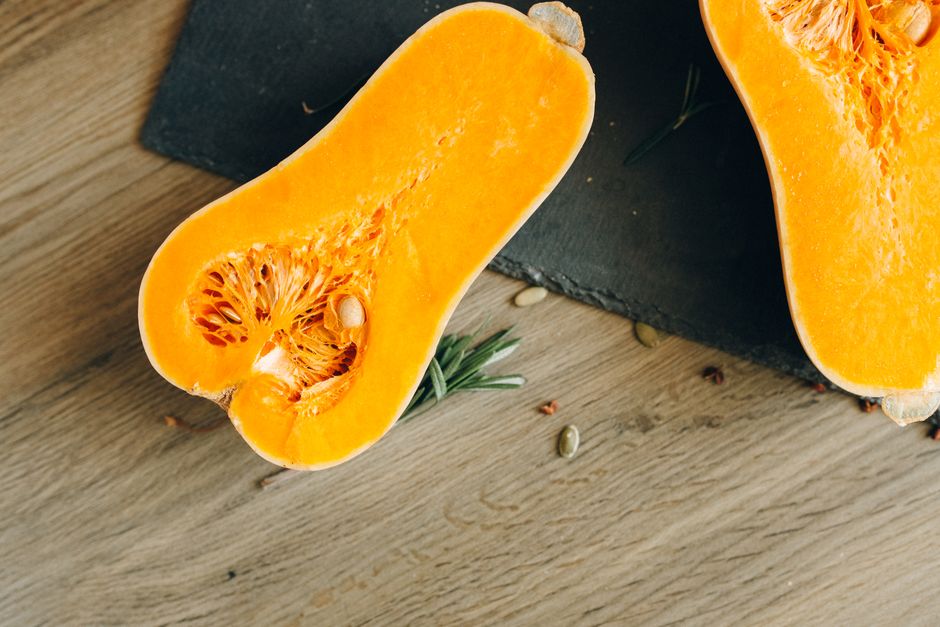
Yes, you can eat butternut squash on a low fiber diet, but only if it is prepared correctly. The key is that the squash must be peeled, cooked until very soft, and mashed or pureed. In this form, the fiber content drops to a level that most people on a low fiber diet can tolerate. Raw butternut squash, or squash with the skin left on, is much higher in fiber and should be avoided during the restrictive phase of the diet.
Why Butternut Squash Fiber Content Changes With Cooking
Fiber is the structural part of plants that your body cannot digest. It is found in the cell walls of vegetables, fruits, and grains. When a vegetable is raw, these cell walls are intact and rigid, holding onto all their fiber.
Cooking changes this. Heat breaks down the pectin and hemicellulose that make up plant cell walls. When you cook butternut squash until it is fork-tender and then mash or puree it, you are mechanically and chemically breaking those fibers down. This makes the squash much easier for your digestive tract to process.
Peeling is just as important as cooking. The skin of butternut squash is particularly dense and fibrous. Even after cooking, the skin remains tough and difficult to digest. Removing it entirely eliminates the most concentrated source of fiber in the vegetable.
What Is a Low Fiber Diet and Who Needs One?
A low fiber diet, sometimes called a low residue diet, limits foods that are hard to digest. It gives the digestive system a rest. The goal is to reduce the amount of undigested material passing through the intestines.
Doctors typically recommend this diet for specific medical situations. These include recovery after bowel surgery, during a flare-up of inflammatory bowel disease like Crohn’s disease or ulcerative colitis, or before certain medical procedures such as a colonoscopy. It may also be used temporarily for people experiencing severe diarrhea or abdominal pain.
This diet is almost always temporary. It is not meant for long-term health. Fiber is essential for regular bowel movements, feeding healthy gut bacteria, and managing cholesterol and blood sugar. A low fiber diet is a short-term medical tool, not a lifestyle choice.
How to Prepare Butternut Squash for a Low Fiber Diet
The preparation method determines whether butternut squash is safe for your current dietary restrictions. Follow these steps carefully.
- Peel completely: Use a sharp vegetable peeler and remove every trace of the outer skin. The skin is the most fibrous part of the squash.
- Remove all seeds: Scoop out the seeds and the stringy pulp in the center. These are also high in fiber.
- Cook until very soft: Boiling, steaming, or roasting until the flesh is extremely tender is essential. It should be soft enough to mash easily with a fork.
- Mash or puree: Break the cooked flesh down completely. A food processor or blender creates the smoothest texture. The finer the texture, the less work your digestive system has to do.
Avoid eating butternut squash raw, even in small amounts. Do not eat the skin, and do not leave the squash in chunks. Large pieces of cooked squash can still be difficult to pass through a narrowed or inflamed intestine.




How Much Butternut Squash Can You Eat?
There is no single safe portion size that applies to everyone. Tolerance varies widely depending on the reason for the diet and the individual’s condition.
A reasonable starting point is a half-cup serving of mashed or pureed butternut squash. See how your body responds. If you have no symptoms like bloating, cramping, or changes in bowel habits, you may be able to tolerate a full cup.
If you are following a low fiber diet due to a recent surgery or an active flare-up of a digestive condition, start small and increase slowly. If you experience any discomfort, reduce the portion size or stop eating it altogether until you speak with your doctor.
Are There Better Low Fiber Vegetable Options?
Butternut squash is not the only option, and for some people it may not be the best one. Other vegetables that are naturally lower in fiber and easier to digest include well-cooked carrots, peeled zucchini, and green beans that are cooked until very soft.
These vegetables follow the same rules as butternut squash. They must be peeled when appropriate, cooked thoroughly, and mashed or pureed. Raw versions of any of these vegetables are not suitable for a low fiber diet.
Some people find that even well-cooked and pureed butternut squash causes issues. This is not unusual. Every digestive system is different, and what works for one person may not work for another. Pay attention to your own body’s signals.
What About Canned Butternut Squash or Soup?
Canned butternut squash puree is often a convenient option. It is already peeled, cooked, and pureed, which means it is typically suitable for a low fiber diet. Check the ingredient list to make sure there are no added seeds, skin, or high-fiber thickeners.
Butternut squash soup can be a good choice if it is smooth and creamy. Avoid soups that contain chunks of squash, pieces of skin, seeds, or other high-fiber ingredients like beans or corn. A completely smooth, strained soup is the safest option.
Be cautious with commercially prepared soups. Many contain onions, garlic, or other vegetables that may not be well tolerated. When in doubt, making your own soup at home gives you full control over the ingredients and texture.
What to Avoid When Eating Butternut Squash
Certain preparation methods and additions can turn an acceptable food into one that causes problems.
Do not roast butternut squash with the skin on. The skin becomes chewy and remains fibrous even after roasting. Do not add nuts, seeds, dried fruit, or whole grain crumbles as toppings. These are all high in fiber.
Be mindful of added fats. While butter or olive oil is not a fiber concern, large amounts of fat can slow digestion and cause discomfort for some people. Use modest amounts if you are already dealing with digestive sensitivity.
Spices are generally fine, but avoid anything that irritates your stomach. This varies by person. Stick to mild seasonings like salt, cinnamon, or a small amount of nutmeg.
When to Check With Your Doctor
A low fiber diet is a medical recommendation, and your doctor should guide how long you stay on it. Do not extend the diet on your own beyond the recommended time frame.
If you are unsure whether butternut squash is appropriate for your specific situation, ask. Your doctor or a registered dietitian can give you personalized guidance based on your condition and your medical history.
Contact your doctor if you experience severe abdominal pain, persistent vomiting, or if you are unable to keep any food down. These symptoms require medical attention and should not be managed by adjusting your diet alone.
Frequently Asked Questions
Can I eat butternut squash skin on a low fiber diet?
No. The skin is the most fibrous part of the squash and should be completely removed before cooking.
Is butternut squash soup okay for a low fiber diet?
Yes, if the soup is completely smooth and contains no chunks, skin, seeds, or other high-fiber vegetables.
How much butternut squash can I eat on a low fiber diet?
Start with a half-cup of mashed or pureed squash and adjust based on how your body responds.
Can I eat raw butternut squash on a low fiber diet?
No. Raw butternut squash is too high in fiber and difficult to digest, even in small amounts.
