
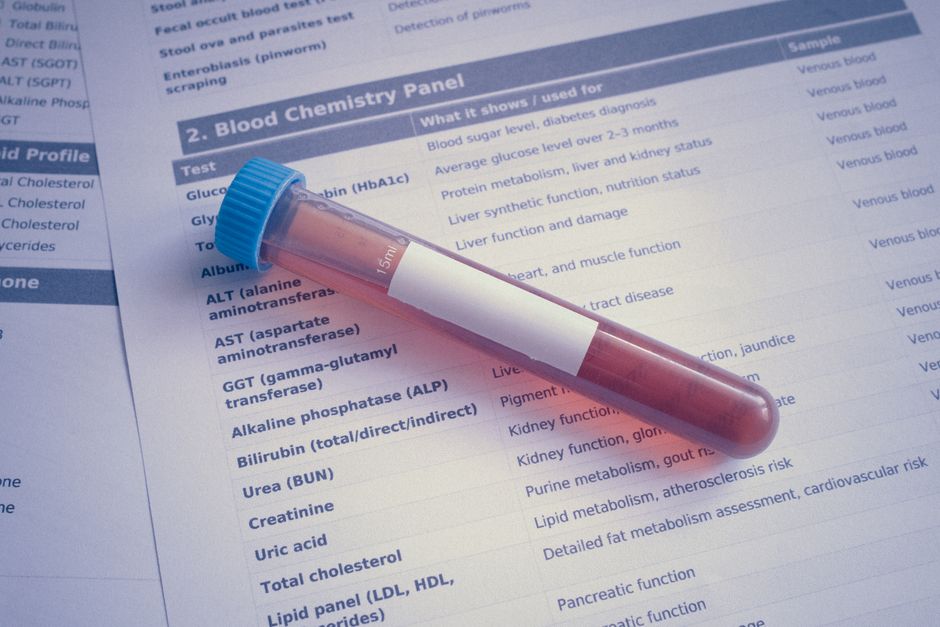
Whether you can eat before a blood test depends entirely on which test your doctor ordered. Some tests, like a basic metabolic panel or a lipid panel, are usually done after you have not eaten for 8 to 12 hours. Others, like a complete blood count or a thyroid panel, can be done at any time, fasting or not. The safest move is to ask the lab or your doctor what your specific test requires before you show up.
Can You Eat Before the Blood Test? The Short Answer
There is no single rule that covers every blood test. The answer depends on what the test is measuring and how food changes those measurements.
Fasting is required when eating would meaningfully change the result. It is not required when it would not. That distinction is the whole game.
For many common tests, food does change the numbers. Blood glucose rises after you eat, sometimes sharply. Triglycerides can climb dramatically after a fatty meal and stay elevated for hours. If you eat before those tests, the lab may report a number that reflects your breakfast more than your health.
For other tests, food has little to no meaningful effect. A complete blood count, which measures red cells, white cells, and platelets, is not affected by a normal meal. Tests for thyroid hormones, certain infection markers, and many others also do not require fasting.
This is why two people can walk into the same lab on the same morning, and one needs to skip breakfast while the other does not.
Which Blood Tests Require Fasting?
The tests that most commonly require fasting are the ones measuring blood sugar and blood fats.
These include:
- Fasting blood glucose — used to screen for diabetes and prediabetes
- Lipid panel — measures total cholesterol, LDL, HDL, and triglycerides
- Basic metabolic panel — includes glucose along with electrolytes and kidney markers
- Comprehensive metabolic panel — a larger version of the basic panel
- Some glucose tolerance tests — though these involve drinking a specific sugar solution, not fasting alone
Triglycerides are the most food-sensitive of these. A single high-fat meal can raise triglyceride levels substantially, and the effect can last for several hours. That is why fasting matters so much for a lipid panel.
Glucose is also affected, but the pattern is different. It rises after eating and returns toward baseline over time. The timing of your last meal matters as much as whether you ate at all.
If your doctor ordered a lipid panel or a glucose test, assume fasting is needed unless you are told otherwise.
Which Blood Tests Do Not Require Fasting?
Many routine blood tests do not require fasting, and going without food for no reason is unnecessary.
Tests that generally do not require fasting include:
- Complete blood count (CBC) — red cells, white cells, platelets, hemoglobin
- Thyroid panel — TSH, T3, T4
- Liver function tests — in most cases
- Kidney function tests — creatinine and related markers
- Vitamin and mineral levels — such as vitamin D, B12, and iron studies
- Inflammatory markers — such as CRP
- Hormone panels — though timing of day can matter for some hormones
Food has minimal effect on these measurements. A normal meal will not change your white blood cell count or your thyroid-stimulating hormone level in any meaningful way.
One caveat: some tests are affected by what you ate, not just whether you ate. Certain vitamin and mineral tests can be influenced by recent supplements. A multivitamin taken the morning of a B12 test, for example, could skew the result. Tell your doctor about any supplements you take.



What Counts as Fasting for a Blood Test?
Fasting for a blood test usually means no food and no drink except water for 8 to 12 hours before the draw. Water is allowed and encouraged, because being hydrated makes the blood draw easier.
What breaks a fast:
- Coffee, tea, or any other beverage with calories
- Juice, soda, or sports drinks
- Milk or cream in coffee
- Any food, including a small snack
- Gum or mints with sugar
Black coffee is a gray area. Some labs allow it, others do not. Caffeine can affect certain measurements, and coffee can affect glucose metabolism in some people. If you are unsure, skip it until after the draw.
Water does not break a fast. Drinking water before your test is fine and often recommended.
Most fasting instructions say 8 to 12 hours. Going much longer than 12 hours is not better and can actually affect some results. A fast that stretches to 16 hours or more can change certain measurements in ways that make them harder to interpret.
What Happens If You Eat Before a Fasting Blood Test?
If you eat before a test that required fasting, the result may not be usable. The lab or your doctor may ask you to come back and repeat the test another day.
The specific effect depends on what you ate and what was being measured. A lipid panel after a fatty meal might show triglycerides that look alarmingly high but are actually just a temporary spike. A glucose reading might look prediabetic when your fasting glucose is normal.
This matters because acting on a misleading result can lead to unnecessary worry, repeat testing, or even unnecessary treatment. A single skewed number can send you down a path you did not need to be on.
If you accidentally ate before your test, tell the phlebotomist or your doctor. Do not hide it. It is far better to reschedule than to get a result nobody can trust.
One non-obvious point: even if you fasted, other things can affect your results. Stress, illness, dehydration, recent exercise, and some medications can all change blood test values. Fasting is one variable among several.
How to Prepare for a Blood Test
Preparation is simple, but getting it right makes your results more reliable.
Confirm with your doctor or the lab whether your specific test requires fasting. Do not assume based on a past test. Different tests have different requirements, and your doctor may have added something new.
If fasting is required, plan your last meal for 8 to 12 hours before your appointment. A normal meal is fine. You do not need to eat anything special the night before.
Drink water. Staying hydrated helps the phlebotomist find a vein and can make the draw quicker and less uncomfortable.
Take your medications as usual unless your doctor told you otherwise. Do not skip prescription medications just because you are fasting. If you have questions about a specific medication, ask your doctor or pharmacist.
Schedule morning appointments when possible. Fasting is easier when most of the fasting hours fall during sleep.
Tell the lab about any supplements or over-the-counter medications you take. Some can affect results.
Do You Need to Fast for a Cholesterol Test?
This one has changed in recent years, and the guidance is not as uniform as it once was.
For decades, a lipid panel required fasting. More recent research has suggested that for many people, non-fasting lipid testing gives results that are just as useful for estimating cardiovascular risk. Some major clinical bodies have moved toward recommending non-fasting lipid testing for routine screening.
But not everyone agrees, and not every lab or doctor has adopted the change. Fasting lipid panels are still commonly ordered, especially when triglycerides are a concern or when a doctor wants to compare results to previous fasting values.
The practical takeaway: follow the instructions you were given. If your doctor says fast, fast. If your lab says fasting is not required for your lipid panel, you can eat. Do not decide on your own based on something you read.
Triglycerides remain the measurement most affected by recent food, so if your triglycerides have been high in the past, your doctor may still prefer a fasting sample.
When to Ask Your Doctor
Ask before your test if you are unsure about fasting, if you take medications that need to be timed around food, or if you have diabetes and fasting could affect your blood sugar management.
People with diabetes need special attention here. Skipping a meal can cause low blood sugar, especially if you take insulin or certain medications. Do not fast for a blood test without checking with your doctor first if you have diabetes.
Pregnant women, people who take multiple medications, and anyone with a chronic condition should confirm fasting instructions rather than assume.
The general rule holds: when in doubt, ask. A two-minute phone call to your doctor’s office or the lab can save you a wasted trip and a misleading result.
Frequently Asked Questions
Can I drink water before a fasting blood test?
Yes, water is allowed and encouraged during a fast. It does not break the fast and helps make the blood draw easier.
How long do I need to fast for a blood test?
Most fasting blood tests require 8 to 12 hours without food. Fasting longer than 12 hours is not better and can affect some results.
What happens if I accidentally eat before a fasting blood test?
Tell the phlebotomist or your doctor right away. They will likely reschedule the test so you can get a result that is accurate and usable.
Can I take my medications before a fasting blood test?
Take prescription medications as usual unless your doctor tells you otherwise. If you have questions about a specific medication, ask your doctor or pharmacist first.
