
Yes, you can eat before most ultrasounds. The answer depends entirely on which body part is being scanned, and the preparation instructions you were given are based on that specific exam. Eating a full breakfast before a thyroid scan is fine. Eating before an abdominal ultrasound is not, because food in your stomach and gas in your intestines can block the view a doctor needs.
Ultrasound uses high-frequency sound waves to create images of organs and tissues. It does not use radiation. What you eat matters only when the scan targets organs that sit behind or near the stomach and intestines. For everything else, food has no effect on image quality.
Can You Eat Before an Ultrasound?
For most ultrasounds, yes. There is no general rule that applies to all ultrasound exams because the preparation depends on what the doctor is looking at.
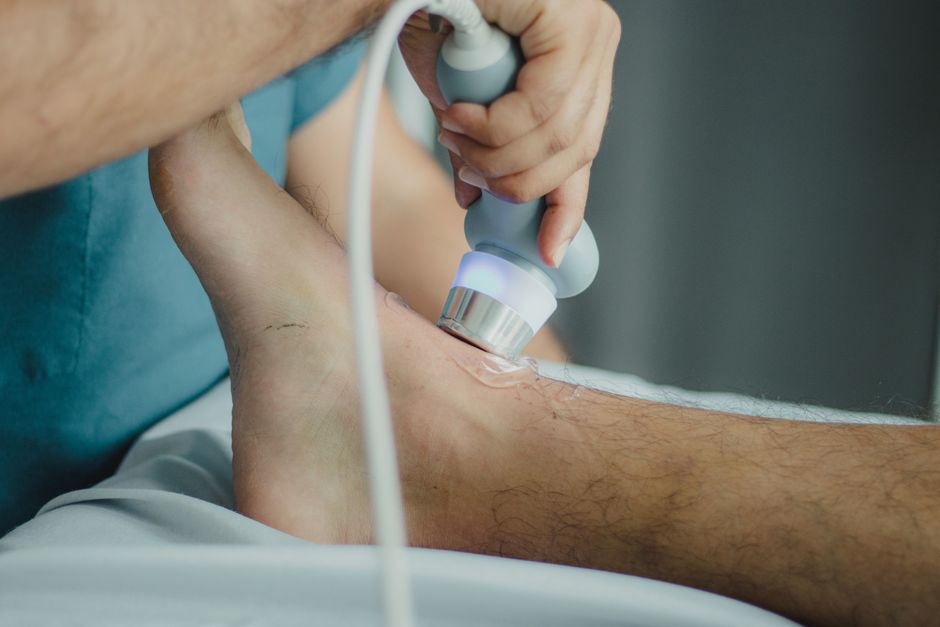
An ultrasound of the thyroid, breast, scrotum, prostate (transrectal), musculoskeletal system, or blood vessels requires no fasting. You can eat and drink normally. These structures sit close to the skin surface and are not affected by digestion.
An abdominal ultrasound is different. This exam looks at the liver, gallbladder, pancreas, spleen, kidneys, and major blood vessels in the abdomen. Food in the stomach and gas in the bowel can obscure these organs. More importantly, eating triggers the gallbladder to contract and release bile, which makes it smaller and harder to evaluate.
A pelvic ultrasound — used to examine the uterus, ovaries, or bladder — usually requires a full bladder, not an empty stomach. You will typically be asked to drink water and hold it. Eating is usually allowed. But follow the specific instructions from your imaging center, because protocols vary.
The key point: there is no single answer. The preparation is exam-specific, and the instructions you receive are tailored to what your doctor needs to see.
Why Do Some Ultrasounds Require Fasting?
Fasting is required when the scan needs a clear view of organs that digestion affects. The two biggest reasons are gallbladder contraction and bowel gas.
The gallbladder is a small sac under the liver that stores bile. When you eat — especially fatty foods — the gallbladder squeezes bile into the small intestine to help digest fat. A contracted gallbladder is difficult to assess for gallstones, polyps, or wall thickening. A fasting gallbladder stays full and distended, which gives the clearest possible image.
Food also produces gas as it moves through the digestive tract. Gas scatters sound waves. When gas sits between the ultrasound probe and the organ being examined, it creates shadows that hide the structures underneath. The pancreas, for example, sits deep in the abdomen behind the stomach. Gas in the stomach can completely block the view of the pancreas.
Fasting reduces both problems. An empty stomach and a quiet bowel give the sonographer a cleaner window to see what matters.
How Long Do You Need to Fast Before an Abdominal Ultrasound?
The standard instruction is to fast for 8 to 12 hours before an abdominal ultrasound. This is the most common protocol used by imaging centers in the United States.
During this window, you typically avoid all food and most drinks. Water is usually allowed in small amounts, but some centers ask you to avoid even water. Clear liquids may be permitted depending on the specific protocol. Always follow the instructions your imaging center gives you, because their requirements may differ.
If you take medications, you can usually take them with a small sip of water. Do not skip prescription medications unless your doctor tells you to. This is especially important for blood pressure medications, heart medications, seizure medications, and insulin or diabetes drugs. If you have diabetes, tell the imaging center in advance. They may schedule you first thing in the morning or adjust the fasting window to reduce the risk of low blood sugar.
Smoking is also typically discouraged before an abdominal ultrasound. Smoking increases gas in the stomach and can worsen image quality.




Which Ultrasounds Do Not Require Fasting?
Most ultrasound exams do not require any fasting at all. If your scan is not looking at the abdomen, you can generally eat normally.
- Thyroid ultrasound — no fasting needed
- Breast ultrasound — no fasting needed
- Scrotal ultrasound — no fasting needed
- Musculoskeletal ultrasound (tendons, joints, muscles) — no fasting needed
- Vascular ultrasound (carotid arteries, leg veins) — no fasting needed
- Transvaginal pelvic ultrasound — no fasting needed; a full bladder may be required
- Obstetric ultrasound (pregnancy) — no fasting needed
- Echocardiogram (heart ultrasound) — no fasting needed
Pelvic ultrasounds are a special case. You may need a full bladder, which means drinking water before the exam and not urinating until after the scan. This is the opposite of fasting. A full bladder pushes the intestines out of the way and gives a clearer view of the uterus and ovaries.
If you are unsure which type of ultrasound you are having, check your appointment paperwork or call the imaging center. The receptionist or nurse can tell you exactly what preparation is required.
What Happens If You Eat Before a Fasting Ultrasound?
If you eat before an abdominal ultrasound that requires fasting, the exam may not give useful results. The sonographer may not be able to see the gallbladder clearly, or gas may block the view of the pancreas and other organs.
In many cases, the technologist will still perform the scan and note the limitations. Your doctor may then need to reschedule the exam for another day. This means a wasted appointment and a delay in getting answers.
Sometimes the scan can still provide enough information despite eating. It depends on what the doctor is looking for and how much food or gas is present. But there is no way to predict this in advance. The safest approach is to follow the fasting instructions exactly as given.
If you accidentally eat something and realize you were supposed to be fasting, call the imaging center before your appointment. They can advise you on whether to come in or reschedule. Being honest about it saves everyone time.
What About Drinking Water or Other Liquids Before an Ultrasound?
Water is usually allowed before an abdominal ultrasound, but the amount matters. Small sips to take medication are generally fine. Large amounts of water can fill the stomach and interfere with the exam.
For pelvic ultrasounds, the instruction is often the opposite: drink several glasses of water and do not urinate before the scan. This fills the bladder, which acts as a window for sound waves to reach the uterus and ovaries.
Coffee, tea, juice, soda, and other beverages are typically not allowed during the fasting window for abdominal ultrasounds. Even black coffee without sugar can stimulate the digestive system and cause the gallbladder to contract. Some centers allow clear liquids only. Others allow nothing by mouth except medication with a sip of water.
Alcohol should be avoided before any ultrasound. It can affect the liver and digestive system in ways that may influence image quality.
Does Fasting Apply to Other Imaging Tests Too?
Fasting requirements vary widely across imaging tests. An abdominal ultrasound and an abdominal CT scan often require similar fasting. But the reasons differ.
For a CT scan with contrast dye, fasting reduces the risk of nausea and vomiting when the contrast is injected. For an MRI of the abdomen, fasting reduces motion from the digestive tract. For a PET scan, fasting is critical because glucose uptake affects how the radioactive tracer distributes in the body.
X-rays and most bone scans do not require fasting. Neither do most mammograms.
The pattern is consistent: fasting is needed when the test is looking at abdominal organs or when a contrast agent is involved. If you are having multiple tests on the same day, follow the strictest fasting instruction. When in doubt, call the imaging center and ask.
Frequently Asked Questions
Can I eat before a pelvic ultrasound?
Yes, eating is usually allowed before a pelvic ultrasound. The preparation for this exam typically involves drinking water to fill your bladder, not fasting.
How long do I need to fast before an abdominal ultrasound?
The standard fasting time is 8 to 12 hours before the exam. Follow the specific instructions from your imaging center, as their protocol may differ.
Can I drink water before an abdominal ultrasound?
Small sips of water to take medication are usually allowed. Some centers permit clear liquids, while others ask you to avoid all fluids. Check with your imaging center.
What if I accidentally ate before my fasting ultrasound?
Call the imaging center before your appointment and tell them. They will advise you on whether to come in or reschedule for another day.
