
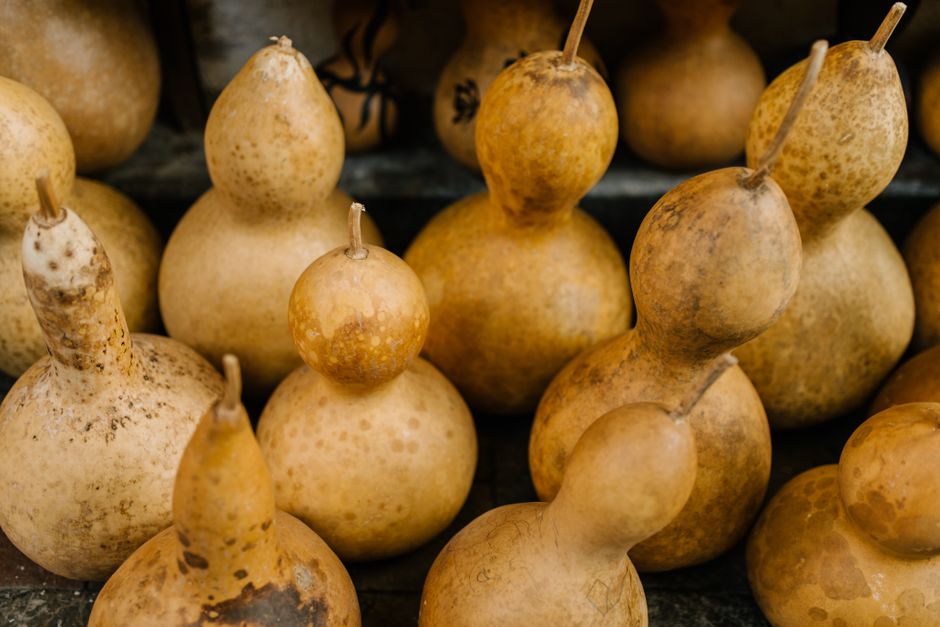
Yes, you can eat a gourd. In fact, you probably already do. Pumpkins, zucchini, butternut squash, cucumbers, and melons all belong to the gourd family, and people have eaten them for thousands of years. The one real catch is that not every gourd is edible, and a few wild or ornamental types are genuinely toxic.
So the short answer is yes — with the important exception of certain non-food varieties. Knowing which is which matters, because “gourd” covers a wide range of plants that look similar but behave very differently in the kitchen and in the body.
What Counts as a Gourd?
Gourds belong to the plant family Cucurbitaceae, often called the cucurbits. This family includes some of the most common vegetables and fruits in the world.
When most people say “gourd,” they mean one of two things. They either mean the hard-shelled, decorative gourds sold in autumn for crafts and displays. Or they mean the soft-fleshed cucurbits people actually cook and eat — squash, pumpkin, zucchini, and their relatives.
Both are gourds in the botanical sense. The difference is what they were bred for. Edible cucurbits were selected over centuries for flavor and low bitterness. Ornamental gourds were selected for thick shells, unusual shapes, and colors — traits that often come with bitter, unpalatable flesh.
A useful clarification: botanically, many gourds are fruits, not vegetables, because they develop from a flower and contain seeds. Nutritionally and culinarily, we treat them like vegetables. Both statements are correct in their own context.
Can U Eat A Gourd — Which Types Are Safe?
Every gourd sold as food in a US grocery store is safe to eat. That includes the ones you might not think of as gourds at all.
- Summer squash: zucchini, yellow squash, pattypan
- Winter squash: butternut, acorn, spaghetti, delicata, Hubbard
- Pumpkin: both the sugar pumpkins sold for pie and the larger carving types
- Cucumber: yes, a cucurbit
- Melons: cantaloupe, honeydew, watermelon, and bitter melon
- Bottle gourd (calabash): eaten widely in South Asia and other regions, usually when young and tender
- Chayote: a mild, edible cucurbit common in Latin American cooking
Carving pumpkins are edible in the sense that they are not toxic, but they are stringy and bland. Most people use them for decoration and cook with smaller, sweeter varieties instead.
The gourds you should not eat are the dried, hard-shelled ornamental types — the ones used for birdhouses, bowls, and fall displays. Their flesh is bitter, tough, and in some cases can cause digestive upset. They are not a food product, and there is no reason to treat them as one.
Why Are Some Gourds Toxic?
Some cucurbits produce compounds called cucurbitacins. These are bitter-tasting chemicals that the plant makes as a defense against insects and animals that would otherwise eat it.
In cultivated food varieties, cucurbitacin levels are very low. That is the whole point of domestication — we bred the bitterness out. But it can reappear. When edible cucurbits cross-pollinate with wild or bitter ornamental varieties, the resulting fruit can carry high levels of cucurbitacins.
This is not a theoretical concern. There are documented cases of people becoming seriously ill after eating zucchini, squash, or pumpkin that tasted extremely bitter. Symptoms reported in these cases include severe stomach cramps, nausea, vomiting, and diarrhea, sometimes within minutes to a few hours of eating.
The practical takeaway is simple and worth remembering: if a squash, zucchini, or cucumber tastes sharply bitter, spit it out and throw the rest away. Do not try to cook the bitterness out. Do not assume it will be fine. Bitterness at that level is the plant telling you something.
This warning applies specifically to home-grown cucurbits and to any you buy from a farm stand or farmers market where bitter and edible varieties may be growing near each other. Grocery store produce is grown under controlled conditions and is very unlikely to have this problem.





Are Gourds Nutritious?
Edible gourds are generally nutritious, though the exact profile varies a lot by type. The table below shows approximate values for a few common ones, per 1 cup cooked, based on USDA data.
| Gourd | Calories | Notable nutrients |
|---|---|---|
| Butternut squash | ~82 | Vitamin A, vitamin C, potassium |
| Acorn squash | ~115 | Vitamin C, potassium, fiber |
| Zucchini | ~20 | Vitamin C, potassium, low calorie |
| Pumpkin | ~49 | Vitamin A, fiber |
| Cucumber | ~16 | Water content, vitamin K |
Winter squash and pumpkin are especially rich in beta-carotene, which the body converts to vitamin A. Zucchini and cucumber are mostly water and very low in calories, which makes them useful for adding volume to meals without adding much energy.
The seeds are edible too. Pumpkin seeds in particular are a source of magnesium, zinc, and healthy fats. Roasted squash seeds work the same way.
One honest note: gourds are not a protein source. They are carbohydrate- and water-based foods. If you are building a meal around them, pair them with protein and fat for satiety.
How Do You Prepare a Gourd?
Preparation depends entirely on which type you have. Soft-skinned summer squash like zucchini can be eaten raw or cooked quickly. Hard winter squash and pumpkin need to be cut, seeded, and cooked until tender.
For hard squash, the most reliable method is to halve it, scoop out the seeds, and roast cut-side down at around 400°F until a knife slides in easily. Timing varies by size and variety — a small acorn squash may take 30 to 40 minutes, while a large butternut can take closer to an hour. Check with a knife rather than trusting a timer.
Bottle gourd and other Asian cucurbits are typically peeled when young, then sliced and cooked into curries, soups, or stir-fries. Older bottle gourds become fibrous and are usually dried for use as containers rather than eaten.
Bitter melon is edible but genuinely bitter. It is used widely in South Asian and East Asian cooking, often blanched or salted first to reduce the bitterness. Its bitterness is normal and expected — unlike the dangerous bitterness in a cross-pollinated zucchini, which is a different situation entirely.
Is There Any Reason to Avoid Gourds?
For most people, no. Edible gourds are well tolerated and have been a staple food across many cultures for centuries.
Some people with irritable bowel syndrome or other digestive sensitivities find that certain squash and melons trigger symptoms. This is individual and not a reason for the general population to avoid them.
Cucumber and melon can cause oral allergy symptoms in people with ragweed or related pollen allergies. This is a known cross-reactivity pattern. Symptoms are usually mild — itchy mouth or throat — but anyone who experiences swelling or difficulty breathing should treat it as a medical emergency.
People with kidney disease who have been told to watch potassium intake may need to limit winter squash and pumpkin, which are relatively high in potassium. That is a conversation to have with a clinician, not a general rule.
And again: ornamental gourds are not food. They are not dangerous to handle, but they should not be eaten.
Frequently Asked Questions
Can you eat decorative gourds?
No. Decorative gourds are bred for hard shells and are bitter, tough, and not intended as food. Stick to cucurbits sold as produce.
What happens if you eat a bitter squash?
Eating a squash with unusually high bitterness can cause severe cramping, nausea, vomiting, and diarrhea, sometimes within minutes. If it tastes sharply bitter, spit it out and discard the rest.
Is a pumpkin a gourd?
Yes. Pumpkin belongs to the Cucurbitaceae family, the same family as squash, zucchini, cucumber, and melon. It is one of the most commonly eaten gourds.
Are gourd seeds safe to eat?
Yes, the seeds of edible gourds are safe to eat and are nutritious. Pumpkin seeds in particular are a good source of magnesium, zinc, and healthy fats.
