
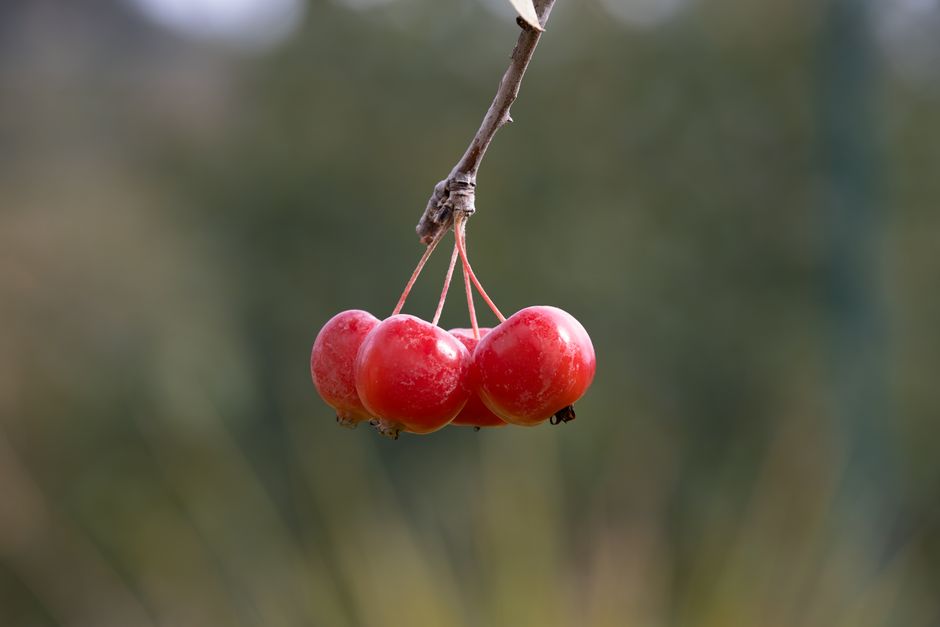
Crabapples are edible. You can eat them raw, cook them, or use them to make jelly, cider, and sauces. The catch is taste, not safety — most crabapples are extremely sour and astringent, so eating them raw is an unpleasant experience for most people rather than a harmful one.
The word “crabapple” covers a wide group of small-fruited trees in the genus Malus, the same genus as the supermarket apple. Some varieties are genuinely good to eat fresh. Others will make your mouth pucker and your face fold in on itself. Knowing which is which, and how to prepare them, is the whole story.
What Exactly Is a Crabapple?
A crabapple is the fruit of any Malus species or variety that produces small fruit, typically under about two inches across. That size cutoff is a naming convention, not a botanical dividing line. The trees are closely related to dessert apples and hybridize with them readily.
Crabapple trees are grown for three overlapping reasons: ornamental flowers, fruit, and pollination. Many ornamental varieties — the ones planted along sidewalks and in parking lots for their spring blossoms — produce fruit that is technically edible but bred with no attention to flavor. Fruit quality was simply not the goal.
This matters for foragers and curious eaters. A crabapple from a landscaping tree and a crabapple from a named cider variety can look similar and taste wildly different. The ornamental one may be mouth-dryingly astringent. The cider variety may be tart but genuinely pleasant.
Are Crabapples Safe to Eat Raw?
Yes. Ripe crabapples are safe to eat raw for most people. They contain no toxin that makes them dangerous in normal amounts.
Like all apples, crabapple seeds contain small amounts of amygdalin, a compound that releases cyanide when crushed and digested. This is true of regular apples too. The amounts are tiny. You would have to chew and swallow a very large quantity of seeds to approach a harmful dose, and the seeds of a few crabapples are not a concern. Avoiding the seeds is easy and sensible, especially for children, but the fruit flesh itself is not a safety issue.
The realistic problem with raw crabapples is the eating experience. Many are so sour and astringent that a single bite is enough. Astringency comes from tannins, which bind proteins in your mouth and create that dry, rough, tightening sensation on your tongue and cheeks. It is not harmful. It is just deeply unpleasant at high levels.
One more practical point: know where your fruit came from. Crabapples growing beside a busy road or on treated landscaping can carry surface contamination. Wash them before eating, the same as you would any fruit.
Why Are Crabapples So Sour and Astringent?
Crabapples are sour because they contain high levels of malic acid, the same acid that gives green apples their sharpness. They are astringent because of tannins in the skin and flesh. Both compounds are natural plant defenses and both are concentrated in crabapples compared with dessert apples.
Dessert apples were bred over centuries to reduce acidity and tannin while increasing sugar. Crabapples were not. Many were selected for flower color, tree shape, or disease resistance instead. The result is fruit that behaves more like a concentrated, unsoftened version of an apple.
Here is the non-obvious part: astringency and sourness are different sensations and they respond to different fixes. Sugar balances sourness well — that is why a pinch of sugar tames a tart apple. Sugar does very little for heavy astringency. Tannins need time, dilution, or binding to other proteins to soften. This is why some crabapple recipes work beautifully and others still taste harsh even after sweetening.
Can You Eat Crabapples From Any Tree?
You can eat the fruit from any crabapple tree, but you may not want to. Safety is not the dividing line. Palatability is.
Taste-testing is the practical approach. Pick a ripe fruit, take a small bite, and pay attention to whether the sourness is sharp but manageable or whether your mouth immediately dries out. Varieties bred for cider or jelly tend to be tart with controlled tannin. Ornamental varieties are a gamble.
A few guidelines help when foraging:
- Pick fruit that is fully colored and easy to twist off the stem. Underripe crabapples are harsher.
- Avoid fruit from trees treated with pesticides or growing in heavy traffic areas.
- Skip fruit with mold, insect damage, or soft brown spots.
- Get permission before picking from private or managed land.
Ripe crabapples soften slightly and lose some of their edge. Waiting for full ripeness, usually in late summer to fall depending on variety and region, makes a real difference in how they taste.
How Do You Make Crabapples Taste Good?
Cooking transforms crabapples. Heat breaks down some tannins and softens the flesh, and added sugar balances the acid. This is why crabapples have a long history in preserves rather than on the fresh fruit plate.
The classic use is crabapple jelly. The fruit is simmered with water, strained, and the juice is cooked with sugar until it sets. Natural pectin levels in crabapples are often high enough to set jelly without added pectin, though this varies by variety and ripeness. Crabapple butter, made by cooking the fruit down into a spiced spread, is another traditional approach that handles astringency well.
Other common uses include:
- Pickled whole crabapples, a traditional preserve in several cuisines
- Crabapple cider and hard cider, where tannin is an asset rather than a flaw
- Chutneys and sauces, where acid and tannin balance rich meats
- Baked into pies and tarts with generous sugar
For raw eating, the best bet is a named sweet or mild variety rather than a random ornamental tree. Some crabapple cultivars are marketed specifically for fresh eating and are described as tart-sweet rather than astringent. If you want to eat them raw, that is where to start.
Are Crabapples Nutritious?
Crabapples contain nutrients similar to regular apples, including vitamin C, fiber, and various plant compounds. The exact amounts vary widely by variety and growing conditions, and there is no standardized nutrient database that covers crabapple varieties specifically.
What is clear is that the fruit is a whole food with fiber and polyphenols, the same family of plant compounds found in apples and credited with much of their nutritional interest. It is not a superfood and no one should treat it as one. It is a real fruit with real nutritional content, eaten in modest amounts because of its strong flavor.
Be skeptical of any product or article claiming crabapples cure or prevent specific diseases. No clinical evidence supports those claims, and the fruit is not consumed in quantities that would make such effects plausible.
Can You Eat A Crabapple If You Have a Sensitive Stomach?
Some people find raw crabapples upsetting to the stomach because of their high acid and tannin content. This is a matter of individual tolerance rather than a universal rule.
If you have acid reflux, gastritis, or a generally sensitive stomach, raw crabapples are a reasonable thing to approach cautiously. The high malic acid content can aggravate symptoms in people prone to them, similar to other very acidic fruits. Cooked and sweetened preparations are usually gentler.
Anyone with a known apple allergy should treat crabapples with the same caution. Crabapples are in the same genus as apples, and cross-reactivity is expected. People with birch pollen allergy sometimes experience oral allergy symptoms with apples and related fruit, and crabapples fall into that same family. If apples make your mouth itch, crabapples likely will too.
Frequently Asked Questions
Can you eat crabapples raw?
Yes, ripe crabapples are safe to eat raw. Most varieties are very sour and astringent, so raw eating is unpleasant for many people even though it is not harmful.
Are crabapples poisonous?
No, crabapple flesh is not poisonous. Like regular apples, the seeds contain small amounts of a cyanide-releasing compound, but the quantity in a few seeds is not a realistic concern.
What do crabapples taste like?
Crabapples taste like very tart, concentrated apples with a dry, astringent edge from tannins. Some named varieties are milder and pleasant to eat fresh.
Can you eat crabapples from ornamental trees?
Yes, the fruit is edible, but ornamental varieties are usually bred for flowers rather than flavor and often taste extremely astringent. Taste one before picking more.
