
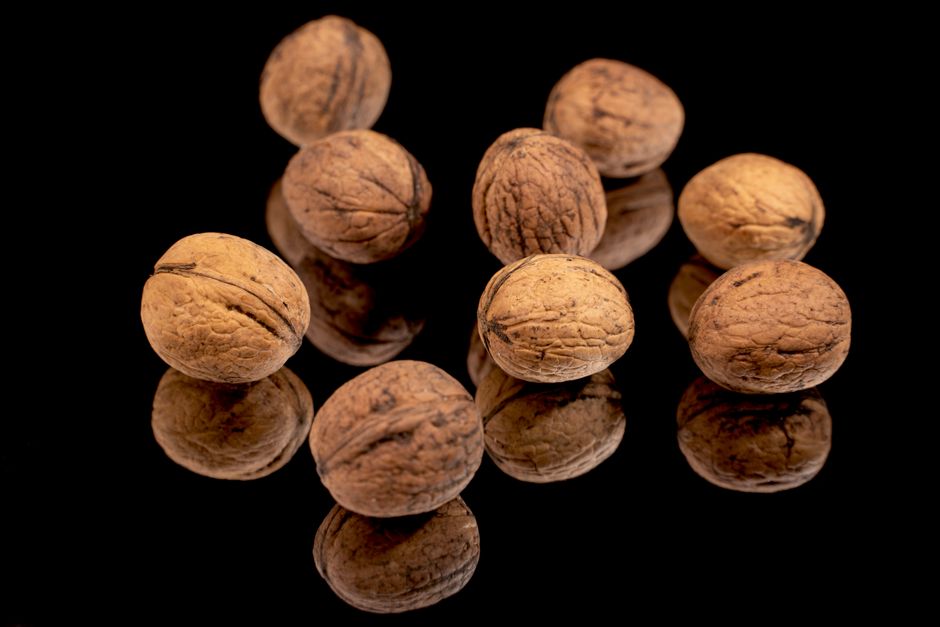
Yes, you can eat black walnuts, but not the way you might eat the familiar English walnuts from the grocery store. The nutmeat inside is edible and nutritious, but the outer green hull, the inner shell, and the bitter skin on the nut itself all need careful handling. The flavor is bold, earthy, and distinctly different from English walnuts, and preparing them takes real effort.
Can You Eat A Black Walnut Raw?
Yes, raw black walnut nutmeats are safe to eat once they are fully extracted from the shell. They taste strong and slightly bitter compared to English walnuts. Some people love this intense flavor. Others find it too sharp.
The challenge is getting the meat out. The shell of a black walnut is extremely hard and thick. It is not something you can crack with a standard nutcracker. People often use a hammer, a heavy vise, or a specialty nutcracker designed for black walnuts. Even then, removing the meat in whole pieces is difficult. Expect broken pieces more often than not.
Once extracted, the raw nutmeat can be eaten directly. It can also be toasted lightly to mellow the bitterness. Toasting brings out a richer, nuttier flavor that many people prefer over eating them raw.
What Parts Of The Black Walnut Are Not Edible?
Several parts of the black walnut are not safe to eat. The green outer hull that covers the shell contains juglone. Juglone is a chemical compound that gives black walnuts their staining power and acts as a natural defense for the tree. It can cause stomach upset if eaten in quantity.
The hard inner shell itself is, of course, not edible. It is woody and nearly impossible to chew. The thin brown skin that clings to the nutmeat is technically edible but very bitter. Most people remove it before eating or cooking with the nutmeat. The effort is worth it because the skin can overwhelm the flavor of the meat underneath.
How Do You Harvest And Prepare Black Walnuts?
Black walnuts fall from the tree in the autumn. You want to collect them after they have dropped, when the green hull is still intact or just beginning to soften. The hull must be removed before the nut can be dried and cracked. Wear gloves. The hull stains your hands a dark brown that takes weeks to wear off.
To remove the hull, you can roll the nuts under your foot on a hard surface, or use a corncob attached to a drill. Some people simply place them on a driveway and drive over them slowly. The goal is to break the hull without crushing the shell inside.
After hulling, the nuts must dry. Spread them in a single layer in a cool, dry place for two to four weeks. Drying shrinks the nutmeat slightly, which makes it easier to remove from the shell later. Properly dried nuts will rattle when shaken.
Cracking comes next. A heavy hammer on a concrete surface works. So does a bench vise. The goal is to break the thick shell without shattering the nutmeat inside. It takes practice, and even experienced foragers lose some meat to broken pieces.
Are Black Walnuts Good For You?
Black walnut nutmeats are genuinely nutritious. They are a good source of protein, healthy fats, and fiber. They also contain magnesium, phosphorus, and vitamin E. The fat content is mostly polyunsaturated and monounsaturated, the types associated with heart health.
Some research suggests that black walnuts have higher antioxidant activity than English walnuts. The dark skin of the nutmeat is rich in phenolic compounds. These are plant chemicals that help neutralize free radicals in the body.
That said, black walnuts are calorie-dense. A small handful provides a significant number of calories. They are a healthy food, but portion control still matters if you are watching your weight.
Can You Eat Black Walnuts If You Have A Tree Nut Allergy?
No. Black walnuts are tree nuts. Anyone with a diagnosed tree nut allergy should avoid them completely. This is not a gray area. Allergy to black walnuts can be severe, and reactions can include anaphylaxis, which is life-threatening.
If you have a known allergy to English walnuts, you should also avoid black walnuts. The proteins in different tree nuts can cross-react. Some people who tolerate English walnuts may still react to black walnuts, and vice versa. If you have any nut allergy, talk to your allergist before trying black walnuts.
Why Are Black Walnuts Harder To Find Than English Walnuts?
The simple answer is labor. English walnuts have thin shells that crack easily. They are grown commercially on a massive scale, and machines handle most of the processing. Black walnuts do not crack cleanly. The shell is thick and irregular, and the nutmeat breaks into small pieces during extraction.
Most black walnuts sold commercially come from small-scale harvesters who collect wild nuts. The nuts are often processed by hand or with heavy machinery that still produces mostly broken pieces. This makes them more expensive and less common in stores.
You can find black walnuts in some specialty grocery stores, farmers markets, and online. They are also a regional food in the Midwest, where the trees grow abundantly. If you cannot find them locally, you can forage your own if you have access to a mature tree.
Can You Eat Black Walnuts Straight From The Tree?
No, and this is a common mistake. A black walnut straight from the tree has a thick green hull that is intensely bitter and contains juglone. Eating the unripe nut inside the hull is unpleasant and can cause nausea. The nut is not fully developed until the hull begins to soften and the shell inside hardens.
Wait until the nuts have fallen naturally. Even then, they need hulling and drying before the nutmeat is palatable. Freshly harvested nuts that have not dried will have a wet, rubbery texture and a bitter taste. Patience is required.
Black Walnuts Versus English Walnuts: What Is The Difference?
| Characteristic | Black Walnut | English Walnut |
|---|---|---|
| Flavor | Bold, earthy, slightly bitter | Mild, buttery, sweet |
| Shell thickness | Very thick, hard, difficult to crack | Thin, cracks easily |
| Nutmeat size | Smaller, often broken | Large, often whole |
| Availability | Seasonal, limited, regional | Year-round, widely available |
| Price | Expensive | Moderate |
The flavor difference is the main reason people choose black walnuts. They have a deep, woodsy taste that is unmistakable. English walnuts are milder and more versatile in everyday cooking. If you have only ever eaten English walnuts, the black walnut flavor will surprise you.
How Should You Store Black Walnuts?
Black walnuts go rancid faster than English walnuts because of their high fat content. Store shelled nutmeats in an airtight container in the refrigerator. They will keep for several months. For longer storage, freeze them. Frozen black walnuts can last up to a year.
Unshelled black walnuts store much longer. Keep them in a cool, dry place and they can last for a year or more. Just check for mold or insect damage before cracking them open. Discard any nut that smells off or tastes bitter beyond the normal flavor.
Can You Cook With Black Walnuts?
Yes. Black walnuts are excellent in baked goods. They are a classic ingredient in black walnut cake, cookies, and fudge. The strong flavor holds up well against sugar and chocolate. They also work well in savory dishes like salads, roasted vegetables, and grain bowls.
A little goes a long way. Because the flavor is intense, you generally need less black walnut than you would English walnut in a recipe. Start with a smaller amount and taste as you go. You can always add more, but you cannot take the flavor out once it is in.
Frequently Asked Questions
Can you eat black walnuts raw?
Yes, raw black walnut nutmeats are safe to eat once fully extracted and dried. They taste strong and slightly bitter compared to English walnuts.
Are black walnuts poisonous?
No, the nutmeat is not poisonous. The green hull contains juglone, which can cause stomach upset, but the mature nutmeat inside the shell is safe to eat.
How do you crack a black walnut?
Use a heavy hammer, a bench vise, or a specialty nutcracker made for black walnuts. The shell is very thick and will not crack with a standard nutcracker.
Where can you buy black walnuts?
Look for them in specialty grocery stores, farmers markets, or online during the autumn harvest season. They are also commonly found in the Midwest United States.
