
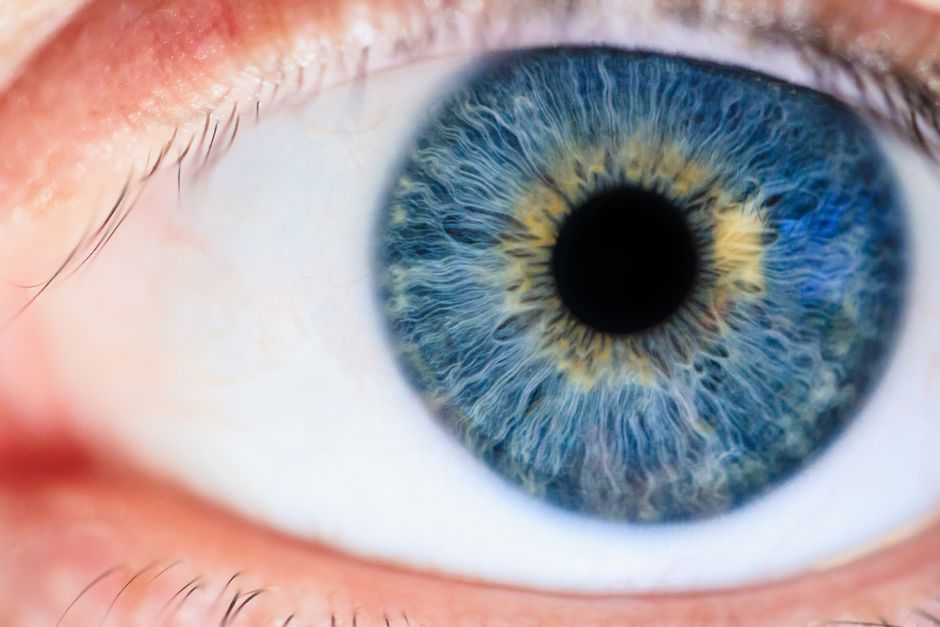
Yes, you can usually drive with dilated eyes, but it is not always legal or safe to do so right after an eye exam. The dilating drops blur your near vision and make you sensitive to light for several hours. Most people can drive home safely once the effects fade, but some cannot drive at all until their pupils return to normal. Whether you should get behind the wheel depends on how your vision responds and what your eye care provider advises.
Can You Drive With Eyes Dilated?
In most US states, it is legal to drive with dilated pupils. Dilated eyes are not a prohibited condition the way alcohol or certain medications are. The law generally focuses on whether you can drive safely, not on the size of your pupils.
That legal reality does not mean it is always wise. The drops used to dilate your eyes temporarily change how your eyes focus and how they handle bright light. Those changes can affect driving even when you feel fine.
Many eye clinics advise patients to bring a driver or arrange a ride home after a dilated exam. Some clinics require it. This is a practical safety step, not a legal one. If you are unsure, ask your eye care provider before your appointment whether you should plan for a ride.
What Do Dilating Drops Do to Your Vision?
Dilating drops relax the muscle that controls the pupil, so the pupil stays open wider than normal. A wider pupil lets more light into the eye. That is useful for an eye exam because it gives the doctor a better view of the retina at the back of the eye.
The same effect creates problems for driving. More light entering the eye makes bright conditions uncomfortable and can cause glare. Oncoming headlights, sunlight, and reflections become harder to manage.
Many dilating drops also temporarily weaken the muscle that changes the shape of the lens to focus on near objects. This is why reading a phone or a dashboard can be difficult after an exam. Distance vision is often less affected, but it varies from person to person.
How long the effects last depends on the specific drop used. Short-acting drops wear off in a few hours. Longer-acting drops can keep your pupils dilated for a day or more. Your eye care provider can tell you which type was used and what to expect.
How Long Should You Wait Before Driving?
There is no single safe waiting time that applies to everyone. The effects of dilating drops vary by the drug used, the dose, your eye color, and how your eyes respond.
For many people, near vision and light sensitivity improve within a few hours. But pupil size can stay enlarged longer than your symptoms suggest. You might feel normal while your eyes are still wide open and still struggling with glare.
A reasonable approach is to wait until your vision feels clear and bright light no longer bothers you more than usual. Some clinicians suggest having someone else drive you home on the day of the exam, then reassessing before you drive yourself the next day.
Do not guess based on how you feel alone. Test yourself in a safe setting first. Try reading small print and looking toward a bright window. If either is difficult, your vision has not fully returned.




Why Dilated Eyes Make Driving Harder
Driving depends on several visual skills that dilating drops can interfere with. Understanding these helps explain why the effects matter even if you feel alert and capable.
- Glare sensitivity. A wider pupil lets in more light, so bright sun and oncoming headlights can be harder to tolerate.
- Blurred near vision. Reading the dashboard, a GPS screen, or a phone becomes difficult when the focusing muscle is relaxed.
- Slower focus changes. Shifting your gaze between the road and the dashboard can take longer.
- Depth perception changes. Some people notice it is harder to judge distance while their pupils are dilated.
These effects are usually temporary. They are also the reason many people prefer not to drive until their eyes return to normal.
Is It Legal to Drive With Dilated Eyes?
In most places, having dilated pupils is not against the law. Driving laws generally address impairment, not pupil size. A police officer who stops you is more likely to be concerned with whether you can drive safely.
Some states and countries have specific rules about driving after certain eye treatments or procedures. Rules can also differ for commercial drivers. If you hold a commercial license or drive for work, check the requirements that apply to you before driving after a dilated exam.
If you are stopped while your eyes are dilated, being honest about the recent eye exam can help. It does not guarantee anything, but it explains why your eyes look unusual.
Who Should Not Drive After a Dilated Eye Exam?
Some people should not drive after a dilated exam, even if they feel able. If any of the following apply, arrange a ride home instead.
- You already have low vision or significant vision correction needs.
- You are very sensitive to light even without dilating drops.
- You had a longer-acting dilating drop, which can keep your pupils enlarged for a day or more.
- You feel dizzy, unsteady, or unusually uncomfortable in bright light.
- Your eye care provider advises against driving.
Your provider knows which drops were used and how your eyes responded. Their advice should carry more weight than a general rule.
Tips for Getting Home Safely
The simplest safeguard is to plan ahead. Bring sunglasses to reduce glare on the way out. Ask whether a friend or family member can drive you home. If you take public transit or a rideshare, you avoid the question entirely.
If you must drive, do it only after your vision feels clear and bright light no longer bothers you. Avoid driving at night or in heavy rain, when glare and low light make things harder. Keep the drive short if you can.
Do not rely on sunglasses alone to make driving safe. They help with glare but do not fix blurred near vision or slower focus.
When to Call Your Eye Care Provider
Most side effects of dilating drops fade on their own. Contact your eye care provider if your vision does not return to normal after the expected time, or if you notice new symptoms.
Seek care promptly if you have severe eye pain, sudden vision loss, or a marked increase in light sensitivity that does not improve. These are uncommon after a routine dilated exam, but they are worth checking.
If you are unsure whether your symptoms are normal, call. A quick conversation is better than guessing.
Frequently Asked Questions
Can you drive yourself home after eye dilation?
Sometimes, but many eye clinics advise against it and recommend bringing a driver. Your near vision and light sensitivity may still be affected for several hours.
How long does it take for dilated eyes to return to normal?
It depends on the drop used, but many people notice improvement within a few hours. Longer-acting drops can keep pupils enlarged for a day or more.
Is it illegal to drive with dilated eyes?
In most US states, no. The law generally focuses on whether you can drive safely rather than on pupil size, though rules can differ for commercial drivers.
What should I bring to my dilated eye exam?
Bring sunglasses to reduce glare and arrange a ride home if possible. Ask your provider which drops will be used so you know what to expect.
