

For most standard blood tests, you should skip the coffee until after your blood is drawn. The reason is not the coffee itself — it is what coffee does to your body and what you put in it. Plain black coffee can affect a few specific test results, and coffee with cream and sugar can affect several more. Fasting guidelines exist for a reason, and coffee is one of the most common things people get wrong before a blood draw.
Can You Drink Coffee Before a Blood Test?
The standard answer from most clinical labs is no. If your test requires fasting, you should have nothing but water until the draw is complete. That includes coffee, tea, and juice.
The confusion comes from a reasonable question: coffee has almost no calories, so why would it matter? The issue is not calories. It is how caffeine and other compounds in coffee interact with your body’s chemistry in the hours before a blood sample is taken.
Caffeine is a stimulant. It raises adrenaline and cortisol levels. It can temporarily increase heart rate and blood pressure. It affects how your body handles glucose. None of these effects are dangerous, but they can shift certain lab values enough to make results harder to interpret.
There is also a practical problem. Many people do not drink their coffee black. Cream, sugar, flavored syrups, and milk add fat, carbohydrates, and protein. Those nutrients enter your bloodstream and can directly change the measurements a fasting test is designed to capture.
If your test does not require fasting, black coffee is generally considered acceptable. But you should confirm with your doctor or the lab performing the draw. The rules vary by test.
Which Blood Tests Require Fasting?
Not every blood test requires fasting. Many common tests are unaffected by what you ate or drank that morning.
Tests that typically require fasting include:
- Fasting blood glucose — measures blood sugar after an overnight fast
- Lipid panel — measures cholesterol and triglycerides
- Basic metabolic panel — sometimes, depending on the specific components being evaluated
- Glucose tolerance test — used to assess how your body processes sugar over time
- Certain hormone tests — some require fasting, others do not
Tests that usually do not require fasting include complete blood count, thyroid function tests, most liver function tests, and many others. But “usually” is doing real work in that sentence. Individual labs and individual doctors set their own requirements.
The fasting window for most tests is 8 to 12 hours. Water is always allowed and encouraged. Being well hydrated makes the draw easier and can slightly reduce the concentration of some substances in your blood, which actually helps with accuracy.
How Does Coffee Affect Blood Test Results?
Coffee can shift a few specific values. The effects are generally small, but small shifts matter when a result falls near a clinical cutoff.
Caffeine stimulates the release of cortisol and epinephrine. These hormones tell your liver to release glucose into the bloodstream. That means a cup of black coffee before a fasting glucose test could push your reading slightly higher than it would otherwise be. Whether that matters depends on how close you are to the diagnostic threshold.
Coffee also contains compounds called diterpenes, including cafestol and kahweol. These are present in higher amounts in unfiltered coffee — French press, espresso, Turkish coffee — than in paper-filtered drip coffee. Some research indicates that these compounds can raise LDL cholesterol and triglycerides over time with regular heavy consumption. A single cup before a lipid panel is unlikely to change your result meaningfully, but it is one more reason the fasting rule exists.
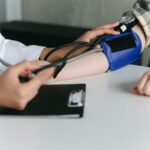
Caffeine can also affect blood pressure readings taken at the same appointment. If your doctor checks your blood pressure after your blood draw and you have had coffee, the reading may be higher than your true resting value.
What about black coffee specifically? Without cream or sugar, the effects are limited to caffeine’s physiological actions and those diterpenes. With cream and sugar, you are adding fat and carbohydrates directly into the measurement.

What Happens If You Drink Coffee by Mistake?
You should tell the person drawing your blood. Do not hide it.
If the phlebotomist or nurse knows you had coffee, they can note it on the requisition. Your doctor can then interpret the results with that context. A slightly elevated glucose reading, for example, might be explained by the coffee rather than by a genuine metabolic issue.
In some cases, the lab may recommend rescheduling the test. In others, they may proceed and simply flag the result. It depends on which test is being run and how strict the fasting requirement is.
The worst thing you can do is say nothing. A result that looks abnormal when it is actually just coffee-related can lead to unnecessary follow-up tests, worry, and in some cases unnecessary treatment.
One more thing worth knowing: if you drank coffee with cream and sugar, the effect on a lipid panel or glucose test is larger than black coffee alone. Be specific when you tell your provider what you had.
What About Tea, Juice, and Other Drinks?
The same logic applies. If a test requires fasting, only water is allowed.
Tea contains caffeine, though usually less than coffee. It can have similar effects on glucose and blood pressure, just smaller in magnitude. Herbal teas without caffeine are less likely to affect results, but some herbal ingredients can interact with certain lab assays. The safest choice remains water.
Juice is a bigger problem. Even 100% fruit juice delivers a significant sugar load. That will raise blood glucose and can affect triglyceride measurements. Orange juice in particular is a common culprit because people think of it as healthy and assume it is fine before a blood draw. It is not, if the test requires fasting.
Soda, sports drinks, and sweetened coffee beverages all contain sugar. They will affect a fasting glucose or lipid panel.
Water is the only drink that is universally acceptable before any blood test. Drink normal amounts. You do not need to overhydrate, but being well hydrated helps.
Why Do Fasting Rules Exist at All?
Fasting creates a standardized baseline. When everyone is measured under the same conditions — no food or drink for 8 to 12 hours — results can be compared against reference ranges that were established under those same conditions.
Reference ranges for fasting glucose, for example, are based on blood drawn after an overnight fast. If you eat or drink something before the test, your result is no longer comparable to that reference range. It is like weighing yourself with your shoes on when the scale was calibrated without them.
The rules are not arbitrary. They exist because the measurements are sensitive to recent intake, and clinical decisions — whether to diagnose diabetes, whether to start a cholesterol medication, whether to order more tests — depend on accurate numbers.
That said, not every doctor enforces fasting for every test. Some newer guidelines have relaxed fasting requirements for lipid panels, since research has shown that non-fasting lipid levels can still provide useful information for many patients. But this is a clinical judgment call, not a blanket rule. If your doctor tells you to fast, fast.
How Long Should You Wait After Your Blood Test to Drink Coffee?
Once the needle is out and you are done, you can have your coffee. There is no physiological reason to wait.
Some people feel lightheaded after a blood draw, especially if they have been fasting. Drinking coffee on an empty stomach can make some people feel jittery or nauseated. If you are prone to that, eat something first, then have your coffee.
If your test did not require fasting, you can drink coffee before and after without concern. But confirm that with your provider, because “did not require fasting” is a determination only your doctor or the lab can make for your specific test.
Frequently Asked Questions
Can I drink black coffee before a fasting blood test?
No. Fasting means nothing but water, and that includes black coffee. Even without cream or sugar, caffeine can affect glucose and blood pressure readings.
How long do you have to fast before a blood test?
Most fasting blood tests require 8 to 12 hours without food or drink except water. Your doctor or lab will give you the specific window for your test.
Does coffee affect cholesterol test results?
Unfiltered coffee contains compounds that can raise LDL cholesterol with regular heavy consumption, but a single cup before a lipid panel is unlikely to change your result significantly. The bigger issue is cream and sugar, which directly affect the measurement.
What should I do if I accidentally drank coffee before my blood test?
Tell the person drawing your blood and your doctor. They can note it on the requisition and interpret your results with that information, or they may recommend rescheduling.
