
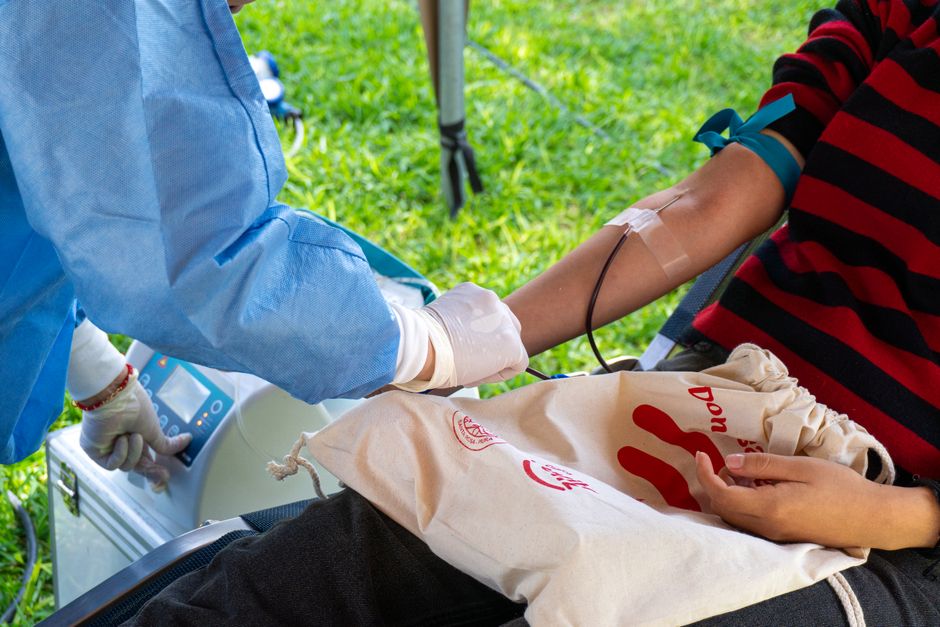
Yes, you can usually donate blood if you have tattoos. In the United States, most blood centers no longer impose a waiting period on tattooed donors, provided the tattoo was applied at a licensed facility using sterile equipment and regulated ink. The old blanket rule that turned people away for a year after getting inked has largely disappeared. What matters now is where and how the tattoo was done, not whether you have one.
The rules vary by country and by blood center, though. A tattoo from a regulated shop in Ohio and a tattoo from an unregulated parlor overseas are treated very differently. Understanding which category you fall into tells you almost everything about whether you can roll up your sleeve.
Can You Donate Blood With Tattoos in the US?
In most of the United States, a tattoo does not disqualify you from donating blood. This is a real shift from how things worked for decades.
The change came after research and blood banking organizations concluded that the risk of transmitting bloodborne infections through a tattoo was very low when the tattoo was done under proper hygiene and sterile conditions. In 2022, the FDA finalized updated guidance on blood donor eligibility that reduced several deferral periods, including those related to tattoos and piercings in certain circumstances. Individual blood centers — the American Red Cross, regional blood banks, hospital-based collection programs — set their own policies within that framework.
Most now ask a specific question: was your tattoo applied by a state-regulated entity using sterile needles and non-reusable ink? If yes, you can typically donate right away. If the tattoo was done in a setting that isn’t regulated — a friend’s apartment, a prison, an unregulated shop in another country — a waiting period usually applies. That period is often three months, though it varies by center.
The practical takeaway: check with the specific blood center you plan to visit before you go. Their eligibility rules are the ones that apply to you that day.
What Makes a Tattoo “Acceptable” to Blood Centers?
Blood centers are not evaluating your tattoo’s artistry. They are assessing infection risk. A tattoo done with single-use needles, fresh ink from sealed containers, and proper skin preparation carries a very low risk of transmitting bloodborne viruses like HIV, hepatitis B, and hepatitis C.
That is the logic behind the current rules. The questions a donor screener will typically ask include:
- Was the tattoo applied at a licensed, regulated tattoo facility?
- Were sterile needles and single-use equipment used?
- Was the tattoo done in a state or country with established hygiene regulations?
- How long ago was the tattoo applied?
If the answers point to a regulated, sterile setting, most centers clear you. If the tattoo was done somewhere unregulated, the concern isn’t the tattoo itself — it’s the possibility of an undetected infection acquired during the procedure. That’s why a waiting period exists in those cases. It gives enough time for infections to become detectable on standard screening tests.
One detail many people don’t realize: the deferral for an unregulated tattoo is not about the tattoo ink entering your bloodstream. It’s about the small but real risk that the procedure itself transmitted an infection you don’t yet know you have.
Does the Age of Your Tattoo Matter?
For most donors, an older tattoo is simpler. A tattoo you got ten years ago at a licensed shop in the US is almost never a barrier. The infection risk window has long passed, and the tattoo itself has no bearing on your blood’s safety.
A brand-new tattoo is a different situation only in the sense that it may still be healing. Blood centers generally want you to be in good health on donation day. An actively healing tattoo with signs of infection — redness spreading beyond the tattoo area, warmth, pus, fever — would be a reason to postpone donating until you’ve recovered. That’s not a tattoo rule specifically; it’s a general health rule. You shouldn’t donate while you have an active infection of any kind.
Some centers also ask donors to wait until a fresh tattoo has fully healed before donating, often a matter of weeks. Again, this varies. The safest approach is to call ahead if your tattoo is recent.
What About Tattoos Done Outside the US?
This is where the rules get stricter, and for good reason. Blood centers distinguish between tattoos done in regulated settings and those done where hygiene standards may not be enforced.
If you received a tattoo in a country where tattooing is not well regulated, or in any setting where sterile single-use equipment wasn’t confirmed, most US blood centers will apply a deferral period. That period is commonly three months, though some centers may use a different interval. The concern is bloodborne infection risk during the procedure.
This doesn’t mean a tattoo from abroad permanently disqualifies you. It means there’s a waiting period. After that window passes, and assuming you’re otherwise healthy and test negative on standard screening, you can usually donate.
If you’re unsure whether your tattoo qualifies as “regulated,” tell the screener the details — country, year, and setting. They can tell you which category applies.
How Do Tattoos Compare to Piercings and Other Body Art?
Body piercings are handled similarly to tattoos, with one important difference. A piercing done with a sterile, single-use needle at a regulated facility is generally treated the same as a regulated tattoo. A piercing done with a piercing gun, or in an unregulated setting, may trigger a deferral.
The reason is the same: shared equipment and uncertain sterilization raise the risk of transmitting bloodborne infections. A piercing gun that isn’t properly cleaned is a concern for the same reason a reused tattoo needle is.
Other forms of body art — microblading, permanent makeup, scarification — are evaluated case by case. Some centers treat them like tattoos; others may not. If you have any of these, describe exactly what was done and where, and let the blood center make the call.
What Else Could Stop You From Donating?
Tattoos are just one of many eligibility factors. Even with a perfectly acceptable tattoo, you may be deferred for other reasons. Common ones include:
- Recent illness, fever, or active infection
- Low hemoglobin or anemia
- Recent travel to areas with malaria or other endemic diseases
- Certain medications, including some antibiotics and blood thinners
- Recent surgery or pregnancy
- Age and weight requirements set by the center
None of these are reasons to assume you can’t donate. They are reasons to be honest on the screening questionnaire. Blood centers want your blood, but they want it safe. Being upfront about your tattoo and your health history speeds up the process and protects the person who receives your donation.
If you’ve been turned away before because of a tattoo, it’s worth checking again. Policies have changed significantly in recent years, and a rule that applied five years ago may no longer exist. The same is true if you were deferred for travel or medication — those rules evolve too.
Frequently Asked Questions
Can you donate blood if you have a tattoo?
Yes, in most cases. If your tattoo was done at a licensed, regulated facility with sterile equipment, most US blood centers allow you to donate without a waiting period.
How long after getting a tattoo can you donate blood?
If the tattoo was done at a regulated facility, often no wait is required. If it was done in an unregulated setting, a deferral period of about three months commonly applies, though this varies by blood center.
Can you donate blood with a tattoo from another country?
It depends on whether tattooing is regulated in that country and whether sterile equipment was used. Many US centers apply a waiting period of roughly three months for tattoos from unregulated settings.
Do you have to tell the blood center about your tattoo?
Yes. Donor screening questionnaires ask directly about tattoos and piercings, and honest answers protect the safety of the blood supply.
