
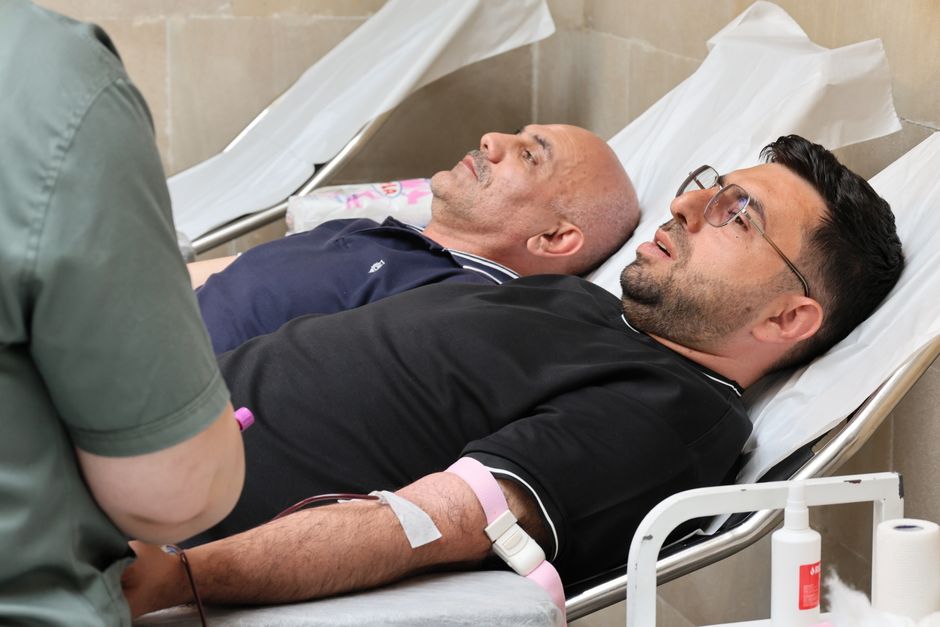
Yes, you can donate blood if you have hemochromatosis, but not through a standard volunteer blood drive. In the United States, the FDA allows people with hereditary hemochromatosis to donate blood at licensed blood establishments under specific conditions. The blood can be used for transfusion, not just discarded. That said, not every donation center participates, and you need to meet the same eligibility rules as any other donor.
This is one of the few situations where a medical condition and a public health need line up neatly. The treatment for hemochromatosis is removing blood. Blood banks need blood. But the details matter, and they vary by country and by center.
What Is Hemochromatosis and Why Does It Require Blood Removal?
Hereditary hemochromatosis is a genetic disorder that causes the body to absorb too much iron from food. The excess iron has nowhere to go, so it gets stored in organs — mainly the liver, heart, pancreas, and joints. Over years, that iron buildup can damage those organs.
Most cases in people of Northern European descent are linked to mutations in the HFE gene, most commonly C282Y. Not everyone with the mutation develops iron overload, and the reasons why some do and some don’t are still being worked out. This is a genuinely important point: carrying the gene is not the same as having the disease.
The standard treatment is therapeutic phlebotomy — removing a pint of blood on a schedule. Each unit removed takes iron with it, because iron is carried inside red blood cells. Doctors repeat this until iron stores drop to a target range, then continue at longer intervals to keep them there. It is a simple, low-tech treatment that works well, and it has been the standard of care for decades.
Can You Donate Blood If You Have Hemochromatosis?
In the United States, yes. The FDA permits blood establishments to collect blood from donors with hereditary hemochromatosis, provided the donor meets all standard eligibility requirements and the blood is handled under the agency’s specific conditions. The collected blood may be used for transfusion.
This was not always the case. For years, blood from people with hemochromatosis was routinely discarded, largely out of concern about a theoretical risk of iron overload in recipients. That concern did not hold up. A transfusion recipient receives a small amount of extra iron in a single unit, and the body regulates iron absorption, so a transfusion does not cause iron overload in a person without an iron-loading disorder.
Regulatory agencies in several other countries, including Canada and the United Kingdom, have also moved to allow these donations under defined conditions. The specific rules differ from place to place, so the practical answer depends on where you live and which blood service you use.
Why Doesn’t Every Blood Center Accept Hemochromatosis Donors?
Because acceptance is permitted, not required. Each blood collection organization sets its own policies within the regulatory framework, and many have chosen not to participate or to participate only in limited ways.
The reasons are mostly logistical and administrative rather than medical:
- Some centers are not set up to track the additional documentation the FDA conditions require.
- Therapeutic phlebotomy is often billed to insurance as a medical procedure, and mixing that with volunteer donation creates billing and consent complications.
- Some organizations have been slow to update policies that predate the current FDA position.
- Smaller centers may lack the staffing to manage a separate donor category.
In practice, this means you may need to call around. A center that declines today may accept later, and policies do change. If you are being treated with therapeutic phlebotomy at a hospital or clinic, ask whether that blood is being used or discarded — some programs route it to transfusion services, and some do not.
What Are the Requirements to Donate With Hemochromatosis?
The core requirements are the same as for any donor, plus a few specific to the condition. You generally need to be in good health overall, meet the age and weight criteria your center uses, and pass the standard health screening and mini-physical done at the time of donation.
The hemochromatosis-specific conditions typically include:
- A confirmed diagnosis, usually documented by a physician.
- The donation must be part of your treatment plan or consistent with it.
- Your blood counts must be adequate — you cannot donate if you are already anemic, which can happen if phlebotomy has been too aggressive.
- You must not have other conditions that would disqualify any donor, such as certain infections or recent travel to areas with malaria risk.
One clarification worth making: having hemochromatosis does not mean you can donate more often than the standard interval. The FDA conditions for hemochromatosis donors do not create a separate, more frequent schedule for volunteer donations. If your doctor prescribes more frequent phlebotomy as treatment, that is a medical procedure, not a blood donation, and the blood may or may not be usable depending on the program.
Is the Blood Safe for the Person Who Receives It?
Yes, based on the evidence available. Blood from donors with hemochromatosis goes through the same testing and screening as any other unit — infectious disease testing, blood type matching, and compatibility checks. The condition itself is not transmitted through blood.
The iron question comes up often. A single unit of blood contains roughly 200 to 250 milligrams of iron, bound inside hemoglobin. A transfusion recipient gets that iron, but the body has limited capacity to absorb additional iron from the diet and regulates it tightly. In a person without an iron-loading disorder, this does not produce iron overload.
The one group where extra iron deserves more thought is people who receive many transfusions over years — for example, some patients with thalassemia or other chronic anemias. Those patients are already monitored for iron loading, and transfusion services track cumulative exposure. This is a clinical management issue for their care team, not a reason to exclude hemochromatosis donors from the general blood supply.
How Does Donating Compare to Therapeutic Phlebotomy?
Physiologically, they are the same procedure. A needle goes into a vein, a unit of blood is removed, and your body replaces the volume and eventually the red cells. The difference is paperwork, purpose, and who pays.
Therapeutic phlebotomy is a medical treatment. It is ordered by a physician, scheduled to hit specific iron targets, and often billed to insurance. Donated blood is a volunteer act collected under blood banking regulations. Some people with hemochromatosis do both — they donate when eligible and receive therapeutic phlebotomy when their treatment schedule calls for it.
If you are in the maintenance phase of treatment, when phlebotomy is less frequent, donation can sometimes substitute for a scheduled treatment. That is a decision to make with your doctor, not on your own, because the timing affects your iron levels and your blood counts.
What Should You Do If You Want to Donate?
Start by calling the blood center directly. Ask specifically whether they accept donors with hereditary hemochromatosis and what documentation they need. General customer service lines often do not know the answer, so ask to speak with someone involved in donor eligibility.
Bring proof of your diagnosis and a note from your physician if the center requests it. Have recent lab results available if you can — ferritin and transferrin saturation are the usual markers, and some centers want to see them.
Do not stop or change your treatment plan in order to donate. If your doctor has you on a phlebotomy schedule, follow it. Donation is a bonus when it fits, not a substitute for medical care.
Frequently Asked Questions
Can you donate blood if you have hemochromatosis?
Yes, in the United States the FDA allows people with hereditary hemochromatosis to donate blood at licensed blood establishments that choose to participate. You must meet all standard donor eligibility requirements, and not every center accepts these donations.
Is blood from a hemochromatosis donor safe for transfusion?
Yes, based on available evidence, and it undergoes the same infectious disease testing and compatibility checks as any other unit. The extra iron in a single unit does not cause iron overload in a recipient without an iron-loading disorder.
Can you donate blood more often if you have hemochromatosis?
No, the FDA conditions for hemochromatosis donors do not allow a more frequent volunteer donation schedule than the standard interval. More frequent phlebotomy prescribed by your doctor is a medical treatment, not a blood donation.
Why do some blood banks refuse hemochromatosis donors?
Acceptance is permitted but not required, so each organization sets its own policy. Some centers have not updated procedures or lack the documentation systems the FDA conditions require.
