
Small fiber neuropathy itself does not kill you. It is not a fatal disease, and no one dies from damaged small nerve fibers directly. But the symptoms it causes can seriously affect your safety and quality of life — and in rare cases, the condition that triggered it can be life-threatening. That distinction matters, and it is the honest answer.
If you have been diagnosed with small fiber neuropathy, you deserve a clear explanation of what this condition does, what it does not do, and where real risks may exist. This article answers those questions without hype or false reassurance.
What Is Small Fiber Neuropathy?
Small fiber neuropathy is a condition that affects the small nerve fibers in your body. These tiny nerves do two main jobs: they carry pain and temperature signals to your brain, and they control automatic functions like sweating and blood pressure regulation.
When these fibers are damaged, you may feel burning, tingling, or sharp stabbing pain — often in your feet and hands first. You may also lose some ability to feel temperature or pain in those areas. Some people notice changes in sweating or digestion.
The condition is different from large fiber neuropathy, which affects balance, muscle strength, and vibration sense. Small fiber neuropathy can occur on its own or alongside large fiber damage.
Your nerves are not sending signals the way they should. That is real. The pain is real. But the nerves themselves are not vital organs. Damaged small fibers do not cause your heart to stop or your lungs to fail.
Can You Die from Small Fiber Neuropathy?
No. Small fiber neuropathy is not a fatal condition. The damaged nerves themselves do not threaten your life.
This is well established in the medical literature. Small fiber neuropathy affects sensory and autonomic nerves — the ones that help you feel pain, temperature, and regulate things like sweating and blood pressure. It does not attack your heart muscle, your brain, or your lungs directly.
People with small fiber neuropathy can live for decades with the condition. The challenge is managing symptoms and addressing any underlying cause.
However — and this is important — the word “neuropathy” sometimes gets used loosely. If you have been told you have neuropathy but your symptoms include weakness, balance problems, or muscle wasting, you may have a different or additional type of nerve damage. Those conditions have their own risks and should be evaluated separately.
What Causes Small Fiber Neuropathy?
Diabetes is the most common cause of small fiber neuropathy in the United States. High blood sugar over time damages small nerves throughout the body. Even prediabetes — blood sugar levels higher than normal but not yet in the diabetes range — can cause small fiber damage.
Other known causes include:
- Alcohol use disorder, which can damage nerves through nutritional deficiencies and direct toxic effects
- Certain medications, including some chemotherapy drugs
- Vitamin B12 deficiency
- Hypothyroidism
- Autoimmune conditions like Sjögren’s syndrome and lupus
- Infections such as HIV and hepatitis C
- Genetic mutations that affect nerve function
In many cases, no cause is found. Doctors call this idiopathic small fiber neuropathy. Research suggests that a portion of these cases may have an autoimmune or genetic basis that current testing cannot identify.
Finding the cause matters because some causes are treatable. Correcting a vitamin deficiency or controlling blood sugar can slow or stop progression. But not all causes can be reversed.





What Are the Real Risks of Small Fiber Neuropathy?
The main risks from small fiber neuropathy come from its symptoms, not the nerve damage itself.
Loss of pain and temperature sensation in your feet means you might not notice injuries. A blister, a cut, or a burn can go untreated and become infected. For people with diabetes, foot infections are a leading cause of hospitalization and amputation. The neuropathy itself is not the threat — the infection that follows an unnoticed wound is.
Autonomic symptoms can also be dangerous. If small fiber neuropathy affects the nerves that control blood pressure, you may experience drops in blood pressure when standing up. This can cause dizziness, fainting, and falls. Falls are a serious risk, especially for older adults.
Some people with small fiber neuropathy develop gastroparesis — slowed stomach emptying. This can cause nausea, vomiting, and poor nutrition. In severe cases, it requires medical treatment.
Chronic pain itself takes a toll. Sleep disruption, depression, and anxiety are common in people with ongoing nerve pain. These are not minor issues. They affect health and quality of life, and they deserve treatment.
None of these complications mean the neuropathy will kill you. They mean the condition needs attention and management.
Can the Underlying Cause Be Life-Threatening?
Yes, in some cases. The neuropathy is not fatal, but the disease that caused it might be.
If small fiber neuropathy is caused by diabetes, the long-term risks of diabetes — heart disease, kidney failure, stroke — can be life-threatening if blood sugar is not managed. The neuropathy is a sign that diabetes is affecting your nerves. It may also be affecting your blood vessels and organs.
If the cause is an autoimmune disease, that condition may have its own serious complications. Some autoimmune diseases can affect the heart, lungs, or kidneys.
If the cause is a paraneoplastic syndrome — a rare situation where the immune system attacks nerves in response to a hidden cancer — the cancer itself is the threat. This is uncommon, but it is one reason doctors sometimes look for underlying cancer when someone develops small fiber neuropathy rapidly without an obvious cause.
This is why a thorough evaluation matters. Finding and treating the underlying cause is not just about your nerves. It is about your overall health.
How Is Small Fiber Neuropathy Treated?
There is no cure for small fiber neuropathy. Treatment focuses on two things: addressing the underlying cause if one is found, and managing symptoms.
If a cause is identified, treating it may slow or stop progression. Blood sugar control in diabetes, vitamin supplementation for deficiencies, and immune treatments for autoimmune causes are examples. Some people improve with treatment. Others do not.
For symptom relief, several medications are used. These include certain antidepressants, anti-seizure drugs, and topical treatments. Not everyone responds to these medications, and they can have side effects. What works for one person may not work for another.
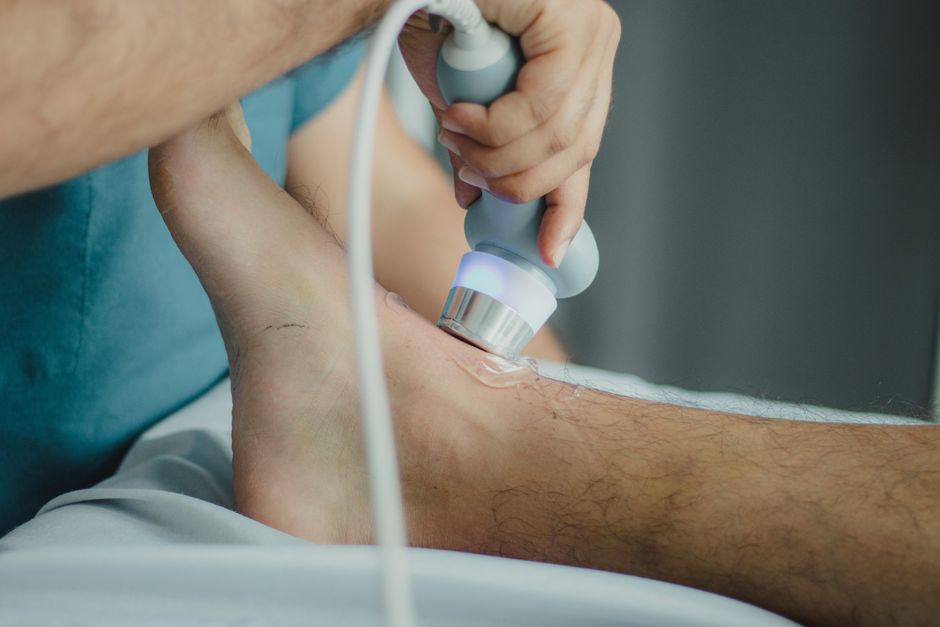
Some clinicians recommend physical therapy, transcutaneous electrical nerve stimulation (TENS), or other approaches. The evidence for these varies. Some studies suggest benefit; others do not. No single treatment works for everyone.
Pain management is not the same as curing the condition. It is about reducing suffering and improving function. That is a realistic goal.
Can Small Fiber Neuropathy Be Reversed?
In some cases, yes — if the cause is treatable and treatment happens early enough.
When small fiber neuropathy is caused by a vitamin deficiency, correcting that deficiency can allow nerves to regenerate. When it is caused by a medication, stopping that medication may help. When it is caused by poorly controlled diabetes, improving blood sugar control may slow or partially reverse damage.
But reversal is not guaranteed. Nerve regeneration is slow and incomplete for many people. Some damage may be permanent.
For idiopathic small fiber neuropathy — where no cause is found — there is no known way to reverse the condition. Treatment focuses on symptom management.
Anyone who promises a cure for small fiber neuropathy is not being honest. The condition can sometimes improve, but it cannot always be reversed, and no treatment works for everyone.
Living Well with Small Fiber Neuropathy
Small fiber neuropathy is a chronic condition. It does not shorten your life directly, but it can affect how you live.
Taking care of your feet is not optional. Check them daily for cuts, blisters, or redness. Wear shoes that protect your feet. If you have diabetes, keep your blood sugar as close to target as your doctor recommends.
Tell your doctor about dizziness when standing, digestive problems, or changes in sweating. These may be signs that autonomic nerves are involved, and they can be managed.
Do not ignore depression or anxiety. These are common with chronic pain, and they are treatable. Counseling, support groups, and medication can help.
You are not dying from small fiber neuropathy. But you are living with it. That deserves attention, honesty, and good care.
Frequently Asked Questions
Can you die from small fiber neuropathy?
No. Small fiber neuropathy does not directly cause death. However, the condition that caused it — such as diabetes or an autoimmune disease — can be life-threatening if not managed.
Does small fiber neuropathy shorten your life?
Small fiber neuropathy itself does not shorten life expectancy. The underlying cause and how well it is managed may affect long-term health.
What is the life expectancy of someone with small fiber neuropathy?
There is no specific life expectancy associated with small fiber neuropathy. Most people with the condition live a normal lifespan.
Can small fiber neuropathy turn into something worse?
Small fiber neuropathy does not typically progress to a fatal condition. In some cases, it may spread or worsen over time, but it does not become a life-threatening disease on its own.
