
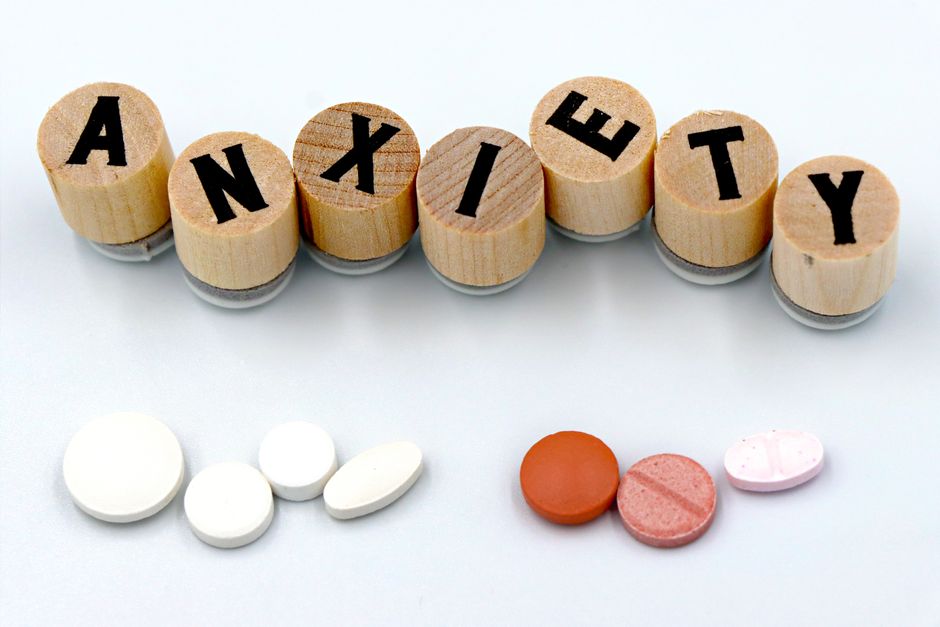
No, you cannot die from an anxiety attack. Anxiety attacks are intensely frightening, and many people are convinced they are having a heart attack or losing control, but the physical changes they cause are not life-threatening in themselves. The danger, when it exists, comes from what an attack might lead to — a fall, a car accident, or a delay in treating a genuine medical emergency that feels similar.
That distinction matters. The fear of dying during a panic attack is one of the most common symptoms of panic attacks. The fear itself is a symptom, not a warning of real physical danger.
Can You Die From an Anxiety Attack? The Facts
An anxiety attack cannot kill you. The body’s stress response during an attack is powerful but self-limiting. Heart rate rises, breathing speeds up, and adrenaline floods the system. These changes feel overwhelming, yet the heart and lungs are designed to handle them.
A healthy heart can sustain a rapid rate for a long period without damage. The sensations — chest tightness, a pounding heartbeat, shortness of breath, dizziness — come from the surge of adrenaline and from changes in breathing pattern, not from injury to the heart or lungs.
There is one important exception to keep in mind. A panic attack and a heart attack can feel very similar. Chest pain, shortness of breath, and a racing heart occur in both. If you have risk factors for heart disease, or if symptoms are new and severe, seek emergency care. Not because the anxiety attack is dangerous, but because a heart problem should never be assumed away.
Some research suggests that people with panic disorder may have a somewhat higher long-term risk of certain cardiovascular conditions. That finding is about patterns over years, not about any single attack. It does not mean an attack damages the heart.
What Actually Happens in Your Body During an Anxiety Attack
Understanding the physiology often reduces fear. An anxiety attack is the body’s alarm system firing when there is no real threat — or firing far out of proportion to the threat.
The sympathetic nervous system releases adrenaline and related hormones. This triggers a set of changes that evolved to help a person escape danger:
- Heart rate and blood pressure rise to move blood to the muscles.
- Breathing becomes faster and shallower to take in more oxygen.
- Muscles tense, sometimes causing trembling or shaking.
- Blood flow shifts away from the digestive system, which can cause nausea.
- Pupils widen and sweating increases.
These responses are normal and reversible. When the alarm subsides, the body returns to baseline. The parasympathetic nervous system — the “rest and digest” branch — brings heart rate and breathing back down.
One detail that surprises many people: the dizziness and tingling in the hands and around the mouth during an attack often come from breathing too quickly, not from a lack of oxygen. Fast breathing lowers carbon dioxide in the blood, which causes those sensations. This is uncomfortable but not dangerous, and it reverses on its own.
Why Anxiety Attacks Feel Like You Are Dying
The feeling of impending doom is a genuine feature of panic attacks, not a sign that something is truly wrong. It is listed among the recognized symptoms clinicians use to identify a panic attack.
The brain regions involved in detecting threat — particularly the amygdala and related circuits — become highly active. The body reads its own physical arousal as evidence of danger, which creates a feedback loop. A racing heart is interpreted as “something is wrong with my heart,” which increases fear, which raises heart rate further.
This loop is why panic attacks escalate so quickly, often peaking within minutes. It is also why understanding the mechanism helps. When a person learns that the sensations are the stress response and not a medical emergency, the loop loses some of its power.
For someone who has never experienced an attack, the intensity can be hard to imagine. Heart rate can climb well above resting levels, breathing can feel impossible to control, and the sense of unreality can be profound. None of this indicates that death is near.



Can a Panic Attack Cause a Heart Attack or Stroke?
A panic attack does not directly cause a heart attack or stroke. There is no established mechanism by which the transient stress of an attack damages the heart muscle or blocks a blood vessel.
The relationship between anxiety and cardiovascular health is more subtle and operates over time. Some studies suggest that people with long-standing panic disorder have a modestly higher rate of cardiovascular events later in life. Researchers continue to debate why. Possible contributors include chronic stress on the body, lifestyle factors, and the fact that some people with anxiety also have other risk factors.
It is important not to overstate this. The evidence points to a statistical association across large groups, not a cause-and-effect chain that turns a single attack into a cardiac event. The research here is mixed, and no study has shown that an anxiety attack itself triggers a heart attack in a healthy person.
What is well established is the opposite concern: because the symptoms overlap, a real heart attack is sometimes mistaken for anxiety, especially in women and older adults. That is a reason to take new or unusual chest symptoms seriously, not a reason to fear your anxiety.
What Are the Real Risks of Anxiety Attacks?
The risks of anxiety attacks are real but indirect. They come from behavior and circumstances, not from the attack’s effect on the body.
During an attack, a person may:
- Lose awareness of their surroundings and step into traffic or fall.
- Be unable to drive safely.
- Breathe in a way that causes fainting, which can lead to a fall injury.
- Avoid situations out of fear, leading to isolation and a smaller life.
There is also a serious long-term risk that is easy to overlook. People with panic disorder have higher rates of depression and suicidal thoughts. This is a well-documented association, and it is the most important reason to take panic disorder seriously and seek treatment.
If you are having thoughts of harming yourself, contact a crisis line or emergency services right away. In the US, you can call or text 988 to reach the Suicide and Crisis Lifeline.
The other real risk is delayed care. If you dismiss a genuine medical problem as “just anxiety,” you may lose valuable time. New, severe, or unusual symptoms deserve a medical evaluation.
How Are Anxiety Attacks Treated?
Anxiety attacks are treatable, and the treatments with the strongest evidence are well established.
Cognitive behavioral therapy (CBT) is considered a first-line treatment for panic disorder. It helps people identify the thoughts that fuel the fear cycle and test them against reality. A related approach, interoceptive exposure, involves deliberately and safely producing the physical sensations of an attack — such as spinning or breathing through a straw — so the brain learns they are not dangerous.
Medications may also be used. Certain antidepressants, including SSRIs, are commonly prescribed and have good evidence for reducing panic symptoms. Benzodiazepines can relieve acute anxiety quickly, but they carry a risk of dependence and are generally intended for short-term or limited use. Decisions about medication should be made with a clinician who knows your history.
Lifestyle factors can support treatment but are not a replacement for it. Regular sleep, limited caffeine, and steady physical activity may reduce the frequency of attacks for some people. Caffeine in particular can trigger or worsen panic symptoms in sensitive individuals.
Some clinicians recommend breathing techniques that slow the exhale, which can help activate the parasympathetic nervous system. The evidence for these techniques is encouraging but not as strong as the evidence for CBT. They are reasonable to try alongside professional care, not instead of it.
When Should You Seek Help?
Seek help if anxiety attacks are affecting your daily life, causing you to avoid things you used to do, or making you afraid to be alone. These are signs that treatment could make a meaningful difference.
Seek emergency care immediately if you have chest pain, especially with sweating, nausea, or pain spreading to the arm, jaw, or back. Do not assume it is anxiety. Get it checked.
Talk to a doctor if you are unsure whether your symptoms are anxiety or something else. A medical evaluation can rule out conditions that mimic panic attacks, including thyroid problems, heart rhythm issues, and some medication side effects. Ruling these out is part of good care, not a sign that your anxiety is not real.
Anxiety attacks are frightening and exhausting. They are also one of the most treatable mental health conditions. Most people who get appropriate treatment see real improvement.
Frequently Asked Questions
Can you die from an anxiety attack?
No, an anxiety attack cannot kill you. The physical changes it causes are intense but temporary and do not damage the heart or lungs.
Can a panic attack feel like a heart attack?
Yes, the two can feel nearly identical, with chest pain, shortness of breath, and a racing heart. If symptoms are new or severe, get emergency care rather than assuming it is anxiety.
What is the most effective treatment for anxiety attacks?
Cognitive behavioral therapy has the strongest evidence for panic disorder, and certain antidepressants are also effective. A clinician can help match treatment to your situation.
Should I go to the ER for an anxiety attack?
Go to the ER if you have chest pain, trouble breathing, or symptoms that could be a heart attack or another emergency. For a known anxiety attack without those signs, follow up with your regular doctor.
