
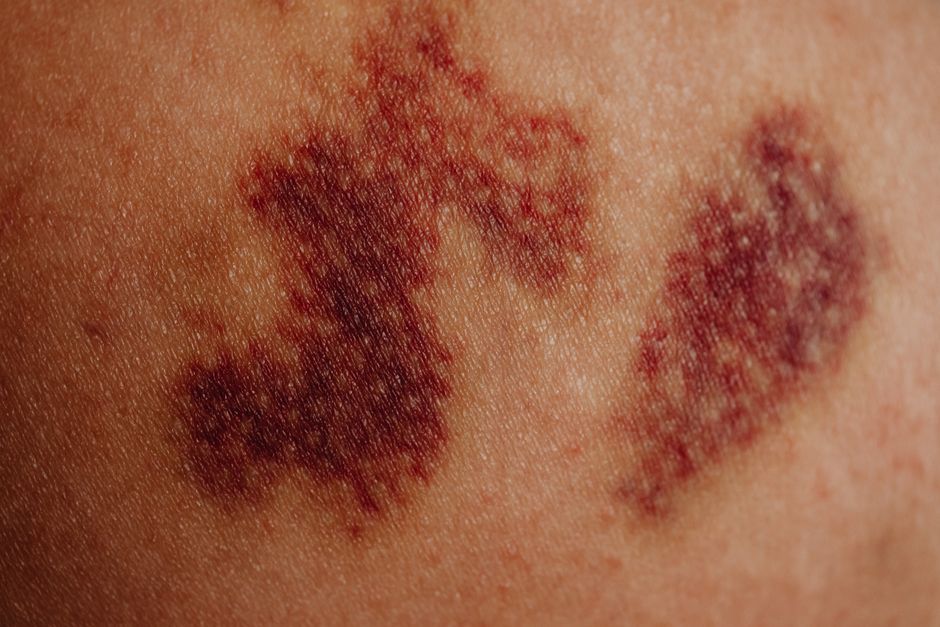
A muscle bruise happens when a direct blow damages muscle fibers and small blood vessels beneath the skin. Blood leaks into the tissue, which causes the familiar black-and-blue mark. Most muscle bruises are minor injuries that heal on their own with rest and home care, but some require medical attention. Knowing the difference matters because a deep bruise can lead to a serious condition called compartment syndrome.
What Is a Muscle Bruise?
A muscle bruise, also called a contusion, is an injury to muscle tissue caused by a blunt force. When something hard hits your muscle, the impact crushes small blood vessels called capillaries. Blood escapes into the surrounding tissue and clots. That pooled blood is what creates the discoloration you see on your skin.
Muscle bruises are different from bone bruises. A bone bruise involves the periosteum, the tough membrane covering your bones. Muscle bruises affect only the muscle tissue itself. Both can happen from the same fall or impact, but they heal differently and have different symptoms.
Your body clears the pooled blood over time. White blood cells break down the clot, and the pigments in the blood change color as they are processed. This is why a bruise shifts from red to purple to green to yellow before fading completely.
What Are the Symptoms of a Muscle Bruise?
The most obvious symptom is skin discoloration. But the bruise itself is only part of the picture. Muscle bruises also cause pain, swelling, and limited movement in the affected area.
Common symptoms include:
- Pain that worsens when you move the muscle or press on it
- Swelling around the injury site
- Tenderness to the touch
- Stiffness or difficulty using the muscle normally
- Discoloration that changes color over several days
Severe bruises can cause a hard lump under the skin. This is called a hematoma. A hematoma is a larger collection of blood that has clotted into a solid mass. Some hematomas are small and harmless. Others can be large enough to press on nerves or restrict blood flow.
If you cannot move the injured limb at all, or if the pain is severe enough that you cannot put weight on it, you may have a more serious injury like a muscle tear or fracture. These require medical evaluation.
How Are Muscle Bruises Diagnosed?
Most muscle bruises do not need a doctor visit. You can usually recognize one from the mechanism of injury and the appearance of the area. But some situations warrant a professional evaluation.
A doctor will examine the area and ask how the injury happened. They will check your range of motion and look for swelling or deformity. If they suspect a fracture, a deep hematoma, or damage to a major nerve or blood vessel, they may order imaging tests.
X-rays can rule out bone fractures. Ultrasound can show the size and depth of a hematoma. MRI provides the most detailed view of muscle damage and is used when the injury is severe or not healing as expected.
One condition doctors watch for is compartment syndrome. This happens when swelling inside a closed space in the body, like the lower leg or forearm, becomes so severe that it cuts off blood flow. Compartment syndrome is a medical emergency. Warning signs include severe pain that is out of proportion to the injury, numbness, tingling, and a pale or cold extremity.




What Is the Best Treatment for a Muscle Bruise?
For most muscle bruises, home treatment is sufficient. The standard approach is known as the RICE method: rest, ice, compression, and elevation.
- Rest: Avoid using the injured muscle for the first 24 to 48 hours. This gives the damaged tissue time to begin healing.
- Ice: Apply an ice pack wrapped in a thin towel for 15 to 20 minutes at a time, several times a day. Ice constricts blood vessels, which limits further bleeding into the tissue.
- Compression: Wrap the area with an elastic bandage to reduce swelling. Do not wrap it so tightly that it cuts off circulation. If the area becomes numb or turns blue, loosen the wrap.
- Elevation: Raise the injured limb above heart level when possible. Gravity helps fluid drain away from the injury site.
Over-the-counter pain relievers like acetaminophen can help with discomfort. Nonsteroidal anti-inflammatory drugs (NSAIDs) like ibuprofen can also reduce pain and swelling. Some research suggests that taking NSAIDs immediately after a muscle injury might slightly slow the healing process, but the evidence is not strong enough to change standard practice. If you have questions about which pain reliever is right for you, ask a pharmacist or doctor.
After the first two days, gentle movement can help. Start with light stretching and gradually increase activity as pain allows. Complete rest for too long can lead to stiffness and muscle weakness. The goal is to return to normal activity progressively, not all at once.
When Should You See a Doctor for a Muscle Bruise?
Most muscle bruises resolve within one to two weeks. But some injuries need medical care. Seek evaluation if you experience any of the following:
- Severe pain that does not improve with rest and ice
- Inability to move the joint or muscle
- Numbness or tingling beyond the injury site
- A bruise that continues to grow larger over time
- Swelling that gets worse after the first day
- Signs of infection like redness spreading from the bruise, warmth, or fever
- No improvement after two weeks
Bruising that happens without any known injury is different. If you notice bruises appearing spontaneously, or if you bruise very easily with minor bumps, mention it to your doctor. Frequent unexplained bruising can sometimes indicate a blood clotting disorder, a vitamin deficiency, or a medication side effect.
Blood thinners like warfarin, apixaban, or aspirin increase your risk of bruising and can make simple bruises much larger. If you take any of these medications and sustain a significant bruise, contact your healthcare provider. They may want to check your blood counts or adjust your medication.
Can You Prevent a Muscle Bruise?
You cannot always prevent bruises. Accidents happen. But some steps reduce your risk, especially during sports or physical activity.
Wearing appropriate protective gear is the most effective prevention. Padded equipment for contact sports, shin guards for soccer, and helmets for cycling all absorb impact before it reaches your muscles. For older adults, fall prevention is key. Removing trip hazards at home, improving lighting, and doing balance exercises can reduce the risk of falls that cause bruises.
Strengthening your muscles does not prevent bruising directly. A stronger muscle can absorb more force before tearing, but the blood vessels beneath it are still vulnerable to impact. There is no evidence that any supplement or dietary change makes you less likely to bruise.
Some research suggests that certain nutrients play a role in healing after a bruise occurs. Vitamin C is involved in collagen production, which is needed to repair damaged tissue. Vitamin K is essential for normal blood clotting. But taking extra vitamins does not speed up bruise healing if you are already getting enough from your diet. No clinical evidence confirms that high-dose supplements reduce bruising or accelerate recovery.
How Long Does a Muscle Bruise Take to Heal?
Healing time depends on the severity of the bruise. A mild bruise may fade within a few days. A moderate bruise typically takes one to two weeks. A severe bruise with a large hematoma can take several weeks or even months to fully resolve.
The color changes you see are a normal part of healing. The red or purple color in the first few days comes from fresh blood. As the body breaks down hemoglobin, the bruise turns green, then yellow, then fades completely. This process cannot be sped up significantly.
Returning to full activity too soon can re-injure the muscle. A good rule of thumb is to wait until you can move the muscle through its full range of motion without pain. Even then, start with lighter activity and build up gradually. If pain returns, back off and give the muscle more time.
Frequently Asked Questions
Can you bruise a muscle without hitting anything?
Yes, but it is uncommon. Spontaneous bruising without trauma can occur with certain blood disorders, vitamin deficiencies, or as a side effect of blood-thinning medications.
How can you tell if a bruise is just a bruise or something worse?
Severe pain, inability to move the limb, numbness, or a rapidly expanding bruise suggest a more serious injury. If any of these occur, seek medical evaluation.
Should you massage a muscle bruise?
No. Massaging a fresh bruise can break down the clot and cause more bleeding into the tissue. Gentle massage may be helpful after the first few days, but only if it does not cause pain.
Does ice help a muscle bruise after 48 hours?
Ice is most effective in the first two days after injury. After that, heat may help relax stiff muscles and improve blood flow to the area, but ice is not harmful if swelling is still present.
