
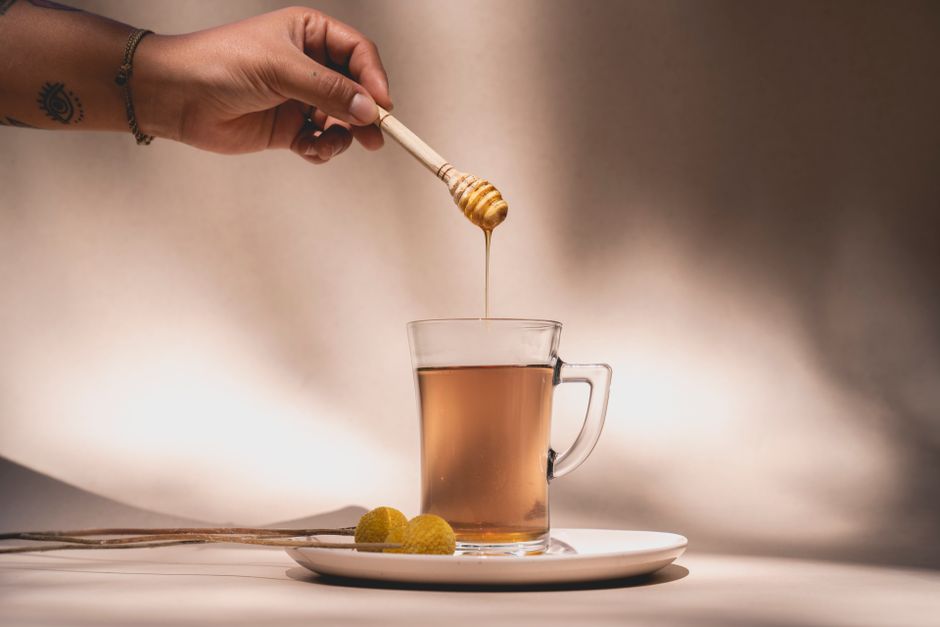
Yes, a woman can take honey packs. There is no biological reason a woman cannot consume a honey-based supplement, and honey itself is a familiar food that most adults can eat safely. The real question is not whether a woman can take them, but whether they do what the labels promise — and on that point, the evidence is far weaker than the marketing suggests.
Honey packs are usually small sachets of honey, sometimes blended with herbs, royal jelly, or other ingredients. They are sold online and in some health stores, often aimed at women, with claims about energy, fertility, hormones, or general vitality. Most of those claims are not backed by solid human research. Some ingredients raise real safety questions, especially for women who are pregnant, breastfeeding, or taking medication.
Can Woman Take Honey Packs?
Yes. A woman can take honey packs the same way she can eat honey from a jar. Honey is a sugar-rich food that has been part of human diets for thousands of years, and for most healthy adults it is safe in normal amounts.
The distinction that matters is between honey as a food and honey packs as a supplement. Food honey is well understood. Honey packs marketed for specific health outcomes are a different category, and that category is lightly regulated. In the United States, dietary supplements do not go through the same pre-market approval process as prescription drugs. That means a product can be sold before anyone has proven it works or even confirmed exactly what is inside it.
So the honest answer has two parts. Can a woman take them? Yes. Should she expect them to change her hormones, boost fertility, or fix a health problem? Not based on current evidence.
One more point that often gets lost. Honey is not a low-sugar food. It is roughly 80 percent sugar by weight, mostly glucose and fructose. A honey pack is not a calorie-free wellness shot. It is a concentrated sugar dose with a health halo around it.
What Is Actually Inside a Honey Pack?
There is no standard recipe. Products sold under the honey pack name vary widely, and the label is often the only guide you have.
Common ingredients include:
- Plain honey, or honey mixed with water
- Royal jelly, a substance bees produce to feed queen larvae
- Bee pollen
- Propolis, a resin-like material bees make from plant sources
- Herbal extracts such as ginseng, maca, or ashwagandha
- Vitamins, minerals, or amino acids
Each of these has a different evidence base, and lumping them together under one product name hides that. Royal jelly is a good example. It contains proteins and fatty acids that have been studied in cells and animals, and it has been examined in some small human studies. But the human evidence is limited, and no large, well-controlled trial has established that royal jelly improves fertility, hormone levels, or energy in women.
Herbal ingredients bring their own problems. Ginseng and ashwagandha, for instance, can interact with medications and are not recommended for everyone. A product that lists six herbs on the label rarely tells you how much of each is inside. That makes it hard to know what dose you are actually getting, or whether the amount is anywhere near what was used in any study.
Do Honey Packs Work for Fertility or Hormones?
No clinical evidence currently confirms that honey packs improve fertility or balance hormones in women. This is the claim most heavily pushed in advertising, and it is the claim with the least support.
Some of the confusion comes from a real biological fact. Honey contains small amounts of phytoestrogens, plant compounds that can weakly mimic estrogen in the body. But the amounts are tiny, and eating honey does not meaningfully change a woman’s hormone levels in any way that has been demonstrated to affect fertility.
Fertility is complex. It depends on ovulation, egg quality, hormone signaling, the health of the reproductive tract, and many other factors. A sugar-based supplement is not a plausible lever for most of these. If a woman is struggling to conceive, the useful steps are different: seeing a doctor, getting proper testing, and addressing any diagnosed cause.
There is also a marketing pattern worth naming. Products aimed at women’s hormones often borrow the language of real medicine — “balance,” “support,” “regulate” — without making a claim specific enough to be tested or challenged. That is not an accident. It lets a product sound medical while avoiding the burden of proof.


Are Honey Packs Safe for Women?
For most healthy adult women, honey itself is safe in normal food amounts. The risks come from the other ingredients, the dose, and the person taking them.
Key safety points:
- Pregnancy and breastfeeding: Honey is generally considered safe for pregnant and breastfeeding women, but honey packs with added herbs or royal jelly are a different matter. Herbal ingredients and royal jelly have not been established as safe during pregnancy, and some may carry risk. Avoid these products unless a clinician who knows your situation says otherwise.
- Infants: Honey should never be given to infants under 12 months old because of the risk of infant botulism. This is a well-established rule and applies to all honey products.
- Medication interactions: Herbs like ginseng and ashwagandha can interact with blood thinners, blood pressure drugs, thyroid medication, and others. If you take any prescription medication, check with a pharmacist before starting a honey pack.
- Blood sugar: Honey raises blood glucose. Women with diabetes or prediabetes should treat a honey pack as a sugar source and account for it.
- Allergy: Bee pollen and propolis can trigger allergic reactions in people sensitive to bee products. Reactions can occasionally be serious.
- Contamination and mislabeling: Because supplements are lightly regulated, some products have been found to contain ingredients not listed on the label. This is a real, documented problem in the supplement industry.
No clinical guidelines currently exist for honey pack use in pregnancy, breastfeeding, or for children. That absence is itself the point. When there is no guidance, there is no established safe dose.
What Does the Evidence Actually Show?
Here is the honest summary. Honey is a real food with a modest nutritional profile and some antimicrobial properties that have been studied in wound care, not in supplements. Beyond that, the specific health claims attached to honey packs are not well supported.
What the evidence does show:
- Honey is a source of sugar and calories, not a meaningful source of vitamins or minerals.
- Some small studies have looked at royal jelly and other bee products, but results are mixed and sample sizes are small. Small studies are prone to overstating effects.
- No large human trial has confirmed that honey packs improve fertility, hormone balance, or energy in women.
- Many products combine several ingredients at unknown doses, making it impossible to attribute any effect — good or bad — to a single component.
What the evidence does not show is equally important. There is no proof that honey packs are harmful in healthy women at typical doses, and no proof that they help. That middle ground is uncomfortable for marketers, but it is where the science sits.
How to Think About Honey Packs Honestly
If you enjoy honey, eat honey. It is a pleasant food. The problem starts when a spoonful of sugar gets packaged as a wellness solution and priced accordingly.
A few practical ways to judge any honey pack before buying:
- Read the full ingredient list, not the front of the package.
- Look for amounts. If the label does not list how much of each herb is included, you cannot know what you are taking.
- Be skeptical of claims about hormones, fertility, or “balance.” These are hard to measure, which makes them easy to claim.
- Check for interactions if you take any medication.
- Skip them entirely if you are pregnant, breastfeeding, or giving anything to a child under 12 months.
If you have a specific health concern — fatigue, irregular periods, trouble conceiving — a honey pack is not the place to start. A doctor can run tests and find the actual cause. A supplement cannot do that, and no supplement is a substitute for a diagnosis.
Frequently Asked Questions
Can a woman take honey packs daily?
A healthy adult woman can eat honey daily in normal food amounts, but daily use of a honey pack with added herbs or royal jelly is not established as safe because there is no standard dose or long-term safety data. Treat it as a sugar source and check the label for ingredients that interact with medications.
Are honey packs safe during pregnancy?
Plain honey is generally considered safe during pregnancy, but honey packs containing royal jelly or herbal extracts have not been established as safe and should be avoided unless a clinician approves. No clinical guidelines exist for honey pack use in pregnancy.
Do honey packs help with fertility?
No clinical evidence currently confirms that honey packs improve fertility in women. The phytoestrogen content of honey is very small and has not been shown to change hormone levels in a way that affects conception.
Can honey packs cause side effects?
Possible side effects come mainly from added ingredients and include allergic reactions to bee pollen or propolis, blood sugar spikes, and interactions with medications. Plain honey in normal amounts is generally well tolerated by healthy adults.
