
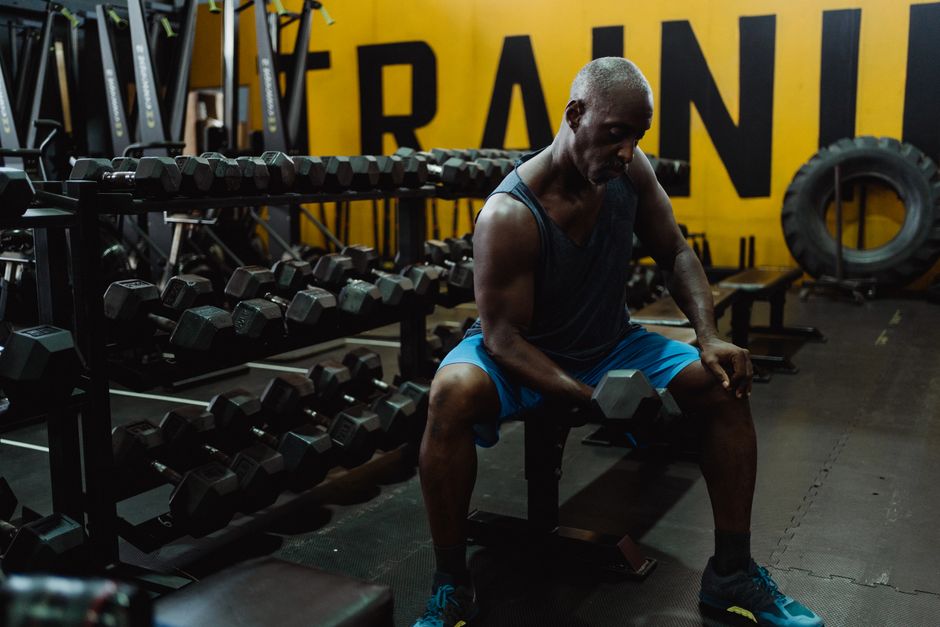
Can lifting weights stunt a child’s growth? The short answer is no. The idea that strength training damages growth plates and stunts height is one of the most persistent myths in youth fitness. Growth plate injuries can happen in young athletes, but they are tied to accidents, poor technique, and heavy loading without supervision — not to resistance training itself. Done appropriately, strength training is considered safe and beneficial for children and teens.
That said, “safe when done appropriately” carries real weight. The details of what appropriate means have changed over the past two decades, and they matter for any parent whose kid wants to start lifting.
Where Did the Idea That Weights Stunt Growth Come From?
The fear traces back to concerns about the growth plates — the areas of developing cartilage near the ends of long bones where new bone forms. These plates are the last part of a bone to harden, which is why they are more vulnerable to injury than mature bone. If a growth plate is damaged badly enough, that bone can stop growing or grow unevenly.
That part is real. What is not supported is the leap that resistance training causes this damage in normal circumstances. Growth plate injuries in young people are well documented in sport, but they typically involve acute trauma — a fall, a collision, a twist — or repetitive overload from high-intensity training without proper progression. The injury comes from the accident or the overload, not from the act of lifting something heavy in a controlled way.
The myth likely stuck because it sounds biologically plausible. Growth plates are fragile. Weights are heavy. Put the two together and the logic feels obvious. But plausible-sounding mechanisms are not the same as demonstrated harm, and the research on youth strength training has not shown that it stunts growth.
Can Weights Stunt Growth? What the Evidence Actually Shows
Position statements from major sports medicine and pediatric organizations have supported youth resistance training for years, provided it is properly designed and supervised. The consistent finding across this body of work is that strength training does not harm linear growth or final adult height.
What the evidence does show is that children and adolescents respond to resistance training with measurable gains in strength. Younger children tend to gain strength largely through improved coordination and nervous system signaling rather than muscle bulk, because they have not yet gone through puberty and their circulating hormone levels are different. After puberty, muscle size increases become more pronounced.
It is worth being precise here. The claim “weights do not stunt growth” is well supported. The claim “weights make kids taller” is not — strength training does not add height either. It affects strength, coordination, and bone and muscle development, not the genetic ceiling on how tall a child will grow.
What Actually Causes Growth Plate Injuries in Young Athletes?
Growth plate injuries are a genuine concern in youth sports, and understanding the real causes helps put the risk in perspective.
- Acute trauma — falls, collisions, and awkward landings that force a joint beyond its normal range
- Repetitive overuse — the same motion performed at high intensity or volume without adequate rest
- Training errors — jumping into heavy loads or complex lifts before building a base
- Poor supervision — no one correcting technique or watching for early signs of trouble
- Ignoring pain — continuing to train through discomfort that signals something is wrong
Notice what is not on that list: lifting weights under proper guidance. The risk factors are about how training is done, not whether it is done. A young athlete can get a growth plate injury playing soccer or basketball just as easily as in a weight room, because the mechanism is the same — sudden force or repeated strain that outpaces what the tissue can handle.
One clarification that often gets lost: growth plate injuries are not the same as the normal aches that come with growing. Growing pains are a separate, benign phenomenon. A growth plate injury usually involves localized pain, swelling, or difficulty using the affected limb after a specific event or period of overuse. That distinction matters for parents trying to decide whether something needs medical attention.
-
 EyeFortin Reviews 2026: Clear Vision Or A marketing Scam?
-
Mounjaboost Reviews & Complaints: Does Drops Work for Weight Loss?
-
Yu Sleep Weight Loss Supplement Reviews. Critical March 2026 Update.
-
Neuro Energizer Review 2026. Legit Brain Tool or Just Hype?
-
Acupuncture for Weight Loss: Does It Really Work?




How Should Kids and Teens Train With Weights Safely?
The consensus across sports medicine is that youth resistance training should be age-appropriate, progressive, and supervised. That does not mean a child needs a personal trainer in a commercial gym. It means someone knowledgeable is watching form, adjusting load, and making sure the program matches the child’s stage of development.
General principles that appear consistently in guidance for youth training include:
- Start with bodyweight movements and light resistance to build technique before adding load
- Focus on proper form over how much weight is on the bar
- Increase difficulty gradually rather than jumping to heavy lifts
- Include rest days so tissue can recover
- Stop if there is pain that is not normal muscle fatigue
- Prioritize variety rather than specializing in one lift or one sport year-round
Specific load recommendations and age cutoffs vary across sources, and there is no single universal threshold that all organizations agree on. Some guidance suggests that well-supervised programs can begin in childhood, while other sources focus on readiness and maturity rather than a fixed age. Because the recommendations differ, the more reliable approach is to match the program to the individual child and to work with a qualified coach or clinician rather than following a number pulled from the internet.
If a child has an underlying medical condition, a prior injury, or is still growing rapidly, that is a reason to get individualized guidance rather than to avoid strength training altogether.
Are There Benefits to Youth Strength Training?
Yes, and they are reasonably well established. Resistance training in young people has been associated with improved muscular strength and power, better motor skills, and improved bone density when combined with appropriate nutrition and activity. It can also support injury reduction in sport, though the strength of that benefit varies by sport and training context.
There is a broader point that often gets overlooked. Physical activity in childhood and adolescence tracks into adulthood. A kid who learns to move well and feel capable in a gym is more likely to stay active later, and that long-term pattern matters more for health than any single training session.
The benefits are not a reason to push intensity. They are a reason to make training consistent, well-supervised, and enjoyable enough that a young person sticks with it.
What About Very Young Children and Heavy Lifting?
For young children, the focus should be on movement quality, play, and general physical literacy rather than maximal strength. Programs built around bodyweight control, balance, and coordination are appropriate. Programs built around lifting near-maximal loads are not, and there is no clinical basis for pushing heavy loading in this age group.
For adolescents who have gone through puberty and want to train for sport, the picture shifts. With proper coaching, progressive loading becomes more appropriate, and the risks are largely manageable through good programming. The key variable is not age alone but training maturity — how well the young person moves, follows instructions, and recovers.
No universal clinical guidelines exist that set a single age at which every child can safely begin lifting heavy weights. Readiness is individual, which is why the guidance consistently points back to qualified supervision rather than a fixed number.
The Bottom Line for Parents
Weights do not stunt growth. The growth plate concern is real but is tied to injury and overuse, not to supervised resistance training. The bigger risk to a young athlete is not lifting — it is lifting badly, lifting too much too soon, or training through pain that should have been checked.
If your child wants to start strength training, the useful questions are not “will this stunt their growth” but “who is supervising,” “is the program matched to their development,” and “are they recovering properly.” Those are the factors that actually shape whether training helps or hurts.
Frequently Asked Questions
Can weights stunt growth in teenagers?
No. Supervised resistance training has not been shown to reduce final adult height in teenagers. Growth plate injuries are linked to trauma and overuse, not to controlled strength training.
At what age can a child start lifting weights?
There is no single agreed-upon age, and guidance varies across organizations. Readiness and supervision matter more than a fixed number, so a qualified coach or clinician should assess the individual child.
Do squats and deadlifts stunt growth?
No evidence shows that squats or deadlifts stunt growth when performed with proper technique and appropriate load. These lifts do carry injury risk if done with poor form or excessive weight, so supervision matters.
What are the signs of a growth plate injury?
Localized pain, swelling, or difficulty using the affected limb after a fall, collision, or period of overuse can indicate a growth plate injury. Any of these symptoms should be evaluated by a medical professional.
