
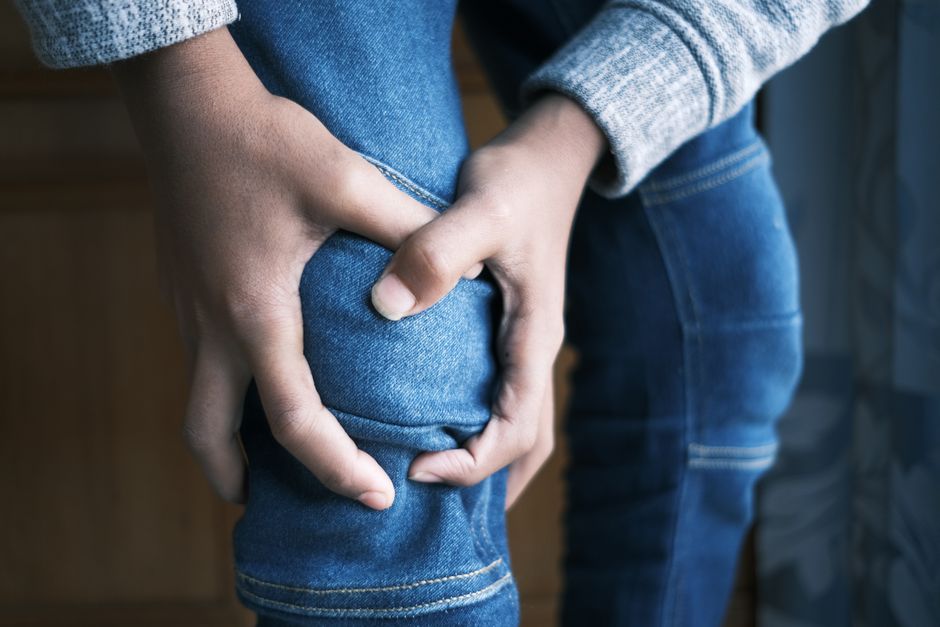
Joint pain and swelling often show up together, so it makes sense to ask whether extra fluid is the cause. The short answer: fluid buildup inside a joint is usually a symptom of joint disease, not the root cause of it. Water retention elsewhere in the body, such as swollen ankles or puffy hands, is a different problem and rarely produces pain inside a joint by itself.
Can Water Retention Cause Joint Pain?
Water retention does not typically cause joint pain on its own. What it can do is make an existing joint problem feel worse, because extra fluid inside a joint capsule stretches tissue that is already inflamed. The fluid is a result of the disease process, not the trigger.
It helps to separate two things people often blend together. Edema is fluid trapped in the soft tissues — the skin, the space under the skin, the legs, the ankles. Joint effusion is fluid inside the joint capsule itself. They look similar from the outside but come from different causes and behave differently.
Edema from heart, kidney, or liver problems tends to be painless. You press a finger into a swollen ankle and it leaves a dent. Joint effusion from inflammation tends to be warm, stiff, and painful when you move. If your joints hurt, the fluid is more likely a sign of inflammation than the cause of it.
What Actually Causes Fluid Around Joints?
When a joint is injured or inflamed, the lining of the joint capsule produces extra synovial fluid. This is a normal repair response. The problem is that in conditions like osteoarthritis, rheumatoid arthritis, gout, or after an injury, the response keeps going and the fluid builds up faster than the body clears it.
Common triggers include:
- Osteoarthritis, where cartilage breakdown irritates the joint lining
- Rheumatoid arthritis and other inflammatory joint diseases
- Gout and pseudogout, caused by crystals forming in the joint
- Joint injury, such as a torn ligament or meniscus
- Infection inside the joint, which is a medical emergency
- Overuse from repetitive motion
In each case, the fluid follows the problem. It does not start it.
One detail worth knowing: the synovial fluid in an inflamed joint is not the same as the fluid in swollen ankles. Synovial fluid is thick, contained, and produced locally by the joint lining. Edema fluid is watery and spreads through soft tissue. Treating one will not fix the other.
How Do You Tell Joint Swelling From General Water Retention?
Location and feel are the best clues. Joint effusion is confined to one or a few joints. It feels firm, the joint looks puffy around the bones, and moving it hurts. General edema is usually symmetric — both ankles, both feet, sometimes the whole leg — and pressing it leaves a temporary dent.
Other differences:
- Joint effusion: often warm to the touch, stiff in the morning, painful with movement
- General edema: usually cool, not painful, worse at the end of the day, better after elevating the legs
- Joint effusion: comes with a known joint condition or injury
- General edema: comes with heart, kidney, liver, vein, or medication issues
If you have swelling in both legs plus shortness of breath, chest discomfort, or sudden weight gain, that is a different situation and needs medical attention quickly. It points to a fluid problem in the body, not a joint problem.





When Is Joint Swelling a Sign of Something Serious?
A single hot, swollen, very painful joint that came on fast needs urgent medical care. This pattern can mean a joint infection, which can damage the joint within days if untreated, or a severe gout attack. Both need a doctor, not home remedies.
Warning signs to take seriously:
- One joint that is red, hot, and extremely painful
- Fever along with a swollen joint
- Swelling after a serious injury, or a joint you cannot bear weight on
- Swelling that keeps returning without a clear cause
- Swelling in multiple joints along with fatigue, rash, or morning stiffness lasting more than an hour
These patterns suggest the fluid is a signal of an underlying condition that needs diagnosis. The swelling itself is not the disease — but it is telling you something is wrong.
Does Reducing Water Retention Help Joint Pain?
Not usually, because the fluid inside a joint is not the same as general body water. Cutting salt, drinking more water, or taking a diuretic will not drain an inflamed joint. Diuretics move fluid out of soft tissue, not out of a joint capsule.
What actually helps depends on the cause:
- Osteoarthritis: movement, physical therapy, weight management where relevant, and pain relief guided by a clinician
- Inflammatory arthritis: disease-modifying medication prescribed by a rheumatologist
- Gout: urate-lowering medication and diet changes, managed by a doctor
- Injury: rest, ice, compression, and elevation in the short term, then guided rehab
- Infection: urgent medical treatment, usually antibiotics or drainage
Some clinicians recommend ice and elevation for a swollen joint in the first day or two after an injury. That approach is widely used and reasonable, though the evidence for how much it changes long-term outcomes is not strong. It mainly helps with comfort and short-term swelling.
What About Supplements for Joint Swelling?
Most joint supplements have weak evidence. Glucosamine and chondroitin have been studied for years, and results are mixed — some trials show modest benefit, others show none. Turmeric and omega-3 supplements have some supporting research for inflammation, but the studies are not strong enough to call them proven treatments.
No supplement has been shown to drain fluid from a swollen joint or reverse joint disease. If a product claims to “flush” water retention and cure joint pain at the same time, that claim is not supported by clinical evidence.
If you want to try a supplement, talk to your doctor first — especially if you take blood thinners, blood pressure medication, or have kidney or liver conditions. Some supplements interact with prescription drugs.
When Should You See a Doctor?
See a doctor if joint swelling lasts more than a few days, keeps coming back, or comes with pain that limits your daily activity. Also see a doctor if you have swelling in both legs, sudden weight gain, or swelling that does not improve with rest and elevation — these point to a body-wide fluid issue that needs its own workup.
The goal in most cases is management, not cure. Joint conditions like osteoarthritis are long-term, and the realistic aim is to reduce pain, keep the joint moving, and slow progression where possible. That is not a discouraging answer — it is an honest one, and it is where most effective treatment actually lives.
Getting the diagnosis right matters more than treating the swelling. The fluid is a clue. Following that clue to the real cause is what changes how you feel.
Frequently Asked Questions
Can water retention cause joint pain?
Water retention in the soft tissues does not usually cause pain inside a joint. Fluid inside a joint is typically a sign of inflammation or injury, not the cause of it.
What does it mean when joints swell but there is no injury?
Swelling without injury often points to an inflammatory condition like arthritis or gout, or to osteoarthritis. A doctor can tell the difference with an exam and, if needed, a fluid sample.
Does drinking more water help swollen joints?
No. Drinking water supports general health but does not drain fluid from a joint. Joint fluid is produced locally by the joint lining in response to inflammation.
Should I take a diuretic for joint swelling?
No, unless a doctor prescribes one for a separate condition like heart or kidney-related edema. Diuretics do not remove fluid from inside a joint and are not a treatment for joint swelling.
