
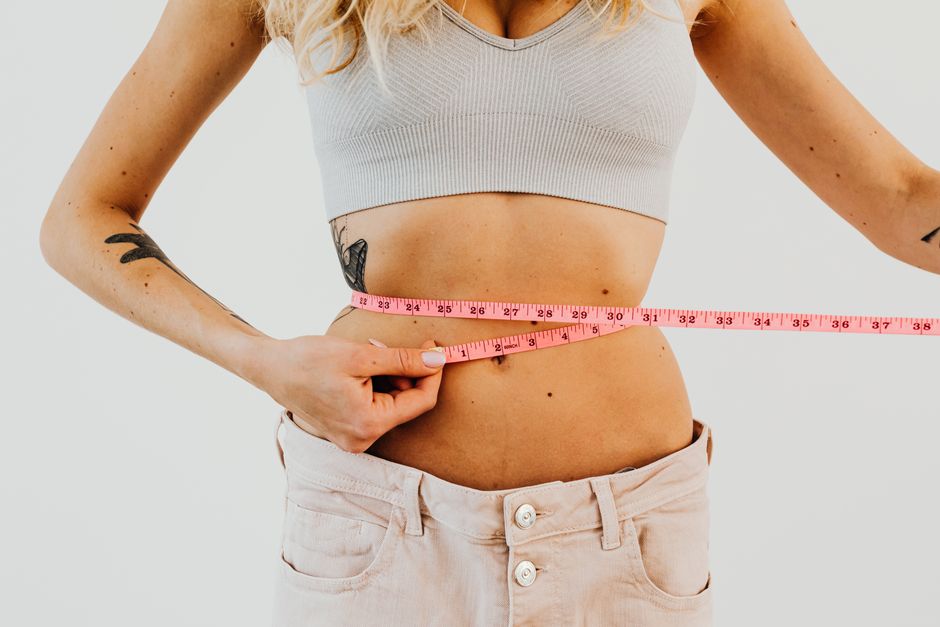
Waist trainers do not reduce belly fat. They squeeze the midsection while you wear them, and the effect disappears when you take them off. Fat loss requires a calorie deficit, and no garment can create one. What waist trainers can do is change how your midsection looks for a few hours, and that is a very different claim from fat loss.
The confusion comes from two things happening at once. A waist trainer compresses soft tissue and can shift fluid temporarily, so the mirror shows a narrower shape. Meanwhile, the scale might drop a little from water loss. Neither of these is fat leaving your body. Understanding why matters, because the marketing around these products leans hard on that confusion.
What Does a Waist Trainer Actually Do to Your Body?
A waist trainer is a tight garment, usually with rigid boning or stiff panels, that compresses the abdomen and lower ribs. The compression is real and measurable. It pushes on skin, fat tissue, muscle, and the abdominal organs beneath them.
While you wear it, the waist circumference reading can be smaller. That is simple physics. You are pressing tissue inward. The effect lasts as long as the pressure does, plus a short period afterward while tissue and fluid settle back.
Some people notice more sweat under the garment. Sweat is water, not fat. Any weight lost through sweating is replaced when you drink and eat normally. This is one of the most persistent misunderstandings in the entire category, and it is worth stating plainly: sweating more in an area does not burn fat in that area.
Spot reduction, the idea that you can target fat loss in one body region, has been studied for decades. The consistent finding is that you cannot choose where fat comes off. Where you lose fat first is largely determined by genetics, sex, and hormones, not by what you wrap around your waist.
Why Can’t a Waist Trainer Reduce Belly Fat?
Fat is stored energy, and it leaves the body through a specific chemical process. Fat cells release stored fat as the body needs fuel, and the breakdown products exit mainly as carbon dioxide through your breath and as water. No external pressure changes that process.
For fat to be released from storage, your body needs to be in a calorie deficit, meaning you take in less energy than you use. A tight band around your middle does not increase energy use in any meaningful way. It might make you slightly uncomfortable, but discomfort is not a calorie burn.
There is also a practical problem. A waist trainer cannot compress fat away permanently because fat tissue is not a solid that can be molded. It is living tissue that responds to energy balance and hormones, not to pressure. Think about how a tight sock leaves a mark on your ankle. The mark fades. The tissue returns to its shape.
Some waist trainer marketing claims the garment “trains” muscles to hold the waist in. There is no good evidence for this. If anything, relying on external support for long periods could let your own muscles do less work, though the research on this specific question in waist trainer users is thin. The honest position is that the muscle-training claim is unproven.
Is There Any Real Benefit to Wearing One?
There are a few honest, limited uses. Some people find the compression helpful for posture awareness while sitting, though a properly fitted support garment or a posture-focused exercise routine would serve the same purpose. Some people wear one briefly for a specific look under clothing.
Beyond appearance and short-term support, the benefits are mostly unproven. Claims about improved core strength, better workouts, or enhanced results from exercise have not been confirmed in controlled studies. Wearing a tight garment during exercise can actually make breathing harder, which is the opposite of what you want during physical activity.
One clarification worth making: waist trainers and postpartum abdominal binders are not the same product, even though they get marketed similarly. Abdominal binders are sometimes used in the days after childbirth or surgery for comfort and support, and their use is a clinical decision made with a doctor. They are not a fat loss tool, and they are not a substitute for medical guidance after pregnancy or surgery.
What Are the Risks of Wearing a Waist Trainer?
The risks are mostly about compression and restriction, and they are not trivial. A garment tight enough to visibly change your shape is tight enough to affect how your body works.
- Breathing: Tight compression around the lower ribs can make it harder to take a full breath, especially during activity.
- Digestion: Pressure on the stomach and intestines can worsen heartburn or reflux and cause discomfort after meals.
- Skin: Constant friction and trapped moisture raise the risk of irritation, chafing, and fungal skin infections.
- Nerve pressure: Prolonged compression can press on nerves in the abdominal wall or rib area, causing tingling or numbness.
- Blood flow: Very tight garments can restrict circulation, and this is a particular concern for anyone with circulation problems.
People with certain health conditions should be especially cautious. That includes anyone with reflux, breathing conditions, circulation problems, or a history of abdominal surgery. If you are pregnant or recently gave birth, talk to your doctor before wearing any tight abdominal garment. No clinical guidelines support waist trainer use during pregnancy, and the risks of compression during that time are a genuine concern.
Fainting and dizziness have been reported with very tight garments, particularly in heat or during exercise. If you feel lightheaded while wearing one, take it off.
How Do You Actually Reduce Belly Fat?
Belly fat responds to the same things all body fat responds to. The reliable levers are a sustained calorie deficit, regular physical activity, adequate sleep, and managing stress. None of these are exciting, and none of them work overnight.
Where fat sits on your body is partly genetic and partly hormonal, and this is more true for belly fat than many people realize. Fat stored deep in the abdomen, called visceral fat, is linked to health risks, and it tends to respond to overall fat loss rather than to any targeted approach. You cannot selectively shrink it with a garment.
Strength training helps preserve muscle while you lose fat, which matters for how your body looks and functions as you get older. Aerobic activity supports energy balance and heart health. Neither one needs a waist trainer, and adding one does not improve the results.
If you have tried many approaches without success, that is common and not a personal failing. A doctor or registered dietitian can help you look at what is realistic for your body, your health history, and your life. That conversation is more useful than another compression garment.
Waist Trainer vs. Other Approaches: What the Evidence Shows
It helps to see the options side by side, because the marketing for waist trainers borrows credibility from methods that actually work.
| Approach | Effect on belly fat | Evidence strength |
|---|---|---|
| Waist trainer | None; temporary shape change only | No evidence of fat loss |
| Calorie deficit | Reduces total body fat, including belly fat | Strong, well established |
| Regular aerobic exercise | Supports fat loss and heart health | Strong, well established |
| Strength training | Preserves muscle during fat loss | Strong, well established |
| Adequate sleep | Supports appetite regulation and energy balance | Good supporting evidence |
| Spot-reduction exercises | No targeted fat loss in the trained area | Evidence does not support |
The pattern is clear. The methods with real evidence are the unglamorous ones. The methods sold with dramatic before-and-after photos tend to rely on temporary effects, posing, and lighting.
Bottom Line on Waist Trainers and Belly Fat
A waist trainer can change how your midsection looks while you wear it. It cannot reduce belly fat, and no amount of wearing one will change that. The temporary compression effect and the sweat it produces are not fat loss, and the marketing that suggests otherwise is not supported by evidence.
If you like how one looks under clothing for a specific occasion, that is your call, with attention to fit and comfort. If your goal is fat loss, the waist trainer is not part of the solution. The things that work are the things that always work: what you eat, how you move, how you sleep, and how you manage stress over time. Those are slower and less photogenic. They also actually change your body.
Frequently Asked Questions
Can a waist trainer reduce belly fat?
No. A waist trainer compresses tissue and can change your shape temporarily, but it does not cause fat loss. Fat loss requires a calorie deficit, which a garment cannot create.
How long does it take for a waist trainer to work?
There is no timeline because waist trainers do not reduce fat at any duration. Any slimmer look fades shortly after you remove the garment.
Do waist trainers burn fat through sweating?
No. Sweating is water loss, not fat loss, and it is replaced when you rehydrate. Sweating in one area does not burn fat in that area.
Are waist trainers safe to wear every day?
Daily wear raises the risk of skin irritation, breathing restriction, reflux, and nerve pressure, so it is not recommended without medical advice. Talk to a doctor first if you are pregnant, recently gave birth, or have a circulation or breathing condition.
