
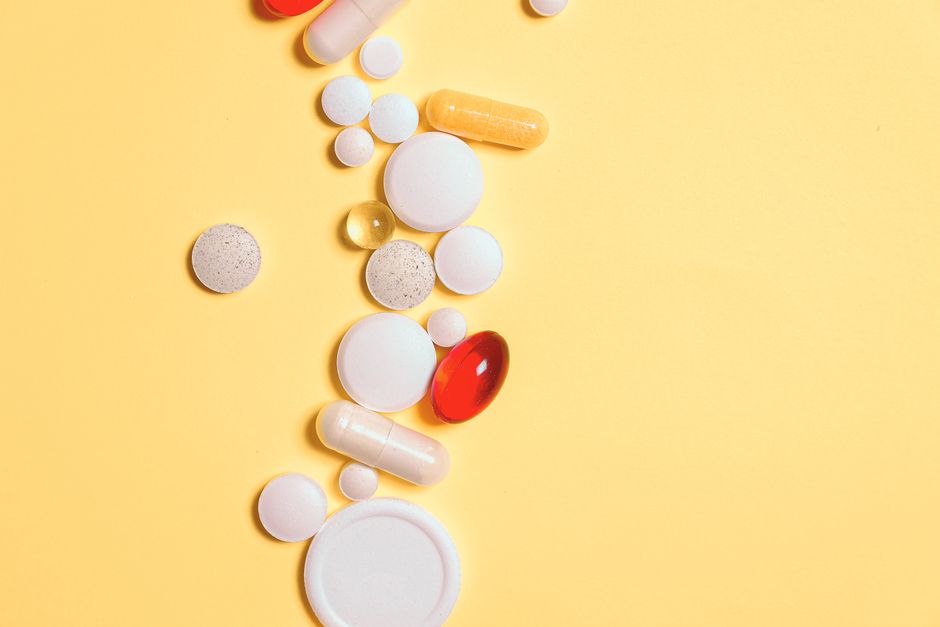
Yes, vitamin D pills can often be crushed, but it depends on the specific product. Standard tablets and softgel capsules can usually be opened or crushed, while extended-release tablets, enteric-coated tablets, and certain combination products should not be crushed. The right answer depends on the form you have, so check the label or ask a pharmacist before you alter any supplement.
Can Vitamin D Pills Be Crushed?
Most plain vitamin D tablets — the kind sold as cholecalciferol (D3) or ergocalciferol (D2) — can be crushed and mixed into food or liquid. Softgel capsules can typically be punctured and the contents squeezed out.
The exceptions matter. Do not crush a tablet labeled “extended release,” “sustained release,” “delayed release,” or “enteric coated.” These coatings control where and how fast the vitamin is absorbed. Breaking them can change absorption and defeat the purpose of the formulation.
Also check for combination products. Many vitamin D supplements also contain calcium, magnesium, or vitamin K. If the tablet is a combination product with a modified-release design, the same caution applies.
One point people often miss: crushing changes how fast vitamin D enters the body but not necessarily how much is absorbed overall. Vitamin D is fat-soluble, so it is absorbed along with dietary fat in the small intestine. Crushing a standard tablet may speed up dissolution, but the total amount absorbed over time is generally similar. The bigger practical concern is taste and texture, especially in softgels, which contain an oil-based fill.
Which Forms of Vitamin D Can You Crush or Open?
Standard compressed tablets and softgel capsules are the two forms most commonly safe to crush or open. Here is how they compare.
| Form | Can it be crushed or opened? | Notes |
|---|---|---|
| Standard tablet (D2 or D3) | Usually yes | Crush and mix with food or water |
| Softgel capsule | Usually yes | Puncture and squeeze contents into food |
| Extended-release tablet | No | Crushing changes release and absorption |
| Enteric-coated tablet | No | Coating protects stomach and controls release |
| Liquid drops | Not applicable | Already liquid; measure carefully |
Liquid vitamin D drops are an alternative if crushing is difficult. They are widely available and easy to measure, though dosing accuracy depends on using the dropper that comes with the product.
Why Do Some Vitamin D Pills Have Special Coatings?
Coatings serve real purposes. An enteric coating keeps a tablet from dissolving in the stomach so it releases further down the digestive tract. An extended-release design spreads absorption over several hours instead of a single burst.
Vitamin D itself does not usually require these designs for absorption. Most standard vitamin D tablets are absorbed fine without special coatings. Coatings on vitamin D products are more often there for manufacturing reasons, to protect the ingredient from moisture or light, or to combine vitamin D with other ingredients that do need controlled release.
That means a coated vitamin D tablet is not necessarily more effective. But once a product is designed with a controlled-release coating, crushing it can undermine the design. The safest approach is to follow the label. If it says do not crush, do not crush.





How Should You Crush a Vitamin D Pill?
If you have confirmed your product is a standard tablet or softgel, crushing is straightforward. Use a clean pill crusher or the back of a spoon against a hard surface. Crush just before use rather than storing crushed powder.
- Crush the tablet into a fine powder and mix it into a small amount of food, such as yogurt or applesauce.
- For softgels, puncture the capsule with a clean pin and squeeze the contents into food.
- Take it with a meal that contains some fat, since vitamin D is fat-soluble.
- Do not mix crushed vitamin D into a large volume of liquid unless you can drink all of it, or you may leave some behind.
Vitamin D is best absorbed with dietary fat. A meal containing some oil, dairy, eggs, or nuts supports absorption. This applies whether the pill is whole or crushed.
Is It Safe to Crush Vitamin D for Children or People Who Cannot Swallow Pills?
Crushing is a common practical solution for people who have trouble swallowing tablets, including some older adults and children. For standard vitamin D tablets, crushing is generally acceptable. For children, however, dosing is the bigger issue.
Vitamin D dosing for children depends on age and is set by established guidance. No single dose fits all children, and crushing a pill meant for an adult can easily deliver too much. The tolerable upper intake level for vitamin D in children varies by age group, and exceeding it over time can cause harm. If you are giving vitamin D to a child, use a product formulated for children and follow the dosing on the label or your clinician’s guidance rather than splitting or crushing an adult tablet.
For anyone with a swallowing disorder, crushing a standard tablet is reasonable, but check with a pharmacist first. Some products look like plain tablets but carry a coating that should stay intact.
Does Crushing Vitamin D Change How Well It Works?
For standard tablets, crushing does not meaningfully change how much vitamin D your body absorbs. The vitamin is released from the tablet either way. Crushing mainly affects the speed of dissolution, not the total amount absorbed.
What matters more for absorption is taking vitamin D with fat and taking it consistently. Vitamin D status is built over weeks and months, not from a single dose. Blood levels of 25-hydroxyvitamin D, the standard marker clinicians measure, reflect intake over time.
There is one caveat. If you crush a tablet and mix it into food but do not eat all the food, you lose some of the dose. Mix crushed vitamin D into a small portion you will finish completely.
What Are the Risks of Crushing Vitamin D Pills?
The main risks are taking the wrong dose and altering a product that was designed not to be altered. Crushing an extended-release or enteric-coated tablet can change absorption in ways that are hard to predict.
Vitamin D is fat-soluble, which means it can build up in the body. Taking too much over time can raise blood calcium levels, a condition called hypercalcemia. Symptoms can include nausea, weakness, confusion, and kidney problems. This is uncommon at typical supplement doses but becomes a real concern with very high intakes sustained over time.
The tolerable upper intake level for vitamin D in adults is 4,000 IU per day from all sources, according to established dietary guidance. Crushing a pill does not change that limit. If you are crushing because you want a smaller dose, measure carefully rather than guessing at fractions of a pill.
If you are unsure whether your product can be crushed, ask a pharmacist. They can check the formulation and tell you whether crushing is appropriate for your specific supplement.
Frequently Asked Questions
Can you crush vitamin D3 tablets?
Most standard vitamin D3 tablets can be crushed and mixed with food. Do not crush tablets labeled extended release or enteric coated, because these coatings control how the vitamin is released.
Can I open a vitamin D softgel and squeeze it out?
Yes, softgel capsules can usually be punctured and the contents squeezed into food. The fill is oil-based, so mix it into a meal that contains some fat for better absorption.
Does crushing vitamin D make it absorb faster?
Crushing a standard tablet can speed up how quickly it dissolves, but it does not meaningfully change the total amount absorbed. Taking it with a meal containing fat matters more for absorption.
Can I crush vitamin D for a child?
Crushing a standard tablet is generally acceptable, but adult tablets can deliver too much vitamin D for a child. Use a product formulated for children and follow the label or your clinician’s dosing guidance.
