
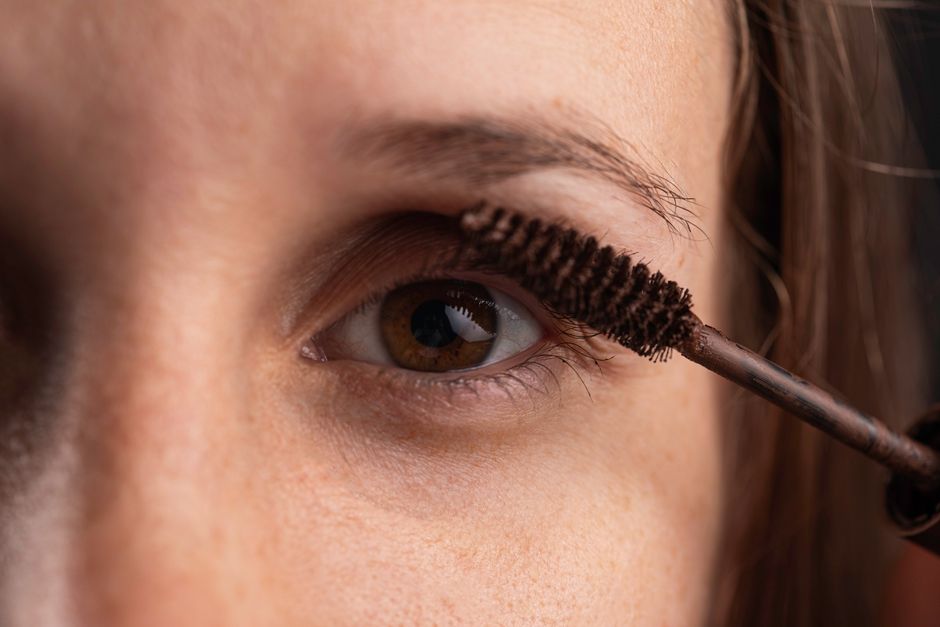
No. Vaseline cannot grow your eyelashes. It has no ingredient that affects hair growth, and no study has shown it makes lashes longer, thicker, or denser. What it can do is coat the lashes you already have, which makes them look slightly darker and glossier for a while. That is a cosmetic effect on the surface of the hair, not new growth.
This matters because the claim is everywhere online. People swear by it, and the reasoning sounds plausible until you look at what hair growth actually requires. Here is what the evidence supports, what it does not, and what to know before you put petroleum jelly near your eyes.
Can Vaseline Grow Your Eyelashes?
Eyelashes grow from follicles in the eyelid margin, and growth is controlled by the hair cycle and by genetics and hormones. Vaseline, which is petroleum jelly, sits on the surface of the hair shaft. It does not penetrate to the follicle in any meaningful way and does not influence the biology of hair growth.
There is no clinical evidence that petroleum jelly stimulates lash growth. No trial has shown increased lash length, thickness, or density from applying it. The idea that it “feeds” the lash has no basis in how hair grows. Hair shafts are made of dead keratin. They cannot absorb nutrients from a topical product and grow longer as a result.
What people actually notice is a visual trick. A thin coating of Vaseline makes each lash look a little darker and shinier, and it can help lashes clump together slightly, which reads as fuller. Wash it off and the effect is gone. Your lashes are the same length they were before.
Why Do People Think Vaseline Makes Eyelashes Longer?
The belief likely comes from a few things that get confused with each other. Lashes naturally cycle through growth, resting, and shedding phases, so they change length on their own over weeks. If someone starts using Vaseline during a growth phase, they may credit the product for a change that was already happening.
There is also a mechanical effect. Vaseline is an occlusive, meaning it forms a barrier that slows water loss from the skin. On the lash line, that can reduce dryness and make the area feel softer. Smoother, conditioned lashes may be less likely to break or fall out prematurely, which some people interpret as growth. Less breakage is not the same as more growth.
And there is simple confirmation bias. People who try a cheap home remedy and see any change tend to remember it. People who see nothing tend to move on quietly. The internet collects the first group and not the second.
Is Putting Vaseline on Your Eyelashes Safe?
Petroleum jelly is generally recognized as safe for use on skin, and it is a common ingredient in skin care. The eyelid area is different, though. The skin there is among the thinnest on the body, and the eyes themselves are sensitive.
The main risks are practical rather than serious for most people:
- Irritation and clogged glands. Heavy or repeated application near the lash line can block the small oil glands along the eyelid margin. Clogged glands are associated with styes and eyelid inflammation.
- Getting it in your eyes. Vaseline is not meant for the eye surface. If it gets in, it can blur vision and cause irritation. Rinse with water if this happens.
- Contact lens problems. Petroleum jelly can coat and damage soft contact lenses. Keep it away from lenses.
- Bacterial trapping. An occlusive layer can trap debris and bacteria against the skin if the area is not kept clean.
People with sensitive skin, rosacea, blepharitis, or a history of styes should be especially cautious. If you develop redness, swelling, pain, or a bump on the eyelid, stop using it and see a doctor. An eyelid infection is not something to treat at home with more Vaseline.
What Actually Affects Eyelash Growth?
Eyelash length is mostly set by your genes. The hair cycle on the eyelid runs on its own schedule, with a growth phase, a transition, and a resting phase before the lash sheds. You cannot change the length of that cycle with a moisturizer.
A few things genuinely influence lashes:
- Nutrition and overall health. Severe nutritional deficiencies can affect hair, but in well-nourished people, adding more nutrients does not make lashes longer.
- Hormones and thyroid function. Thyroid problems and some hormonal conditions can cause lash thinning or loss. This is a medical issue, not a cosmetic one.
- Eyelid health. Blepharitis and other eyelid conditions can damage follicles and lead to lash loss. Treating the underlying condition matters more than any growth product.
- Mechanical damage. Aggressive eyelash curling, waterproof mascara that is hard to remove, and rubbing can break lashes. Gentler habits help preserve the lashes you have.
Prescription lash products do exist. A prostaglandin analog is approved by the FDA for increasing eyelash length, and it works by extending the growth phase of the lash cycle. It requires a prescription and carries real side effects, including iris color changes and eyelid skin darkening. It is not a casual purchase, and it is not Vaseline.
Does Vaseline Help Eyebrows or Hair Grow?
The same answer applies to eyebrows and scalp hair. Petroleum jelly does not stimulate growth anywhere on the body. It conditions the surface and can reduce moisture loss, but it does not change the hair cycle or follicle activity.
Some people use it as an occlusive layer over other products, a technique sometimes called “slugging” in skin care. That may help other ingredients stay on the skin longer, but it does not turn a non-growth product into a growth product. The evidence for slugging itself is mostly anecdotal.
What Should You Do Instead?
If your goal is healthier-looking lashes, focus on things that protect the lashes you have. Remove eye makeup gently, avoid rubbing your eyes, and give your lashes a break from extensions and heavy mascara now and then. Keep the eyelid margin clean, especially if you are prone to styes or blepharitis.
If you are losing lashes, notice thinning, or have irritation along the lash line, see a doctor or eye care professional. Lash loss can have medical causes, and a proper exam is more useful than another home remedy. For anyone who wants a cosmetic boost, a lash curler and a good mascara do more for appearance than Vaseline ever will, and they carry less risk to the eye.
Vaseline is a useful, inexpensive moisturizer for dry skin. It is not a lash growth treatment, and no evidence suggests it ever will be.
Frequently Asked Questions
Can Vaseline grow your eyelashes?
No. Vaseline does not affect the hair follicle or the lash growth cycle, and no clinical evidence shows it increases lash length, thickness, or density. It can make existing lashes look slightly darker and shinier while it is on.
How long does it take for Vaseline to grow eyelashes?
It does not grow eyelashes at all, so there is no timeline. Any change you notice is a temporary cosmetic effect from coating the hair, not new growth.
Is it safe to put Vaseline on your eyelashes every night?
It is generally safe for most people, but repeated heavy use near the lash line can clog the eyelid oil glands and is linked to styes and eyelid irritation. Keep it out of your eyes and away from contact lenses.
What actually makes eyelashes grow longer?
Eyelash length is mostly determined by genetics and the natural hair cycle. A prescription prostaglandin analog is FDA-approved to increase lash length, but it requires a doctor and has side effects. No over-the-counter moisturizer, including Vaseline, has been shown to grow lashes.
