
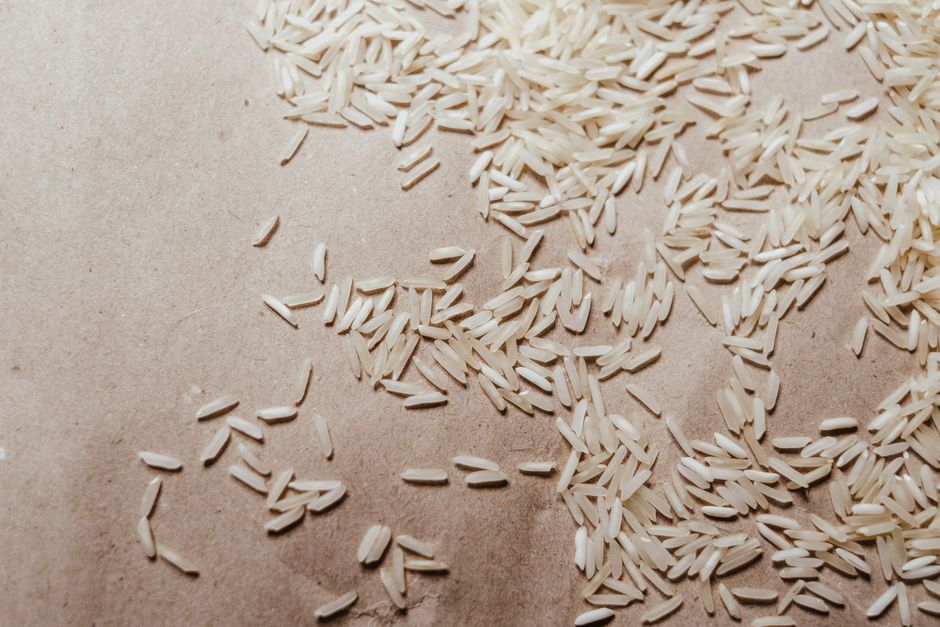
Yes, uncooked rice can go bad. Dry rice keeps far longer than most foods in your kitchen, but it is not immortal. Given enough time, heat, moisture, or pests, stored rice loses quality and can eventually become unsafe.
White rice is the most shelf-stable type. Brown rice spoils much faster because of the oil in its bran layer. The single biggest factor in how long rice lasts is how you store it, not the date on the bag.
This matters because rice is a staple people buy in bulk and keep for years. Knowing when it is still good and when to throw it out prevents both waste and illness.
Why Does Uncooked Rice Go Bad?
Dry rice is a low-moisture food, and low moisture is what protects it. Bacteria and mold need water to grow. When rice is properly dried and sealed, there is not enough available water to support microbial growth, so it can sit for a long time.
That protection breaks down in three main ways.
The first is moisture. If rice is exposed to humid air or gets wet, its water content rises. Once enough water is present, mold and bacteria can grow. This is why a bag left open in a damp basement behaves very differently from one kept in a sealed container in a dry pantry.
The second is oxidation. Brown rice still has its bran, and the bran contains natural oils. Those oils react with oxygen over time and turn rancid. White rice has had the bran removed, so it has far less oil to go rancid. This is the main reason brown rice has a much shorter shelf life than white.
The third is pests. Rice weevils and pantry moths can get into grain that is not sealed tightly. They do not necessarily make rice unsafe on their own, but an infested bag is spoiled and should be discarded.
How Long Does Uncooked Rice Last?
Storage time depends heavily on the type of rice and how it is kept. The ranges below reflect general food storage guidance, not a guarantee for any specific bag.
- White rice: Often stays good for years when kept sealed, dry, and cool.
- Brown rice: Typically best within about six months because of the oils in the bran.
- Wild rice: Behaves more like brown rice and is best used within roughly six months to a year.
These are general ranges, not firm deadlines. Rice stored in a hot, humid kitchen will decline faster. Rice kept sealed in a cool, dry pantry can last longer.
One clarification worth making: the “best by” date on a bag of rice is about quality, not safety. Rice past that date is not automatically spoiled. It may simply taste stale or cook up differently.
How Can You Tell If Uncooked Rice Has Gone Bad?
Your senses catch most problems before they become dangerous. Check the rice before you cook it.
Smell is the most reliable early sign. Fresh rice smells faintly like grain or almost nothing. Rancid brown rice smells like old oil, crayons, or a slightly sour, musty odor. Any of those means the oils have broken down and the rice should be thrown out.
Look for visible changes. Mold appears as fuzzy patches, discoloration, or dark spots. Clumping is another warning sign, because dry rice should pour freely. If grains are stuck together, moisture has gotten in.
Watch for pests. Small holes in the grains, fine dust at the bottom of the container, or live insects mean the bag is infested.
Texture can also tell you something. Rice that has absorbed moisture may feel soft or damp rather than hard and dry.
If you are unsure, throw it out. Rice is inexpensive, and the downside of guessing wrong is not worth it.




Can Bad Rice Make You Sick?
Spoiled dry rice is a real concern, but the more famous rice danger is a different problem entirely.
The well-documented illness linked to rice comes from cooked rice left at room temperature, not from dry rice that spoiled on the shelf. Bacillus cereus is a bacterium whose spores can survive cooking. If cooked rice sits out at room temperature for too long, those spores can grow into active bacteria that produce toxins. Reheating does not reliably destroy those toxins. This is why cooked rice should be refrigerated promptly rather than left out.
That is separate from spoiled uncooked rice. Dry rice that has grown mold or gone rancid is still a food you should not eat, but the mechanism is different. Mold growth can produce mycotoxins, which are harmful compounds some molds create. Rancid oils are not a poisoning risk in the way mold can be, but they make rice unpalatable and are a sign the food has degraded.
The takeaway is simple. Do not eat uncooked rice that smells off, looks moldy, or is clumped from moisture. And handle cooked rice carefully, because that is where the better-known food safety risk lives.
What Is the Best Way to Store Uncooked Rice?
Good storage is mostly about keeping three things away from your rice: moisture, heat, and air.
Transfer rice to an airtight container. The original bag is often thin and not resealable, so it lets in air and moisture over time. A sealed glass or plastic container, or a food-grade bucket with a tight lid, does a much better job.
Keep it cool and dry. A pantry away from the stove, dishwasher, and direct sunlight works well. Heat speeds up the breakdown of oils in brown rice and encourages pests.
For long-term storage, the freezer or refrigerator can extend shelf life, especially for brown rice. Just make sure the container is truly airtight so the rice does not pick up moisture or odors from the fridge.
Buy in amounts you will actually use. A huge bag of brown rice is a poor deal if it goes rancid before you finish it. Match the quantity to how fast you cook.
Does Rice Ever Become Truly Unsafe Without Looking Bad?
This is where honesty matters. Visible mold, a rancid smell, or pests are clear signals. But not every problem announces itself.
Some mold growth and mycotoxin formation can begin before it is obvious to the eye. That is one reason food safety guidance leans toward caution with any grain that has been stored wet or in poor conditions, even if it looks acceptable.
There is no reliable home test that tells you whether rice is contaminated with mycotoxins. You cannot smell or taste them. This is why prevention, meaning dry storage in a sealed container, matters more than inspection. If rice has clearly been exposed to moisture, the safest choice is to discard it rather than try to salvage it.
For healthy adults, the risk from properly stored rice is low. The point is not to fear your pantry. It is to store rice well and trust your senses when something seems wrong.
Frequently Asked Questions
Can uncooked rice go bad?
Yes. White rice can last for years when stored properly, but brown rice goes rancid within months because of the oils in its bran. Moisture, heat, and pests can spoil any type of rice faster.
How do you know if uncooked rice is spoiled?
A rancid, musty, or old-oil smell is the clearest sign, along with mold, clumping, or insects. If any of these are present, throw the rice out.
Does uncooked rice expire?
Rice does not expire in the way fresh food does, but it does lose quality over time. The “best by” date reflects quality, not safety, so rice past that date is not automatically spoiled.
Can you get food poisoning from spoiled uncooked rice?
The well-known rice illness comes from cooked rice left at room temperature, not from dry rice. Spoiled dry rice with mold should still be discarded because some molds can produce harmful compounds.
