
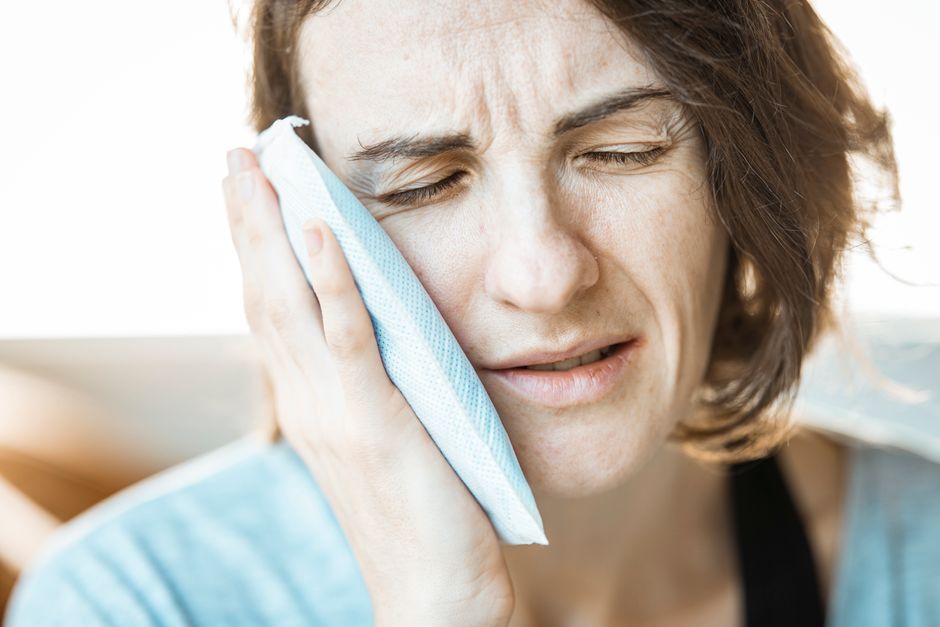
Yes, tingling in the face can be caused by anxiety. This is a real, physical symptom that happens when your body’s stress response goes into overdrive. The sensation can feel like pins and needles, numbness, or a crawling feeling on your skin. While it is alarming, it is not dangerous, and understanding why it happens is the first step to managing it.
Why Does Anxiety Cause Tingling in the Face?
Anxiety triggers your body’s “fight or flight” response. This is an ancient survival system designed to protect you from danger. When your brain perceives a threat—even a psychological one like stress or worry—it floods your body with stress hormones like adrenaline and cortisol. These hormones prepare you to either fight or run. They increase your heart rate, speed up your breathing, and redirect blood flow to your muscles. This is all useful if you are facing a physical threat. But when the threat is a work deadline or a difficult conversation, this response is a misfire. It creates physical changes that lead to symptoms like tingling. The tingling itself is not caused by a problem with your nerves. It is caused by the temporary changes in your blood flow and breathing patterns that anxiety produces.
The Hyperventilation Connection
When you are anxious, you often breathe faster and more shallowly than normal. This is called hyperventilation. You may not even notice you are doing it. Hyperventilation causes you to blow off too much carbon dioxide from your blood. This change in blood chemistry is a direct trigger for nerve tingling, especially in the face, hands, and feet. The medical term for this is paresthesia. It is the same sensation you get when your leg “falls asleep,” but the cause is different. In this case, the low carbon dioxide levels make your nerves more excitable. They fire off signals that your brain interprets as tingling or numbness. This is a well-understood physiological mechanism. It is not imagined, and it is not “all in your head.” The feeling is real because your blood chemistry has genuinely changed.
Muscle Tension and Nerve Compression
Anxiety also causes your muscles to tense up. You may clench your jaw, tighten your neck, or shrug your shoulders without realizing it. Over time, this chronic muscle tension can compress the nerves that run through your neck and jaw. These nerves supply sensation to your face. When they are squeezed, they can produce a tingling or numb feeling. This is why some people experience tingling on one side of the face more than the other. The compression is often uneven. If you hold stress in your jaw, the trigeminal nerve—the main nerve of the face—can be affected. This is a common reason why people with anxiety report facial tingling that comes and goes.





What Does Anxiety Tingling Feel Like?
The sensation is different for everyone. Some people describe it as a mild pins-and-needles feeling. Others feel a more intense numbness or a burning sensation. Some report a feeling like something is crawling on their skin. The tingling can be localized to one spot, like your lips or your cheek, or it can spread across your whole face. It often comes and goes. You might feel it during a moment of high stress, or it might appear hours later when you are trying to relax. It can also happen during a panic attack. A panic attack can intensify the tingling because your breathing becomes even more rapid and your muscles become even tighter. The key point is that anxiety-related tingling is typically temporary. It usually fades once your breathing normalizes and your muscles relax.
Can Tingling in Face Be Caused by Anxiety or Something Else?
Anxiety is a common cause of facial tingling, but it is not the only one. It is important to know the difference between anxiety-related tingling and tingling that signals a more serious medical issue. Some other causes include migraines, multiple sclerosis, a vitamin B12 deficiency, or a stroke. A stroke is the most urgent concern. If your facial tingling comes on suddenly and is accompanied by weakness on one side of your body, difficulty speaking, confusion, or vision changes, call emergency services immediately. These are signs of a stroke and require urgent medical attention. Another condition to consider is Bell’s palsy, which causes temporary facial paralysis or weakness. It is not caused by anxiety. If you have drooping on one side of your face, you cannot close your eye, or your symptoms are getting worse, see a doctor promptly. A doctor can evaluate your symptoms and rule out these other causes. If they find no underlying medical issue, anxiety becomes a much more likely explanation.
How to Stop Anxiety Tingling in the Face
If you have been told by a doctor that your tingling is anxiety-related, there are steps you can take to reduce it. The most effective immediate step is to slow down your breathing. Breathe in slowly through your nose for a count of four, hold for a count of four, and breathe out slowly through your mouth for a count of six. This pattern helps restore normal carbon dioxide levels in your blood. It directly addresses the hyperventilation that causes tingling. You can also try to relax your facial muscles. Gently massage your jaw, roll your shoulders, and unclench your teeth. This reduces nerve compression from muscle tension. Physical activity is another tool. A brisk walk or any exercise that raises your heart rate can help burn off excess adrenaline. Over the long term, managing your baseline anxiety is the most effective strategy. This might include therapy, such as cognitive behavioral therapy, which teaches you to change anxious thought patterns. Some people also benefit from medication prescribed by a doctor. These treatments do not cure the tingling directly. They reduce the anxiety that causes it.
When to See a Doctor About Facial Tingling
You should see a doctor the first time you experience facial tingling, especially if you do not have a known anxiety disorder. This is not because anxiety is an unlikely cause, but because other conditions need to be ruled out. A doctor can perform a physical exam and run basic tests. They can check your blood for vitamin deficiencies or thyroid problems. They may refer you to a neurologist if they suspect a nerve issue. You should also see a doctor if your tingling is persistent, worsening, or accompanied by other symptoms like headache, dizziness, or muscle weakness. If your symptoms are clearly tied to stress and you have already been evaluated, you can manage them at home. But if anything changes or feels different, get it checked. It is always better to be cautious with symptoms involving your face and head.
Living with Anxiety-Related Tingling
Living with anxiety-related tingling can be frustrating. The sensation is distracting and can make you worry that something is seriously wrong. That worry can then feed the anxiety, creating a cycle. Breaking that cycle requires both knowledge and practice. Knowing that the tingling is a physical response to stress, not a sign of nerve damage, can reduce your fear. When the tingling starts, remind yourself that it is your body’s stress response, and it will pass. Focus on slowing your breathing and relaxing your muscles. Over time, as you learn to manage your anxiety, the tingling episodes usually become less frequent and less intense. This is not a cure, but it is a path to control. Many people find that their facial tingling becomes a useful early warning sign. It tells them their stress is building, and they need to take a break or use a relaxation technique before things escalate.
Frequently Asked Questions
Can anxiety cause tingling in the face every day?
Yes, if you have chronic anxiety, you may experience facial tingling daily. The frequency depends on how often your stress response is triggered and how severe your muscle tension and breathing changes are.
How long does anxiety face tingling last?
Episodes typically last from a few minutes to about half an hour. The tingling usually fades once your breathing returns to normal and your muscles relax.
Can anxiety cause tingling on one side of the face?
Yes, anxiety can cause tingling on one side of the face. This often happens because muscle tension from stress may compress a nerve on one side more than the other.
Is facial tingling from anxiety dangerous?
No, facial tingling from anxiety is not dangerous. It is a temporary physical symptom caused by changes in breathing and muscle tension, and it does not cause nerve damage.
