
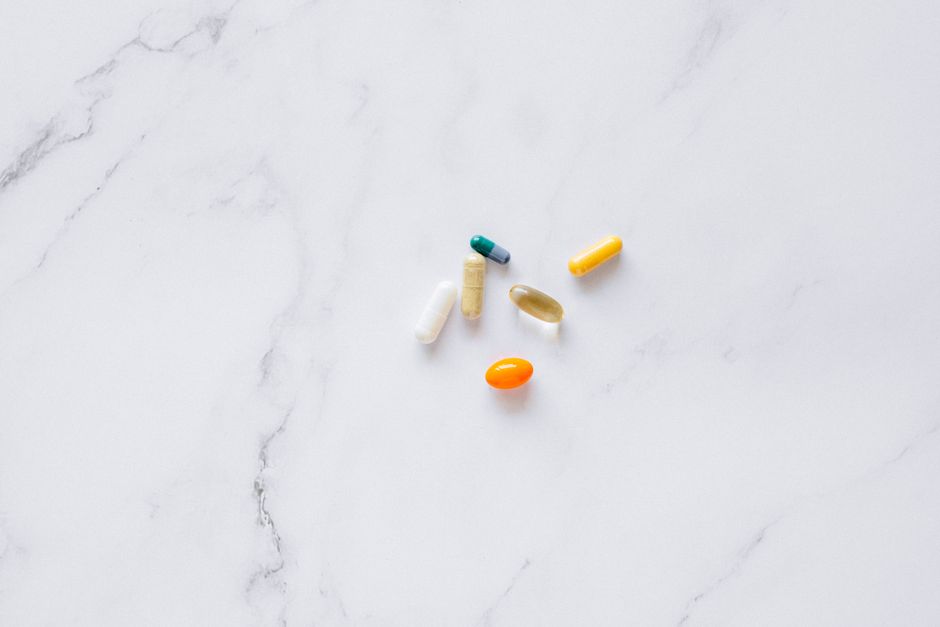
Many people who start hormonal contraception notice their clothes fitting differently within a few months. The short answer: combined oral contraceptives can cause modest weight gain in some users, but the effect is usually small and varies widely. Research has not shown a consistent, large weight gain across all users, and the picture differs depending on which pill you take. Some people gain a few pounds, some lose weight, and many notice no change at all.
The confusion around this topic is real. Anecdotes are powerful, and personal experience matters. But the evidence tells a more nuanced story than either “the pill makes you fat” or “the pill has no effect on weight.”
What Does Research Say About Birth Control Pills and Weight Gain?
Research consistently shows that combined oral contraceptives are not a major driver of weight gain for most people. The largest and most reliable studies have found either no significant difference in weight between pill users and non-users, or gains so small they are hard to distinguish from normal weight changes over time.
This matters because normal weight fluctuates. Adults typically gain some weight over years regardless of contraception. A few pounds over 12 months is common. When people start a new medication and also gain a few pounds, the pill gets blamed. Sometimes that is fair. Often it is not.
There is one important exception. The evidence is stronger for certain older formulations, particularly those with higher estrogen doses, than for modern low-dose pills. Modern combined pills contain much less estrogen than pills from the 1960s and 1970s. This change came partly because of cardiovascular safety concerns, but it also reduced some side effects, including appetite changes.
Some studies suggest that certain progestins used in combined pills may be associated with small weight changes more than others. The evidence is not strong enough to recommend one progestin over another for weight reasons alone. If weight is a major concern for you, that is a conversation to have with your clinician, who can review the specific formulation you are considering.
Can The Pill Cause Weight Gain Through Appetite Changes?
Yes, appetite changes are a plausible mechanism, and some users report increased hunger on hormonal contraception. Estrogen and progestin can influence appetite signaling, though the exact mechanisms in humans are not fully mapped.
What is clear is that any weight gain from increased appetite would depend entirely on what a person eats and how their body responds. Hormones do not create calories. If appetite increases and food intake goes up, weight gain follows. If appetite increases but intake stays the same, weight does not necessarily change.
This is why individual results vary so much. Two people on the same pill can have completely different experiences. One notices no appetite change. Another feels hungrier and eats more. A third notices fluid changes rather than fat gain.
Is It Weight Gain or Fluid Retention?
Some of what people experience on the pill is fluid retention, not fat gain. Estrogen can affect sodium and water balance, and some users notice bloating, breast tenderness, or a feeling of puffiness in the first few months.
Fluid retention is usually temporary and tends to settle as the body adjusts. It is also typically modest, not the 10 or 15 pounds some people describe. If you notice significant swelling, especially in the legs or ankles, that is worth mentioning to a clinician, because it can have other causes.
Distinguishing between fluid and fat matters for how you respond. Fluid changes often resolve on their own. Fat gain requires a different approach, usually involving diet, activity, or a change in contraception.
Do Different Types of Birth Control Affect Weight Differently?
Yes, the type of contraception matters. Combined pills are not the only option, and the weight effects differ across methods.
- Combined oral contraceptives: Generally associated with minimal or no weight gain in most users. Some people notice small changes, often temporary.
- Progestin-only pills: The mini-pill is less studied for weight effects than combined pills. Some users report changes, but evidence is limited.
- Depot medroxyprogesterone acetate (DMPA, the shot): This is the method with the strongest evidence of weight gain. Studies have found that some users, particularly adolescents and those with higher baseline BMI, gain weight over time. This is a well-documented effect and worth discussing with a clinician.
- Hormonal implants and IUDs: The etonogestrel implant and levonorgestrel IUDs are generally not associated with significant weight gain in most users, though individual reports vary.
- Combined hormonal patch and vaginal ring: These deliver hormones differently than pills but contain similar hormones. Evidence on weight is limited and mixed.
The DMPA shot stands apart. If weight gain is a concern and you are considering injectable contraception, that is a specific conversation worth having before you start.
What Should You Do If You Notice Weight Changes on the Pill?
First, give it time. Many side effects, including fluid changes and appetite shifts, settle within the first three to six months. If you are still noticing changes after that, it is reasonable to bring it up with your clinician.
Do not stop your pill abruptly without a backup plan. Stopping suddenly can leave you without contraception and may cause irregular bleeding or other withdrawal effects. If you want to switch methods, plan the transition with your clinician.
When you talk to your clinician, be specific. Note when the weight change started, how much you have gained, whether you notice appetite changes or fluid retention, and whether anything else changed in your life at the same time. This helps separate pill effects from other factors like stress, sleep changes, diet shifts, or thyroid issues.
It is also worth knowing that weight gain is not a reason to accept a method you are unhappy with. There are many contraceptive options. Finding one that works for your body and your life is a legitimate goal.
What Else Could Be Causing Weight Gain?
Weight gain has many causes, and the pill is rarely the whole story. Thyroid changes, stress, poor sleep, medication changes, dietary shifts, and normal aging all play roles. Perimenopause and menopause are also associated with weight changes, particularly around the midsection, and these can overlap with contraceptive use.
If you gain weight rapidly, notice swelling, or have other symptoms like fatigue, hair changes, or irregular periods, those are worth investigating separately. They may have nothing to do with your pill.
One non-obvious point: the pill is often started during periods of life change, like starting college, a new job, or a new relationship. These transitions often come with changes in eating, activity, sleep, and stress. It is easy to attribute weight changes to the pill when life circumstances are the bigger factor.
Frequently Asked Questions
Does the pill make you gain weight?
Combined oral contraceptives can cause small weight changes in some users, but research has not shown a consistent large weight gain across all users. The effect varies by pill type and individual response.
Which birth control causes the most weight gain?
The DMPA shot (depot medroxyprogesterone acetate) has the strongest evidence of weight gain among hormonal contraceptives. Combined pills, implants, and IUDs are generally associated with minimal or no weight gain in most users.
How long does it take for the pill to cause weight gain?
Some users notice changes within the first few months, often related to fluid retention, which may settle over time. There is no established timeline, and many users notice no change at all.
Can switching pills help with weight gain?
Switching to a different formulation may help some people, but there is no guarantee. The evidence does not strongly support one pill over another for weight reasons alone. Discuss options with your clinician.
