
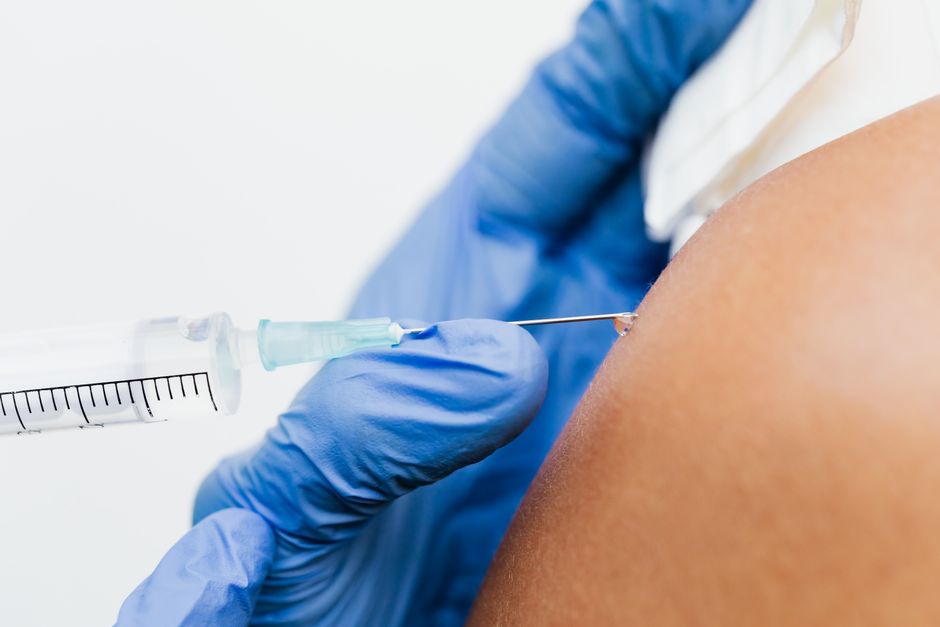
Yes, testosterone injections can cause high hemoglobin. This is one of the most well-documented effects of testosterone therapy. When testosterone levels rise, the body produces more red blood cells. If that increase goes too far, hemoglobin levels climb above the normal range. Doctors call this condition erythrocytosis, and it is a known side effect of injectable testosterone.
Why Does Testosterone Raise Hemoglobin?
Testosterone directly stimulates the bone marrow to make more red blood cells. It also increases production of erythropoietin, a hormone made by the kidneys that signals the body to create red blood cells.
This effect is not accidental. It is part of how testosterone works. The problem appears when the increase becomes excessive. Hemoglobin is the protein inside red blood cells that carries oxygen. More red blood cells mean more hemoglobin. When levels get too high, blood becomes thicker and more viscous.
Thicker blood moves less easily through small vessels. This raises the risk of blood clots, stroke, and heart attack. That is why doctors monitor hemoglobin and hematocrit regularly during testosterone therapy.
What Hemoglobin Level Is Too High?
Normal hemoglobin ranges vary slightly by lab and by sex. For adult men, the typical normal range is roughly 13.5 to 17.5 grams per deciliter. For adult women, it is roughly 12.0 to 15.5 grams per deciliter.
Most clinical guidelines recommend stopping or adjusting testosterone therapy if hemoglobin rises above 17.5 to 18 g/dL in men. Some guidelines use a hematocrit threshold of 54 percent. Hematocrit measures the proportion of blood made up of red blood cells.
These thresholds are not arbitrary. Research has linked hematocrit levels above 54 percent to increased cardiovascular risk. Staying below these numbers is the standard goal during treatment.
How Common Is High Hemoglobin With Testosterone Injections?
It is common. Studies consistently show that injectable testosterone raises hemoglobin and hematocrit more than other forms of testosterone. Gels, patches, and nasal formulations have a smaller effect on red blood cell production.
Some research suggests that a significant portion of men on injectable testosterone will develop hematocrit levels above the normal range. The exact percentage varies between studies, but clinicians treating men with testosterone injections expect to see this regularly.
The risk is higher with injections than with other delivery methods for a few reasons. Injections produce a peak in testosterone levels shortly after the dose. That peak strongly stimulates red blood cell production. Gels and patches deliver a steadier level of testosterone, which produces a more modest effect on hemoglobin.




Who Is Most at Risk for High Hemoglobin?
Several factors raise the risk of developing high hemoglobin on testosterone therapy.
- Age. Older men appear more sensitive to the red blood cell effects of testosterone.
- Smoking. Smoking already raises hemoglobin because the body tries to compensate for carbon monoxide in the blood. Adding testosterone can push levels higher.
- Living at high altitude. Lower oxygen levels at altitude naturally stimulate red blood cell production. Testosterone adds to that effect.
- Sleep apnea. This condition causes repeated drops in blood oxygen during sleep, which raises red blood cell production. Untreated sleep apnea increases the risk of erythrocytosis on testosterone.
- Lung disease. Chronic lung conditions reduce blood oxygen and stimulate red blood cell production for the same reason.
Men with any of these conditions need closer monitoring during testosterone therapy. Their baseline hemoglobin may already be at the higher end of normal.
What Symptoms Should You Watch For?
High hemoglobin does not always cause symptoms. Many men only discover the problem through routine blood tests. When symptoms do appear, they come from thicker blood moving less efficiently through the body.
Common symptoms include headaches, dizziness, and blurred vision. Some men report fatigue rather than energy, which can seem counterintuitive. Flushing of the skin, especially the face, is another possible sign. Itching after a hot shower is a classic symptom of erythrocytosis.
More serious symptoms include chest pain, shortness of breath, and confusion. These can signal a blood clot and require immediate medical attention. Anyone experiencing these symptoms should seek emergency care.
How Is High Hemoglobin Managed?
When hemoglobin climbs too high, the first step is usually adjusting the testosterone dose. Lowering the dose or extending the interval between injections often brings hemoglobin back down.
Switching to a different form of testosterone is another option. Gels and patches have a smaller effect on red blood cell production than injections. For men who cannot control hemoglobin with injections, switching forms may solve the problem.
In some cases, doctors recommend therapeutic phlebotomy. This procedure removes a unit of blood, similar to donating blood. It quickly lowers hemoglobin and hematocrit. Some men need repeated phlebotomy sessions to keep levels in range.
Stopping testosterone therapy entirely is a last resort. It resolves the high hemoglobin but also ends the benefits of treatment. Most doctors try dose adjustment or formulation changes before stopping altogether.
Can Testosterone Injections Cause High Hemoglobin in Everyone?
No. The effect is common but not universal. Some men on testosterone injections never reach hemoglobin levels above the normal range. Others see a rapid and significant increase within the first few months of treatment.
The biggest increase typically happens early in treatment. Hemoglobin levels usually rise within the first three to six months and then stabilize. This is why doctors check blood counts soon after starting therapy and then at regular intervals.
Baseline hemoglobin matters. Men who start with hemoglobin near the top of the normal range are more likely to cross into the danger zone. Men who start in the middle of the normal range have more room before levels become concerning.
How Often Should Hemoglobin Be Checked?
Guidelines generally recommend a baseline blood test before starting testosterone. This establishes where hemoglobin and hematocrit start.
After starting injections, doctors typically check blood counts at three to six months. If levels are stable and within range, testing continues every six to twelve months. Men who develop high hemoglobin need more frequent monitoring until the problem is controlled.
No single testing schedule fits everyone. Men with risk factors such as smoking, sleep apnea, or lung disease need more frequent checks. Men who develop symptoms need immediate testing regardless of schedule.
What Else Can Raise Hemoglobin During Testosterone Therapy?
Testosterone is not the only factor affecting hemoglobin. Other conditions can push levels higher during treatment.
Dehydration concentrates the blood and can temporarily raise hemoglobin readings. This is why doctors sometimes repeat a high test before changing treatment. Drinking fluids and retesting can confirm whether the elevation is real.
Certain medical conditions also raise hemoglobin. Polycythemia vera is a bone marrow disorder that causes excess red blood cell production. Some men discover they had this condition only after starting testosterone and seeing unusually high hemoglobin levels.
Androgens other than testosterone can have the same effect. Anabolic steroids, which are related to testosterone, also raise hemoglobin. Men using any form of androgen should be aware of this risk.
Is High Hemoglobin Dangerous Long Term?
Persistent high hemoglobin carries real risks. The main concern is blood viscosity. Thicker blood increases the work of the heart and raises the chance of clot formation.
Blood clots can travel to the lungs, causing a pulmonary embolism. Clots in the brain cause stroke. Clots in the heart cause heart attack. These are the serious outcomes doctors try to prevent by monitoring hemoglobin.
The risk appears to increase as hematocrit climbs above 54 percent. Keeping levels below this threshold is the standard clinical goal. Men who maintain hemoglobin in a safe range during testosterone therapy do not appear to carry this added risk.
Frequently Asked Questions
How long after starting testosterone injections does hemoglobin rise?
Hemoglobin typically rises within the first three months of treatment and usually stabilizes by six months. This is why doctors order follow-up blood tests at three to six months after starting therapy.
Can high hemoglobin from testosterone be reversed?
Yes. Lowering the testosterone dose, switching to a gel or patch, or stopping injections usually brings hemoglobin back to normal. Therapeutic phlebotomy can lower levels quickly when needed.
Should I stop testosterone if my hemoglobin is high?
Do not stop on your own. Speak with your doctor first, because stopping abruptly may cause unwanted symptoms. Your doctor can adjust the dose or recommend another approach to bring hemoglobin down safely.
Do testosterone gels raise hemoglobin as much as injections?
No. Gels and patches raise hemoglobin less than injections because they deliver a steadier level of testosterone without the high peak that injections produce.
