
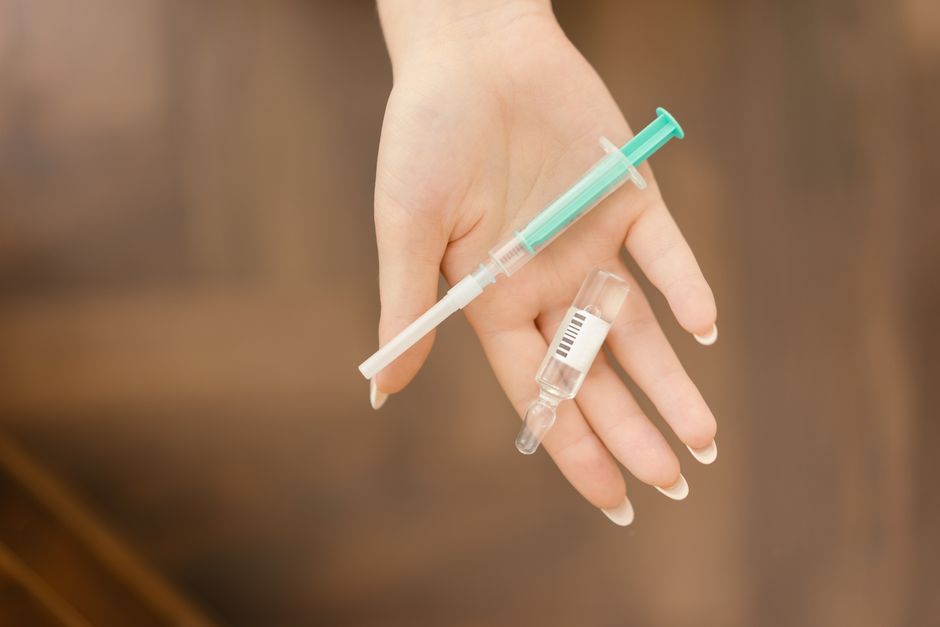
Yes, testosterone cypionate can be injected subcutaneously. This is a legitimate and increasingly common route of administration, and it is not a compromise or a workaround. The drug is absorbed from the fatty tissue beneath the skin, enters the bloodstream, and raises serum testosterone. Many clinicians now prescribe subcutaneous injections for testosterone replacement therapy instead of the traditional intramuscular route.
That said, the word “can” is doing real work in that sentence. Subcutaneous use is well established in clinical practice, but it sits in a slightly different regulatory and evidence space than intramuscular use. Understanding that difference matters if you are the person holding the syringe.
What Does Subcutaneous Injection Actually Mean?
Subcutaneous means “under the skin.” The needle passes through the outer layer of skin and deposits medication into the layer of fat and connective tissue just below it. This is the same tissue layer used for insulin injections, many vaccines, and drugs like heparin.
That layer has a blood supply, though less than muscle. Medication deposited there is absorbed gradually rather than all at once. For drugs that need to enter the bloodstream steadily over hours or days, this slow absorption is a feature, not a flaw.
Intramuscular injection, by contrast, places medication directly into muscle tissue, which has a richer blood supply. Absorption from muscle tends to be faster and can produce a sharper peak in blood levels.
For testosterone cypionate specifically, the drug is an ester — a modified form of testosterone designed to dissolve slowly after injection. That ester design is what allows dosing every week or so rather than daily. The absorption rate differs somewhat between fat and muscle, but the ester itself is doing most of the work of controlling how fast testosterone is released.
Is Subcutaneous Testosterone Cypionate an Approved Use?
This is where honesty matters. In the United States, testosterone cypionate products have historically carried labeling that describes intramuscular administration. Subcutaneous use for this specific drug is what regulators call “off-label” — meaning it is a use that a licensed clinician may prescribe, but it is not the use described in the manufacturer’s approved labeling.
Off-label prescribing is legal and common in American medicine. It does not mean a drug is experimental or unsafe. It means the manufacturer has not submitted the specific data package required to add that route to the label.
Some testosterone products are specifically approved for subcutaneous use. Testosterone pellets are implanted subcutaneously. Certain auto-injector formulations of testosterone enanthate are approved for weekly subcutaneous dosing. So the concept of subcutaneous testosterone delivery is not fringe — it is an accepted approach. What varies is whether a given product’s label reflects it.
If you are prescribed testosterone cypionate subcutaneously, your clinician is making a judgment based on the available evidence plus their clinical experience. That is a normal part of medical practice, but it is worth knowing that this is what is happening.
Why Would Someone Choose Subcutaneous Over Intramuscular?
The most common reason is comfort. A subcutaneous injection uses a much shorter and thinner needle than an intramuscular injection. Intramuscular injections into the buttock or thigh require a needle long enough to reach deep muscle tissue, and that can be painful.
People who self-inject often find subcutaneous shots easier to perform. The technique is simpler, the needle is less intimidating, and there is less risk of hitting a blood vessel or nerve.
Another consideration is injection frequency. Intramuscular testosterone cypionate is often dosed every one to two weeks. Subcutaneous dosing is frequently split into smaller, more frequent injections — sometimes twice weekly or every few days. More frequent, smaller doses can produce steadier blood levels, which some patients and clinicians prefer.
Steadier levels may matter because testosterone levels that swing widely can be associated with symptom fluctuations. Some people report feeling more even with more frequent dosing. This is a reasonable clinical rationale, though individual response varies considerably.
There is also a practical point about muscle tissue itself. Repeated intramuscular injections into the same site can cause scar tissue over time. Subcutaneous injection avoids that specific problem, though it introduces its own consideration of rotating injection sites to prevent lumps in the fatty tissue.





Is the Absorption and Effect the Same?
Not identical, but broadly comparable in the ways that matter for most people on replacement therapy.
Research comparing subcutaneous and intramuscular testosterone cypionate has generally found that both routes raise serum testosterone into the therapeutic range. Some studies suggest subcutaneous absorption may be slightly slower and produce somewhat steadier levels, while intramuscular may produce a higher peak shortly after injection. The overall exposure over time — what pharmacologists call the area under the curve — appears similar in the studies that have looked at this.
The evidence base here is moderate, not enormous. It includes several small comparative studies and a good deal of clinical experience. It does not include the kind of very large, long-term randomized trials that would settle every question about long-term outcomes by route. Anyone who tells you the two routes are proven identical in every respect is going beyond what the data show.
What the evidence does support is that subcutaneous injection can achieve and maintain therapeutic testosterone levels in most patients. That is the core clinical question, and the answer appears to be yes.
How Is a Subcutaneous Testosterone Injection Given?
The technique is straightforward, but it should be taught by a clinician or nurse before you do it yourself. Reading instructions is not the same as being shown.
In general terms:
- A short, fine needle is used — typically much shorter than an intramuscular needle.
- The injection goes into fatty tissue, commonly the abdomen, the front of the thigh, or the upper outer arm.
- The site is rotated each time to avoid repeated trauma to one spot.
- The skin is typically pinched up before injection to lift it away from underlying muscle.
- The needle is inserted at an angle or straight in, depending on needle length and the clinician’s instruction.
Your prescriber will give you specific instructions about needle size, angle, and site rotation. Follow those instructions rather than a general description, because needle length and body composition affect what is appropriate for you.
Testosterone cypionate is a thick, oily solution. It can be slightly harder to push through a fine needle than water-based medications. Warming the vial gently in your hands — not microwaving it, not putting it in hot water — can make drawing and injecting easier. Your pharmacist can advise on this.
What Are the Risks and Downsides?
Subcutaneous injection carries the same general categories of risk as any injection: pain, bleeding, bruising, and infection at the site. These are uncommon with proper technique and clean supplies.
A more specific issue with subcutaneous testosterone is the possibility of nodules or lumps forming in the fatty tissue. These are usually small areas of irritation or oil that has not fully dispersed. They typically resolve, but they are a reason to rotate sites consistently rather than using the same spot repeatedly.
There is also the question of whether absorption is reliable for every patient. Some people absorb subcutaneously well; others may not achieve target levels as easily. This is why blood testing matters regardless of route. Your clinician will check your testosterone levels to confirm the dose and route are working for you.
The systemic risks of testosterone therapy itself do not change based on injection route. These include effects on red blood cell production, possible changes in blood pressure, and the need to monitor other markers over time. Testosterone therapy requires ongoing medical supervision. It is not a set-and-forget treatment.
One point that is often glossed over: testosterone is a controlled substance in the United States, and it is not appropriate for everyone. It can affect fertility, and it is not a treatment for low energy or low mood in people whose testosterone levels are normal. Anyone considering it should have their levels measured and discussed with a clinician.
What Should You Ask Your Prescriber?
If you are considering subcutaneous testosterone cypionate, or if you have been prescribed it and want to understand the decision, a few questions are worth asking directly.
- Is this route appropriate for my body composition and my specific product?
- What needle length and angle should I use?
- How often should I inject, and why that schedule?
- When will we check my blood levels to confirm this is working?
- What should I do if I notice a lump at an injection site?
The answers will vary from person to person. Testosterone therapy is individualized — dose, frequency, and route all get adjusted based on how a person responds. There is no single correct protocol that applies to everyone.
The bottom line is that subcutaneous injection of testosterone cypionate is a real, used, and generally workable option. It is not officially on the label for most cypionate products, and the comparative research is moderate rather than exhaustive. But it is a recognized approach in clinical practice, and for many people it is more comfortable and just as effective at maintaining appropriate testosterone levels. The decision belongs with you and your clinician, based on your circumstances and your response to treatment.
Frequently Asked Questions
Can testosterone cypionate be injected subcutaneously?
Yes, subcutaneous injection of testosterone cypionate is used in clinical practice and can raise testosterone levels into the therapeutic range. It is considered an off-label route for most cypionate products, meaning it is not described in the manufacturer’s approved labeling.
Is subcutaneous testosterone as effective as intramuscular?
Studies comparing the two routes suggest they produce broadly similar total testosterone exposure over time, though absorption patterns differ slightly. The evidence base is moderate rather than large, so the two routes are not proven identical in every respect.
What needle size is used for subcutaneous testosterone cypionate?
Subcutaneous injections use a much shorter, thinner needle than intramuscular injections, but the exact size depends on your body composition and your prescriber’s instructions. Your clinician should specify the needle length and angle for your situation.
Why do subcutaneous testosterone injections cause lumps?
Small lumps can form when the oily solution is not fully absorbed or when the same site is used repeatedly. Rotating injection sites and using proper technique reduces the chance of this happening.
