
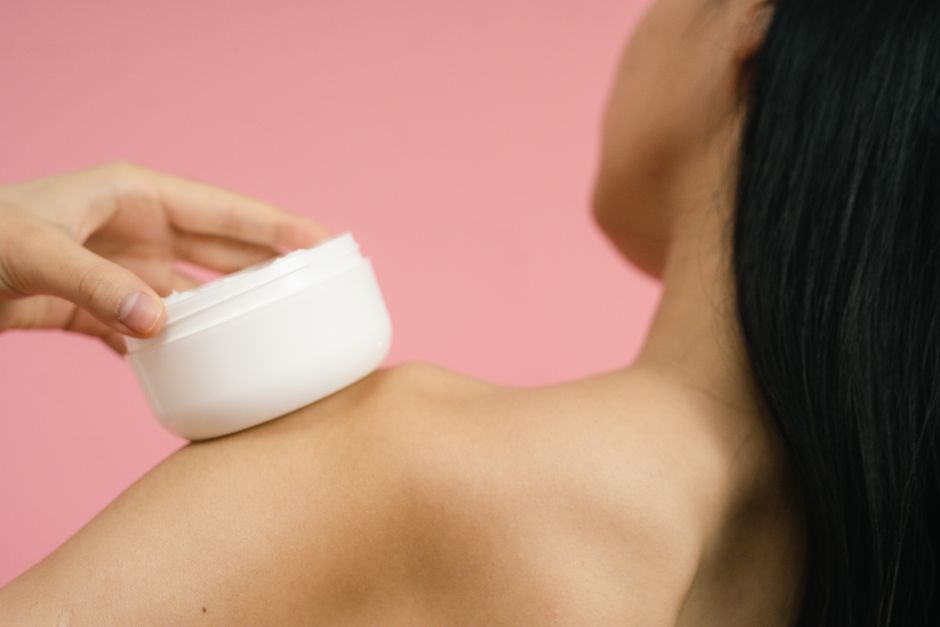
Testosterone cream can lead to weight gain, but the reason is usually fluid retention rather than new fat. When testosterone enters the body, it can cause the kidneys to hold onto sodium and water, which shows up on the scale as added pounds. This is a known effect of testosterone therapy, and it is one of the reasons doctors monitor patients closely after starting treatment.
The picture gets more complicated because testosterone affects body composition in different ways depending on dose, delivery method, and the person using it. Some men gain scale weight while actually losing fat. Others gain weight because their estrogen rises. And some gain because their appetite increases. Understanding which of these is happening matters, because the response to each is different.
Does Testosterone Cream Cause Water Retention?
Water retention is the most common and best-documented reason for weight gain on testosterone therapy. Research consistently shows that testosterone affects how the kidneys handle sodium. When sodium is retained, water follows it, and total body water increases.
This is not a small effect. Some men on testosterone therapy gain several pounds of water weight in the first weeks. The ankles, hands, and face may look puffier. Blood pressure can rise slightly. This is sometimes called edema, and it is a recognized side effect of androgen therapy.
The mechanism is fairly well understood. Testosterone increases reabsorption of sodium in the kidney tubules. It also raises levels of a hormone called aldosterone in some people, which signals the body to hold onto more salt and water. The result is extra fluid circulating in the bloodstream and collecting in tissues.
Water weight from testosterone usually stabilizes after a few weeks to a few months as the body adjusts. It does not keep accumulating indefinitely in most cases. But it can be significant enough to notice on the scale and in how clothes fit.
If swelling is sudden, severe, or accompanied by shortness of breath, that warrants prompt medical attention. Fluid retention in the setting of heart or kidney disease can be more serious, and doctors factor this in when prescribing testosterone.
Can Testosterone Cream Cause Fat Gain?
Testosterone does not directly cause fat gain in the way that excess calories do. In fact, the opposite is generally true. Testosterone therapy often reduces fat mass, particularly visceral fat around the abdomen, when it is used in men with low testosterone.
Clinical studies have found that men with hypogonadism who receive testosterone replacement tend to lose fat and gain lean muscle mass over time. This is one of the intended benefits of treatment for men who genuinely need it. So why would anyone on testosterone cream gain fat?
There are a few explanations. The first is aromatization. Testosterone can convert into estradiol, a form of estrogen, through an enzyme called aromatase. This happens naturally in the body, but it can increase when testosterone levels rise. Higher estradiol can promote fat storage, particularly in the belly and chest. Some men on testosterone therapy develop breast tenderness or gynecomastia for this reason.
The second explanation is appetite. Testosterone can increase hunger in some people. If calorie intake rises more than activity does, fat gain follows. This is not a direct effect of the hormone on fat cells but a behavioral one.
The third is dose and delivery. Testosterone cream is absorbed through the skin and can produce variable blood levels depending on where it is applied, how much is used, and how well the skin absorbs it. If levels run too high, side effects including water retention and estrogen conversion become more likely.
How Does Testosterone Cream Differ From Injections for Weight Changes?
Delivery method matters for how testosterone affects weight. Creams, gels, and injections all raise testosterone, but they do so differently.
Injections, particularly longer-acting forms, can produce peaks and valleys in blood levels. Some men experience more water retention and estrogen conversion during the peaks. Creams and gels tend to produce steadier levels when used consistently, though absorption can vary from person to person.
One practical difference is that creams are applied daily, which can mimic the body’s natural rhythm more closely. Injections given every week or every few weeks create a different pattern. Whether one causes more weight gain than the other is not firmly established. Some clinicians report that injections cause more fluid retention, but the evidence is not strong enough to say this definitively.
What matters most is achieving stable, appropriate blood levels. When levels are too high, side effects including water retention and estrogen conversion are more likely regardless of delivery method. When levels are in the target range, those side effects are less common.




What About Estrogen and Weight Gain on Testosterone?
Estrogen is not just a female hormone. Men produce it too, and testosterone is one of the raw materials. When testosterone levels rise, more of it can be converted to estradiol. This is a normal process, but it can tip out of balance.
Elevated estradiol in men can cause several things. It can promote fat storage, especially in the abdomen and chest. It can cause breast tissue to grow. It can lead to mood changes and water retention. Some men on testosterone therapy experience these effects even when their testosterone levels look normal on a blood test.
Doctors sometimes prescribe aromatase inhibitors to block this conversion. These drugs reduce estradiol levels. But they are not without risks. They can cause joint pain, mood changes, and bone loss if used too aggressively. The decision to use them is not straightforward, and clinical practice varies.
The relationship between estrogen and weight gain is real but often overstated in online forums. Not every man on testosterone needs an aromatase inhibitor. Blood tests can show whether estradiol is actually elevated. Symptoms alone are not always a reliable guide.
Can Weight Gain on Testosterone Cream Be Avoided?
Some weight gain on testosterone therapy is difficult to avoid entirely, especially water retention in the first weeks. But there are ways to reduce the risk and manage it.
- Monitor blood levels. Testosterone and estradiol levels should be checked regularly, especially after starting or changing dose. Levels that are too high increase the risk of water retention and estrogen conversion.
- Watch sodium intake. Since testosterone promotes sodium retention, eating less salt can reduce fluid buildup. This is standard advice for anyone prone to edema.
- Stay active. Exercise helps maintain lean mass and can offset fat gain from increased appetite. It also supports cardiovascular health, which matters because testosterone can affect blood pressure and cholesterol.
- Track your weight and symptoms. A sudden jump in weight, swelling in the ankles, or new breast tenderness are signals to talk to your doctor. These are not necessarily reasons to stop treatment, but they are reasons to adjust it.
- Be patient. Some water weight resolves on its own as the body adjusts. If it does not, that is useful information for your doctor.
It is also worth noting that not everyone on testosterone cream gains weight. Some men lose weight because fat mass decreases. Others stay the same. The response depends on starting hormone levels, dose, genetics, diet, and activity.
When Should You Talk to Your Doctor About Weight Gain on Testosterone?
Any weight gain on testosterone therapy is worth mentioning at your next appointment. But some situations warrant a call sooner.
Rapid weight gain over a few days, especially with swelling in the legs or shortness of breath, needs prompt evaluation. These can be signs of fluid overload, which is more concerning in people with heart or kidney conditions. Testosterone can worsen sleep apnea, which itself can affect weight and blood pressure.
New breast tenderness or growth is another reason to check in. It suggests estrogen levels may be too high. Mood changes, acne, and hair loss are also possible signs that levels are not where they should be.
Weight gain that continues for months despite stable testosterone levels may have another cause. Thyroid problems, medication side effects, and changes in diet or activity are all common reasons for weight gain that have nothing to do with testosterone. Assuming the hormone is responsible can delay finding the real cause.
The bottom line is that testosterone cream can cause weight gain, but the reasons are specific and usually manageable. Water retention is the most common. Estrogen conversion and appetite changes are also possible. Fat gain is not a direct effect of testosterone itself. If weight gain is happening, the right response is not to guess but to check blood levels and talk to your doctor about what is actually going on.
Frequently Asked Questions
Can testosterone cream cause weight gain?
Yes, testosterone cream can cause weight gain, most often from fluid retention. It can also lead to fat gain indirectly if estrogen levels rise or appetite increases.
Is weight gain on testosterone cream water or fat?
It is usually water. Testosterone causes the kidneys to retain sodium and water, which adds pounds on the scale without adding fat.
Does testosterone cream cause belly fat?
Not directly. Testosterone therapy often reduces belly fat in men with low testosterone, but if it converts to estrogen, that can promote fat storage in the abdomen.
How long does water retention last on testosterone cream?
Water retention often stabilizes after a few weeks to a few months as the body adjusts. If it persists or worsens, your doctor may need to adjust your dose or check for other causes.
