
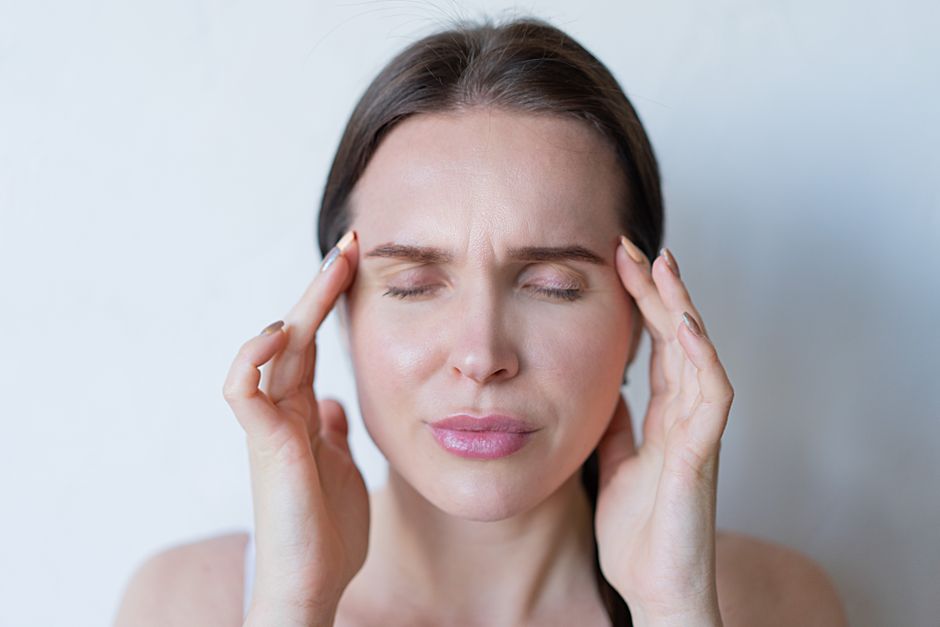
Yes, stress can cause discomfort in the chest. The link between emotional stress and physical chest sensations is well established in medicine. Stress triggers real physiological changes — muscle tension, faster breathing, and a surge of stress hormones — that can produce tightness, pressure, or aching in the chest. These symptoms are genuine, not imagined.
That said, chest discomfort is also a classic warning sign of a heart attack. Because the two can feel similar, any new or unexplained chest pain deserves prompt medical attention. This article explains how stress produces chest discomfort, how it differs from cardiac pain, and when to seek emergency care.
How Does Stress Cause Discomfort In Chest?
Stress activates the body’s “fight or flight” response. The brain signals the adrenal glands to release hormones including adrenaline and cortisol. These hormones prepare the body to respond to a threat — heart rate rises, breathing quickens, and muscles tense.
That response is designed to be short-lived. When stress becomes chronic, the body stays in a heightened state, and that sustained activation can produce physical symptoms in the chest.
Several mechanisms are involved:
- Muscle tension. Stress commonly causes the muscles of the chest wall, neck, and shoulders to tighten. Sustained contraction can feel like aching, pressure, or a dull tightness.
- Rapid breathing. Anxiety often leads to faster, shallower breathing. This can strain the muscles between the ribs and around the chest.
- Acid reflux. Stress can worsen gastroesophageal reflux, where stomach acid rises into the esophagus. This produces a burning sensation behind the breastbone that can closely mimic heart pain.
- Heightened pain perception. Chronic stress can lower the threshold at which the brain registers discomfort, so sensations that would normally go unnoticed become noticeable.
These effects are physiological, not psychological in the dismissive sense. The discomfort is real and measurable, even when the underlying trigger is emotional.
What Does Stress-Related Chest Discomfort Feel Like?
Stress-related chest discomfort tends to have certain qualities, though no description can reliably separate it from cardiac pain on its own.
People commonly describe it as:
- A dull ache or tightness rather than a sharp, stabbing pain
- Discomfort that shifts location or comes and goes
- Sensations that worsen with deep breaths, certain movements, or pressing on the chest wall
- A feeling of a “band” around the chest
- Associated symptoms like a racing heart, sweating, or a lump in the throat
One important point: the quality of the sensation is not a reliable way to tell stress from a heart problem. Heart attacks can feel like pressure, tightness, or indigestion. Anxiety can feel like crushing chest pain. The two overlap far more than most people assume.
When the discomfort follows an obvious emotional trigger — a panic attack, an argument, a moment of acute fear — stress is a reasonable explanation. But that reasoning alone should never be used to rule out a cardiac cause without medical evaluation.
How Can You Tell Stress Chest Pain From Heart Pain?
You often cannot tell the difference on your own, and that is the honest answer most clinicians give. Certain patterns are more common in one or the other, but none are definitive.
Cardiac chest pain is more often associated with:
- Pressure, squeezing, or heaviness in the center of the chest
- Pain that radiates to the arm, jaw, neck, or back
- Discomfort brought on by physical exertion and relieved by rest
- Shortness of breath, cold sweat, nausea, or lightheadedness
- Symptoms that come on suddenly without an emotional trigger
Stress-related chest discomfort is more often associated with:
- Aches that change with position or breathing
- Tenderness when the chest wall is pressed
- Symptoms that peak during moments of anxiety and ease when calm returns
- Numbness or tingling in the hands or around the mouth
- A history of anxiety or panic attacks
If there is any doubt, treat it as a medical emergency. Emergency departments would rather evaluate a stress-related symptom than miss a heart attack. Time matters enormously in cardiac care, and no one should talk themselves out of seeking help.



When Should You Seek Emergency Care?
Call 911 for chest discomfort that is new, severe, or accompanied by any of the following:
- Pressure, squeezing, or heaviness in the chest lasting more than a few minutes
- Pain spreading to the arm, jaw, neck, shoulder, or back
- Shortness of breath
- Cold sweat, nausea, or vomiting
- Lightheadedness, fainting, or a sense of doom
- Discomfort that does not improve with rest
Do not drive yourself to the hospital. Do not wait to see if it passes. Emergency care is warranted even if you believe the cause is stress, because the stakes of being wrong are too high.
If your chest discomfort is mild, recurring, and clearly linked to anxiety, it still deserves a medical conversation. A clinician can assess your heart health, rule out other causes, and help you address the underlying stress.
Can Anxiety and Panic Attacks Cause Chest Pain?
Yes. Chest pain is one of the most common physical symptoms of panic attacks. A panic attack involves a sudden surge of intense fear that triggers the full fight-or-flight response within minutes.
During a panic attack, people often experience:
- Chest tightness or pressure
- A racing or pounding heart
- Shortness of breath or a feeling of suffocation
- Dizziness, trembling, or sweating
- A fear of losing control or dying
The overlap with heart attack symptoms is striking. This is why panic attacks are frequently mistaken for cardiac events, and why cardiac events are sometimes dismissed as panic. Only a medical evaluation can sort out which is which, especially the first time it happens.
Panic attacks are treatable. Cognitive behavioral therapy and, in some cases, medication can substantially reduce their frequency and intensity. If you experience recurring panic attacks, speaking with a mental health professional is a reasonable and often effective step.
What Other Conditions Cause Chest Discomfort?
Stress is only one possible cause. Chest discomfort can arise from many sources, and several are serious.
Other common causes include:
- Gastroesophageal reflux disease (GERD). Acid reflux produces a burning sensation behind the breastbone that can mimic cardiac pain.
- Costochondritis. Inflammation of the cartilage connecting the ribs to the breastbone causes sharp chest pain that worsens with breathing or pressing on the area.
- Muscle strain. Pulled chest or rib muscles from exercise, coughing, or heavy lifting.
- Pleurisy. Inflammation of the lining around the lungs, often causing sharp pain with breathing.
- Gallbladder or pancreas problems. These can refer pain to the chest.
- Heart conditions. Angina, heart attack, pericarditis, and aortic issues all cause chest discomfort.
- Lung conditions. Pulmonary embolism and pneumonia can present with chest pain.
Because the list is long and includes life-threatening conditions, chest discomfort should never be self-diagnosed. A clinician can use history, examination, an electrocardiogram, blood tests, and imaging to narrow down the cause.
How Can You Manage Stress-Related Chest Discomfort?
If a clinician has confirmed that stress is the cause, addressing the stress itself is the most direct path to relief. Approaches with reasonable evidence include:
- Slow, diaphragmatic breathing. Deliberately slowing the breath activates the parasympathetic nervous system, which counteracts the stress response.
- Regular physical activity. Exercise reduces stress hormones and improves mood. It also strengthens the heart and lungs.
- Cognitive behavioral therapy. CBT has strong evidence for anxiety disorders and panic disorder.
- Mindfulness and relaxation practices. These can reduce the frequency and intensity of stress reactions for many people.
- Adequate sleep. Poor sleep amplifies stress reactivity.
- Limiting caffeine and alcohol. Both can trigger or worsen anxiety symptoms, including chest sensations.
If stress is severe or persistent, professional mental health support is worth pursuing. Therapy and, when appropriate, medication can make a meaningful difference. There is no need to manage significant anxiety alone.
One clarification worth making: reducing stress does not guarantee that chest discomfort will disappear. If symptoms persist, change, or worsen, they need medical evaluation regardless of how clear the stress link seems.
Frequently Asked Questions
Can stress really cause chest pain?
Yes. Stress triggers muscle tension, rapid breathing, acid reflux, and heightened pain perception, all of which can produce real chest discomfort. The symptoms are physical, not imagined.
How do I know if my chest pain is from stress or my heart?
You often cannot tell on your own, because the symptoms overlap significantly. Any new, severe, or unexplained chest pain should be evaluated by a medical professional, especially if it comes with shortness of breath, sweating, or pain radiating to the arm or jaw.
When should I go to the emergency room for chest discomfort?
Go immediately, or call 911, if the discomfort is new, lasts more than a few minutes, feels like pressure or squeezing, or is accompanied by shortness of breath, cold sweat, nausea, or pain spreading to the arm, jaw, or back. Do not drive yourself.
Can anxiety cause chest tightness without a heart problem?
Yes. Anxiety commonly causes chest tightness through muscle tension and rapid breathing, even when the heart is healthy. A clinician can confirm this by ruling out cardiac causes.
