
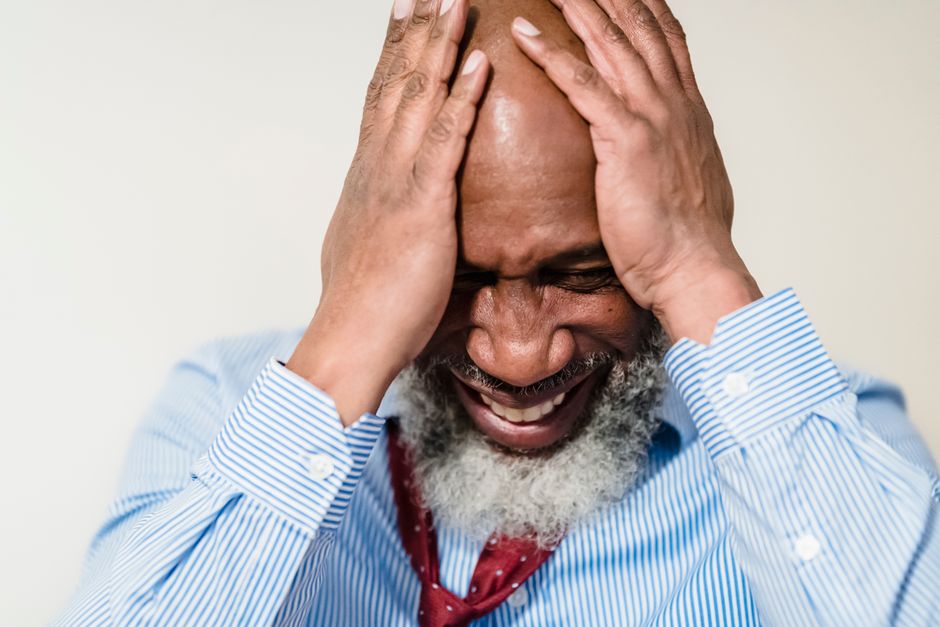
Yes, stress and anxiety can cause you to lose weight. It is not rare. Many people notice their clothes fit differently during a stressful period. But the way it happens varies from person to person.
Some people lose a few pounds. Others lose more. And some people gain weight from stress instead. The answer depends on your body, your brain, and how you react to pressure.
How Stress and Anxiety Affect Your Body Weight
Stress and anxiety trigger the fight-or-flight response. This is your body’s emergency system. It releases hormones like adrenaline and cortisol. These hormones prepare you to run or fight. During this state, digestion slows down or stops. Your appetite can disappear entirely.
Short bursts of stress may cause you to skip a meal or two. But chronic stress keeps the system switched on. Over weeks or months, your body stays in a state of high alert. This can lead to ongoing appetite loss and unintentional weight loss.
The stress hormone cortisol also affects how your body stores fat. In some people, cortisol increases appetite and leads to weight gain. In others, it suppresses appetite. This is one reason the effect of stress on weight is not the same for everyone.
Anxiety itself can make eating difficult. Nausea, stomach pain, and a tight feeling in the throat are common symptoms. Many people with anxiety report that they simply forget to eat. Others find eating unpleasant because of physical discomfort.
Can Stress and Anxiety Cause You to Lose Weight?
Yes, this happens often. The medical term for it is stress-induced weight loss. It is especially common during major life changes like a divorce, job loss, or the death of a loved one. People with generalized anxiety disorder or panic disorder also report weight changes.
One study in the journal Psychosomatic Medicine found that people with high levels of chronic stress had higher resting energy expenditure. That means they burned more calories at rest. This could contribute to weight loss even without a change in eating habits.
But appetite loss is the primary driver. When you are anxious, your brain tells your body to focus on survival, not on eating. This biological response can override your usual hunger cues.
For some people, the weight loss is mild and temporary. For others, it can become significant. The difference often depends on the duration and intensity of the stress or anxiety.
How Much Weight Loss From Stress Is Too Much?
Doctors generally consider unintentional weight loss of more than 5 percent of your body weight in six to twelve months as a reason to seek medical advice. For a 150-pound person, that is about 7.5 pounds.
Losing weight without trying can be a sign of an underlying medical condition. Stress and anxiety are possible causes, but they are not the only ones. Other conditions like thyroid disorders, diabetes, depression, and certain infections can also cause weight loss.
If you lose weight rapidly or steadily without changing your diet or exercise habits, it is worth a conversation with your doctor. They can run simple tests to rule out other causes.





Why Some People Gain Weight From Stress Instead
Not everyone loses weight from stress. In fact, many people gain weight. The reason lies in how your brain handles cortisol.
For some, cortisol triggers cravings for high-calorie foods like sugar and fat. This is sometimes called “stress eating.” Eating these foods may temporarily calm the brain by releasing dopamine and serotonin. Over time, this can lead to weight gain.
Other factors include sleep disruption and low energy. Poor sleep affects hormones that regulate appetite, including ghrelin and leptin. Ghrelin increases hunger. Leptin signals fullness. When sleep is poor, ghrelin rises and leptin falls, making you feel hungrier.
So the same stressor causes opposite weight changes in different people. Genetics, personality, and past experiences all play a role.
Signs That Stress or Anxiety Is the Reason for Weight Loss
If you are losing weight and you also notice other symptoms of stress or anxiety, the connection is more likely. These symptoms include:
- Constant worry or a racing mind
- Difficulty sleeping
- Muscle tension or headaches
- Irritability or restlessness
- Nausea or digestive problems
- Loss of interest in food
But keep in mind that weight loss can happen without obvious anxiety. Some people are so used to living with chronic stress that they do not realize it is affecting them.
When to See a Doctor
You should talk to a doctor if:
- You lose more than 5 percent of your body weight in six months without trying
- The weight loss continues even after the stressor is gone
- You have other symptoms like fatigue, fever, or night sweats
- You are unable to eat because of nausea or stomach pain
- Your anxiety or stress feels overwhelming and affects your daily life
A doctor can check your thyroid, blood sugar, and other markers. They can also refer you to a mental health professional if anxiety or depression is involved.
What You Can Do to Manage Weight Loss From Stress
If stress is causing you to lose weight, the first step is to address the stress itself. That does not mean eliminating stress from your life entirely. It means finding ways to manage it better.
Regular physical activity helps lower stress hormones and improve appetite. Even a short walk can help. Eating small, frequent meals may be easier than three large ones. Choose nutrient-dense foods like nuts, eggs, yogurt, and avocados. These pack more calories and nutrients into smaller portions.
Sleep is important. Poor sleep worsens anxiety and appetite loss. Aim for seven to nine hours per night. If sleep is difficult, a consistent bedtime routine can help.
Talking to a therapist or counselor is another effective strategy. Cognitive behavioral therapy (CBT) is particularly well studied for anxiety. Many people find that their appetite returns once their anxiety is under control.
Supplements are not a substitute for treatment. The evidence is limited for most natural products. Some research suggests that magnesium or B vitamins may help with anxiety symptoms, but no supplement has been proven to reverse stress-related weight loss.
How Long Does Stress-Related Weight Loss Last?
For most people, weight loss continues only as long as the stressor lasts. Once the stressful situation ends or you learn to manage it better, appetite often returns and weight stabilizes.
But if anxiety is untreated, the weight loss can persist for months or years. This is more common in people with chronic anxiety disorders. In such cases, treating the anxiety is necessary for weight to normalize.
It is also possible to regain weight quickly once you start eating normally again. This is not a problem unless the weight loss was severe. If you have lost a significant amount, it is best to work with a doctor or dietitian to regain weight safely.
Frequently Asked Questions
Can stress and anxiety cause you to lose weight without trying?
Yes, they can. The body’s stress response often suppresses appetite and increases metabolism, leading to unintentional weight loss.
How much weight loss from stress is considered unhealthy?
Losing more than 5 percent of your body weight within six months without intending to is a reason to see a doctor.
Does stress weight loss come back after the stress is gone?
For most people, yes. Appetite and weight usually stabilize once the stressor resolves, as long as no other underlying condition is present.
Can anxiety make you lose weight even if you eat normally?
It is possible. Anxiety can increase your resting metabolic rate, so you may burn more calories than usual even without changing your diet.
