
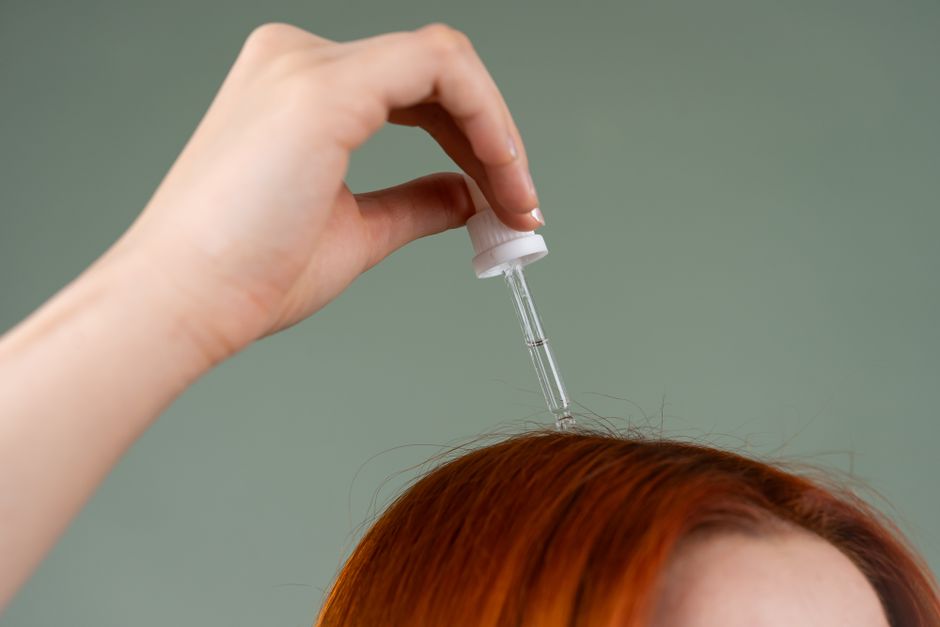
Spironolactone is a medication best known as a water pill, but it is also prescribed for hormonal acne and hair loss in women. It is a common and understandable worry that a medication used to treat hair loss might actually cause it. The short answer is that hair loss is not a typical side effect of spironolactone, though it can happen in specific situations. This article explains how the drug works, when shedding might occur, and what the evidence actually shows.
How Does Spironolactone Work for Hair Loss?
Spironolactone blocks androgens, which are male hormones like testosterone. In some women, hair follicles are sensitive to these hormones. This sensitivity can cause hair on the scalp to thin while hair on the face or body becomes coarser.
By blocking androgen receptors, spironolactone reduces that hormonal effect on the scalp. This is why it is prescribed off-label for female pattern hair loss, a condition also called androgenetic alopecia. It is not approved by the FDA specifically for hair loss, but dermatologists have used it for this purpose for decades.
The medication does not stop the body from making androgens. It stops the follicles from responding to them as strongly. This is a key distinction because it changes what side effects are biologically possible.
Can Spironolactone Cause Hair Loss?
Hair loss is not listed as a standard side effect of spironolactone in clinical use. The medication is more commonly associated with hair growth, not hair shedding. However, some patients do report increased shedding when they start the medication or when they stop it.
There are two main situations where this occurs. The first is a temporary shed called telogen effluvium. Any significant change to the body, including starting a new medication, can push hair follicles into a resting phase. After a few months, those hairs fall out all at once. This is a stress response, not a direct toxic effect on the hair follicle.
The second situation is stopping the medication abruptly. When spironolactone is removed, androgen receptors are no longer blocked. Hair follicles that were protected may suddenly be exposed to the same hormonal environment that caused thinning originally. This can look like the drug caused hair loss, but it is actually the underlying condition returning.
Another possibility is that the person does not actually have androgen-driven hair loss. If the hair loss is caused by something else, such as iron deficiency or thyroid disease, spironolactone will not fix it. The hair loss continues, and the medication gets blamed.
What Does the Research Show?
Clinical studies on spironolactone for female hair loss generally report positive results. Most research focuses on whether the drug improves hair density and slows thinning. Shedding as a side effect is rarely reported in these trials.
Some research suggests that a small percentage of women experience increased shedding in the first few months of treatment. This is consistent with a telogen effluvium response. It is generally temporary and does not mean the drug is failing or damaging the hair.
It is important to distinguish between shedding and permanent hair loss. Telogen effluvium is reversible. The hair grows back once the body adjusts to the medication. True drug-induced hair loss that is permanent is extremely rare with spironolactone and would be an unusual clinical finding.
The evidence base is limited by the fact that most studies are small and observational. There are no massive randomized trials comparing spironolactone to placebo for hair loss. That said, the decades of clinical use provide a strong picture of what to expect.





How Long Does It Take to See Results?
Spironolactone does not work quickly. Hair grows in cycles, and it takes time for the medication to change the hormonal environment around the follicle. Most dermatologists advise patients to wait at least six months before judging whether the drug is working.
Full results, if they occur, are usually visible at the twelve-month mark. At that point, a patient should see reduced shedding and possibly improved density. If there is no improvement after a year, the medication may not be the right choice for that individual.
If a patient experiences increased shedding in the first month or two, that is not a reason to panic. It is also not a reason to stop the medication without speaking to a doctor. Stopping early means the hair never gets a chance to respond to the treatment.
Patience is genuinely required here. This is not a medication that produces visible changes in weeks. Anyone expecting fast results will be disappointed.
What Else Causes Hair Loss in Women?
Hair loss in women has many causes beyond hormones. Iron deficiency is one of the most common and easily treatable. Low ferritin levels, which reflect stored iron, can cause diffuse thinning even when a blood count is normal.
Thyroid disorders are another major cause. Both an underactive and overactive thyroid can disrupt the hair growth cycle. A simple blood test can rule this out.
Stress, rapid weight loss, and illness can all trigger telogen effluvium. This type of hair loss typically appears two to three months after the triggering event. It is diffuse, meaning the hair thins all over the scalp rather than in one pattern.
Certain hairstyles that pull on the roots, called traction alopecia, cause hair loss along the hairline. This is mechanical, not hormonal, and spironolactone will not help.
Before starting spironolactone, a doctor should run basic blood work. This includes iron studies, thyroid function, and possibly vitamin D levels. Treating the wrong cause wastes months of time.
Are There Other Side Effects to Know About?
Spironolactone has side effects that are more common than hair loss. These are important to understand before starting the medication.
The most significant risk is elevated potassium levels. Spironolactone causes the kidneys to hold onto potassium. High potassium can cause dangerous heart rhythm problems. Because of this, regular blood tests are required while taking the medication.
Other common side effects include breast tenderness, irregular menstrual periods, and dizziness from low blood pressure. Some women find these effects intolerable and stop the medication. These side effects are dose-dependent, meaning higher doses cause more issues.
Spironolactone can also cause dehydration, especially in hot weather or during intense exercise. Because it is a diuretic, it increases urine output. Anyone taking this medication needs to stay well hydrated.
Spironolactone is not safe during pregnancy. It can cause birth defects in a developing male fetus. Women who can become pregnant need reliable contraception while taking this drug.
When Should You Talk to Your Doctor?
Anyone considering spironolactone for hair loss should have a full evaluation first. This means seeing a dermatologist or another qualified physician. A proper diagnosis is essential before starting any treatment.
If you are already taking spironolactone and notice increased shedding, mention it to your doctor. They can help determine whether this is a temporary adjustment period or something else. Do not stop the medication on your own, especially without discussing the risks of stopping.
Sudden, patchy hair loss is different from gradual thinning. Patchy hair loss may indicate alopecia areata, an autoimmune condition. Spironolactone is not the treatment for this, and a doctor should evaluate it separately.
If hair loss is accompanied by other symptoms like fatigue, weight changes, or irregular periods, this points to a systemic issue. Hormonal hair loss rarely comes alone. These additional symptoms deserve medical attention.
Regular blood tests are non-negotiable while on spironolactone. Potassium levels and kidney function should be checked periodically. This is not optional, and skipping these tests is genuinely dangerous.
What Are the Alternatives to Spironolactone?
Spironolactone is not the only option for hormonal hair loss in women. Minoxidil, sold under the brand name Rogaine, is approved by the FDA for female pattern hair loss. It is applied directly to the scalp and works by stimulating hair follicles.
Minoxidil can be used alone or combined with spironolactone. Many dermatologists recommend both because they work through different mechanisms. Minoxidil stimulates growth while spironolactone blocks androgens.
Low-level laser therapy is another option. Devices like laser combs and caps emit red light that may stimulate hair follicles. The evidence is modest but positive, and the devices are generally safe.
Topical anti-androgens are an emerging area of research. These are applied directly to the scalp and may have fewer systemic side effects than oral spironolactone. However, they are not yet widely available or approved.
Hair transplant surgery is an option for women with advanced thinning, but it is expensive and invasive. It is typically considered only after medical treatments have been tried.
No treatment works for everyone. Some women respond well to spironolactone, others do not. This variability is normal and does not reflect on the quality of the medication or the patient.
Frequently Asked Questions
Does spironolactone cause hair loss at the start of treatment?
Some women experience temporary shedding in the first few months, known as telogen effluvium. This is a stress response to the medication and is usually not permanent.
Can stopping spironolactone cause hair loss?
Yes, stopping the medication abruptly can cause hair loss because the underlying hormonal condition returns. This is not a new side effect but a return of the original problem.
How long does spironolactone take to stop hair loss?
Most women need to take spironolactone for at least six months before seeing reduced shedding. Full results are typically assessed at the twelve-month mark.
Is hair loss from spironolactone permanent?
Hair loss directly caused by spironolactone is rare and typically temporary. Permanent hair loss from this medication is not a well-documented outcome in the medical literature.
