
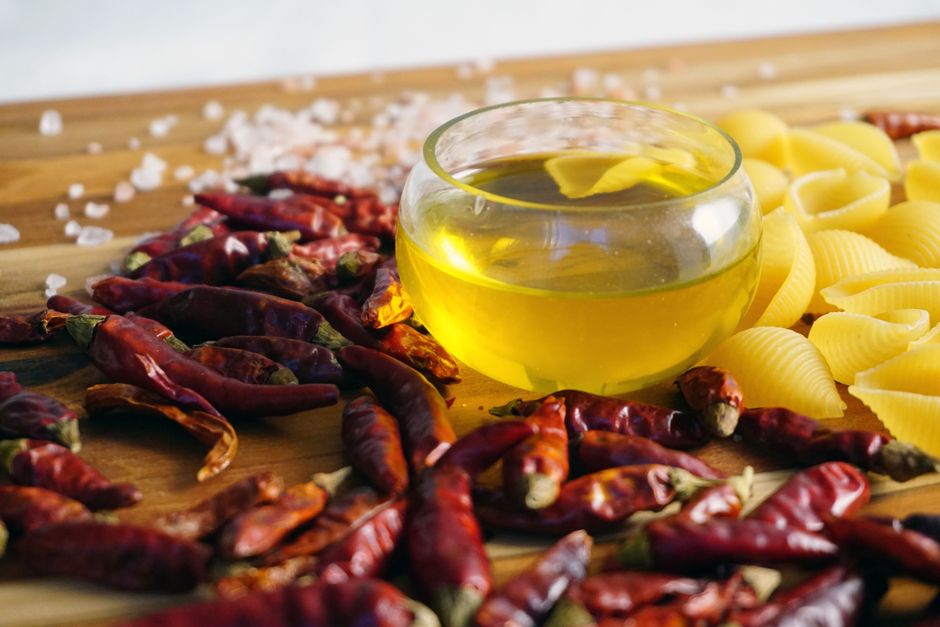
Spicy food gets blamed for a lot of things, and acne is near the top of the list. The short answer is that spicy food does not directly cause acne. Acne forms when hair follicles become clogged with oil and dead skin cells. However, spicy food can trigger a chain reaction in your body that may make existing acne worse or cause a flare-up in someone prone to breakouts. The connection is real, but it is indirect.
Can Spicy Food Cause Acne The Real Connection
The link between spicy food and acne is not about the spice itself. It is about how your body reacts to it. When you eat a hot pepper or a spicy curry, your body heats up. This triggers sweating and increases blood flow to the skin. For some people, this response can irritate the skin and create conditions where acne is more likely to appear.
The key distinction is that spicy food does not create acne from nowhere. It can make an underlying problem worse. If your skin already produces excess oil or if you have a tendency toward clogged pores, a spicy meal could push that system over the edge.
How Spicy Food Affects Your Skin
Capsaicin is the compound that gives chili peppers their heat. When you eat it, your body releases a chemical called substance P. This chemical sends pain signals to your brain and also affects your skin. Research indicates that substance P can increase oil production in the skin and trigger inflammation.
This is why some people notice a breakout a day or two after eating a very spicy meal. The oil production ramps up, and if that oil gets trapped in a pore, a pimple forms. The inflammation from substance P can also make existing pimples redder and more swollen than they would otherwise be.
Sweating plays a role too. Spicy food makes you sweat, and sweat mixed with oil and dead skin cells can clog pores. This is especially true if you do not wash your face soon after a sweaty meal. The physical act of sweating is not the root cause of acne, but it can contribute to blockage in someone already prone to breakouts.
Does Everyone Who Eats Spicy Food Get Acne
No. Most people can eat spicy food without any skin changes at all. Acne is a multifactorial condition, meaning many things have to line up for a pimple to form. Genetics, hormones, stress, and skincare habits all play a larger role than diet alone.
If you have never had acne in your life, a spicy meal is very unlikely to cause your first breakout. The effect is most noticeable in people who already have acne or who are prone to it. For those individuals, spicy food can be a trigger that makes breakouts more frequent or more severe.
This is similar to how chocolate and dairy work. Some studies suggest these foods may worsen acne in certain people, but they do not cause acne in everyone. The same logic applies to spicy food.





Other Foods That Can Trigger Breakouts
Spicy food is not the only dietary factor linked to acne. Research has examined several foods for their potential to worsen breakouts. The evidence is strongest for foods that raise blood sugar quickly.
- High-glycemic foods like white bread, sugary drinks, and refined carbohydrates can cause insulin spikes, which may increase oil production.
- Dairy products, particularly skim milk, have been associated with acne in some studies, though the evidence is not definitive.
- Whey protein supplements may trigger breakouts in some people due to their effect on insulin and hormones.
- Greasy or fried foods do not directly cause acne, but oil from cooking can come into contact with the skin and contribute to clogged pores.
The common thread is that all of these affect hormones or inflammation in some way. Spicy food fits into this picture through its effect on substance P and inflammation rather than through blood sugar or hormones.
What the Research Actually Shows
The scientific evidence on spicy food and acne is limited. Most research has focused on other dietary factors like dairy and glycemic load. The studies that do examine spicy food tend to show a weak or inconsistent connection.
One thing researchers agree on is that diet is not the primary cause of acne. Hormones and genetics are the main drivers. Diet can influence the severity and frequency of breakouts in some people, but it is rarely the sole trigger.
Some research suggests that people who eat more spicy food also tend to eat more processed food and sugar. This makes it hard to separate the effect of spice from the effect of the overall diet. The inflammation from capsaicin is real, but its impact on acne is likely modest for most people.
How to Tell if Spicy Food Is Causing Your Breakouts
The best way to figure out if spicy food affects your skin is to test it yourself. This is called an elimination and rechallenge approach. It is simple but requires discipline.
Start by removing spicy food from your diet for two to three weeks. During this time, keep your skincare routine exactly the same. Do not add new products or change how often you wash your face. The goal is to isolate one variable at a time.
If your skin improves during this period, reintroduce spicy food for a few days. If you notice a breakout within 24 to 48 hours, there is a good chance you are sensitive to it. If nothing changes, spicy food is probably not a significant trigger for your acne.
Keep in mind that acne has a delayed onset. A pimple you see today may have started forming weeks ago. This makes it hard to pinpoint exactly what caused it. A food diary can help you track patterns over time.
Practical Tips for Managing Spice-Related Flare-Ups
If you suspect spicy food is making your acne worse, you do not necessarily have to give it up completely. There are ways to reduce the impact while still enjoying the foods you like.
Wash your face soon after eating a spicy meal. This removes sweat and oil before they have a chance to clog pores. Use a gentle cleanser rather than a harsh one that strips the skin of its natural moisture.
Stay hydrated. Drinking water during and after a spicy meal can help cool your body down and reduce the intensity of the sweat response. This is not a cure for acne, but it can lessen the physical reaction to the spice.
Pay attention to what you eat alongside the spicy food. A spicy meal that is also high in sugar or refined carbs may be more likely to trigger a breakout than a spicy meal with balanced protein and vegetables. The overall meal composition matters as much as the spice itself.
When to See a Dermatologist
If your acne is persistent, painful, or leaving scars, do not rely on dietary changes alone. A dermatologist can help you identify the best treatment plan based on your specific skin type and acne severity.
Over-the-counter treatments containing benzoyl peroxide or salicylic acid are effective for mild acne. Prescription options like topical retinoids or antibiotics are reserved for more stubborn cases. These treatments address the root causes of acne directly, rather than working around dietary triggers.
Every person’s skin is different. What works for one person may not work for another. A dermatologist can help you sort through the options and find what works for you.
Frequently Asked Questions
Can eating spicy food cause acne to appear overnight?
No, acne takes days to form beneath the skin. A pimple you notice the day after eating spicy food likely began developing long before that meal.
Does cutting out spicy food clear up acne completely?
No, removing spicy food from your diet may reduce flare-ups if you are sensitive to it, but it will not cure acne caused by hormones or genetics.
Are hot peppers worse for acne than mild spices?
Hot peppers contain more capsaicin, which triggers a stronger inflammatory response in the body. This may make them more likely to worsen acne than milder spices, but individual sensitivity varies.
Can spicy food cause acne on the body, not just the face?
Yes, the same mechanism applies anywhere you have oil glands. Back acne and chest acne can be affected by the same inflammatory response triggered by capsaicin.
