
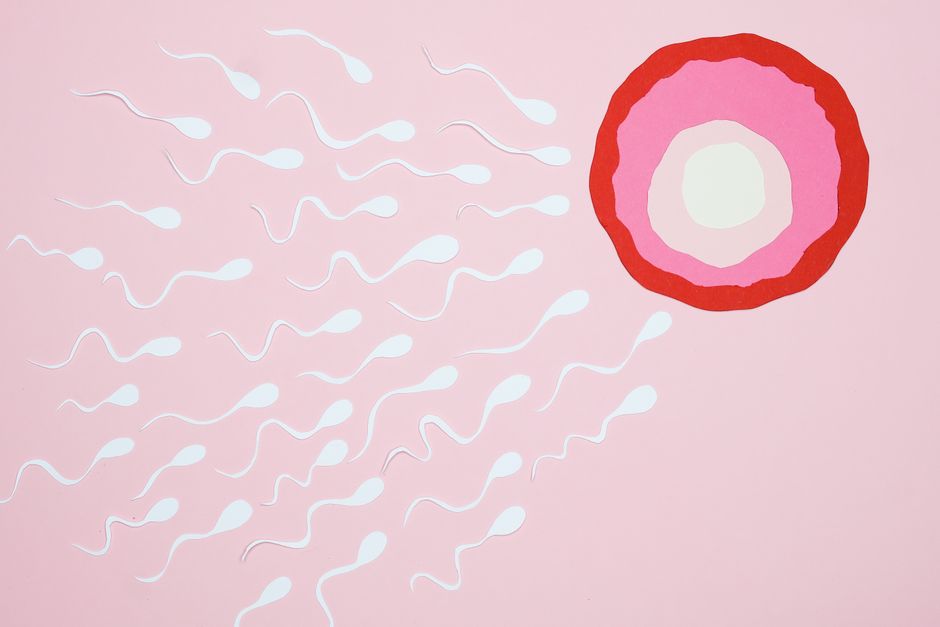
Sperm can live in your mouth, but only for a very short time. Once semen enters the mouth, sperm cells are exposed to saliva, body temperature, and swallowing. Most lose motility quickly, and they cannot travel from the mouth to the stomach and then into the reproductive tract. There is no pathway for sperm in the mouth to cause pregnancy.
The bigger question people are really asking is usually about risk. What happens to sperm in the mouth matters less for fertility than it does for understanding sexually transmitted infections (STIs). That part is well established and worth knowing clearly.
Can Sperm Live In Your Mouth What Actually Happens?
Sperm are fragile cells built for one environment: the warm, alkaline fluid of the reproductive tract. The mouth is a different environment entirely, and it works against them.
Saliva contains enzymes and has a different pH and consistency than semen. Sperm that land in the mouth lose motility fast. Some can remain alive briefly in semen that has not mixed with much saliva, but they do not survive long once saliva is involved. There is no reliable window in which mouth-to-genital contact could carry live sperm to the vagina and cause pregnancy.
After swallowing, anything in the mouth moves into the stomach. Stomach acid is highly acidic and breaks down cells and proteins. Nothing that is swallowed reaches the uterus. The digestive tract and the reproductive tract are separate systems with no connecting route.
Can You Get Pregnant From Sperm in Your Mouth?
No. Pregnancy from oral sex is not possible. This is one of the clearest facts in sexual health.
For pregnancy to occur, sperm need to reach an egg in the reproductive tract. Sperm in the mouth never get there. Swallowing does not change this. Stomach acid destroys sperm, and the digestive system does not connect to the uterus.
The one realistic pregnancy risk in this area is indirect. If semen or pre-ejaculate gets on hands or fingers and is then transferred to the vulva or vagina soon afterward, pregnancy is theoretically possible. Sperm are fragile outside the body, and this kind of transfer is an unlikely route, but it is the only one worth thinking about. Semen that stays in the mouth poses no pregnancy risk at all.
Is Swallowing Semen Safe?
Swallowing semen is generally not harmful in itself. Semen is mostly water with proteins, sugars, and other compounds. The stomach handles it like any other fluid.
The real concern is infection, not the semen. Many STIs can be passed through oral sex, and some can be passed to the person performing oral sex. The risk depends on whether either partner has an infection, not on swallowing versus not swallowing.
Some infections are more strongly linked to oral sex than others. Gonorrhea, chlamydia, syphilis, herpes, and human papillomavirus (HPV) can all be transmitted through oral contact with the genitals. HIV transmission through oral sex is possible but considered much lower risk than through anal or vaginal sex, and it is affected by factors like mouth sores, gum disease, and whether semen is present. The evidence here is not uniform across infections, so it is worth being specific rather than treating “oral sex” as one risk level.
One clarification that often gets lost: swallowing does not meaningfully change STI risk compared with having semen in the mouth and then spitting it out. The exposure happens at the mouth and throat either way. What matters is contact with infected fluids and skin, not what happens afterward.
What STIs Can You Get From Oral Sex?
Oral sex can transmit several infections in both directions. The mouth and throat can be a site of infection, and infections in the mouth can then be passed to a partner’s genitals.
Infections commonly linked to oral sex include:
- Gonorrhea — can infect the throat and is often silent there, meaning no symptoms
- Chlamydia — can infect the throat, though this is less commonly detected than genital infection
- Syphilis — causes painless sores (chancres) that can appear on the mouth, lips, or genitals and make transmission easier
- Herpes — HSV-1 and HSV-2 can both cause oral and genital sores and can be passed during oral sex
- HPV — linked to genital warts and, over time, to some throat and mouth cancers
- HIV — possible but lower risk through oral sex than other routes
Throat infections are easy to miss because they often cause no symptoms. A person can carry gonorrhea or chlamydia in the throat without knowing it. Standard STI testing does not always include a throat swab unless it is specifically requested, which is a detail many people do not realize. If you are concerned about exposure, tell your clinician what kind of contact occurred so the right sites get tested.
Does Saliva Kill Sperm?
Saliva damages sperm. It is not a perfect spermicide, but it works against them.
Saliva contains enzymes and has a different chemical makeup than the fluid sperm are adapted to. Studies have looked at saliva’s effect on sperm motility, and the general finding is that motility drops after contact with saliva. Sperm do not thrive in the mouth the way they do in the reproductive tract.
This is also why saliva is a poor lubricant for anyone trying to conceive. Using saliva during sex lowers sperm motility compared with commercial lubricants designed to be sperm-friendly. If pregnancy is the goal, that detail matters more than most people expect. It is a small, practical point that does not get mentioned often.
Are There Other Health Concerns With Oral Sex?
Beyond STIs, there are a few practical health points worth knowing. None of them are reasons to panic, but they are real.
Bacteria from the mouth can occasionally cause irritation or infection in the genital area, and genital bacteria can do the same in the mouth. Good hygiene reduces but does not eliminate this. Small cuts, gum disease, and mouth sores can make it easier for infections to pass in either direction, which is why oral health is part of sexual health.
HPV deserves its own mention. Some HPV types are linked to cancers of the throat and mouth, particularly oropharyngeal cancer. This link is well established. HPV vaccination is recommended for preteens and is also approved for many adults up to a certain age; the exact age range and catch-up guidance depends on current public health recommendations, so it is worth checking with a clinician rather than relying on memory.
Barrier methods reduce risk. Condoms and dental dams are not perfect, but they lower the chance of passing many infections. Regular STI testing and honest conversations with partners do the rest of the work.
What Should You Do If You Are Concerned?
If you have had oral sex and are worried about infection, get tested. Tell the clinician what kind of contact happened so they can test the right sites, including the throat if relevant.
Watch for symptoms like sores, unusual discharge, a sore throat that does not resolve, or pain. Many infections cause no symptoms at all, so testing matters more than symptom-watching. Most common STIs are treatable, and early treatment lowers complications.
On the pregnancy question, the answer is simple and does not require worry. Sperm in the mouth cannot cause pregnancy. The health questions worth your attention are about infection and prevention, and those have clear, practical answers.
Frequently Asked Questions
Can sperm live in your mouth for days?
No. Sperm in the mouth lose motility quickly and do not survive for days. Saliva and the mouth environment work against them, and any that are swallowed are broken down by stomach acid.
Can you get pregnant if you swallow sperm?
No. Swallowed sperm go to the stomach and are destroyed by acid, and the digestive tract does not connect to the uterus. Pregnancy from oral sex or swallowing is not possible.
Can you get an STI from oral sex if you swallow?
Yes, STIs can be passed through oral sex, and swallowing does not meaningfully change the risk compared with spitting. The exposure happens at the mouth and throat either way.
Does saliva kill sperm completely?
Saliva reduces sperm motility and damages sperm, but it is not a reliable spermicide. For pregnancy prevention, use condoms or another proven method rather than relying on saliva.
