
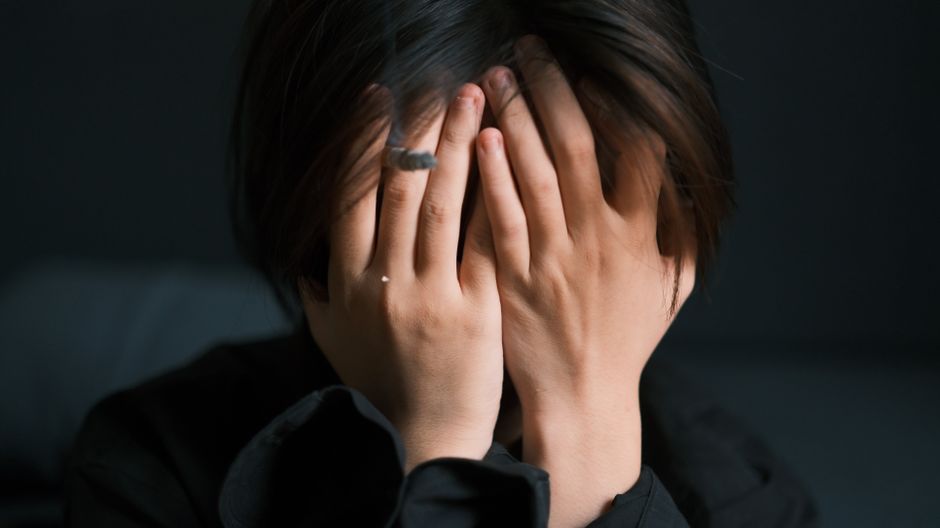
Many people who smoke say a cigarette calms them down. It is a common belief that smoking helps with anxiety. The short answer is no — smoking does not treat anxiety. It creates a cycle that makes anxiety worse over time. This article explains what the research actually says and what you can do instead.
Does smoking help anxiety in the moment?
Yes, some people feel calmer right after smoking. Nicotine reaches the brain in seconds. It triggers the release of dopamine, a chemical linked to pleasure and reward. This feels relaxing for a short time.
But that feeling does not last. Within minutes, the body starts to crave more nicotine. The relaxation you felt fades and is replaced by withdrawal symptoms. Those symptoms include irritability, restlessness, and increased tension. You end up smoking again just to feel normal.
Research published in the British Journal of Psychiatry found that smokers have higher rates of anxiety disorders than non-smokers. The temporary calm is not a real solution. It is a short-term fix that feeds a long-term problem.
What does research on smoking and anxiety show?
The evidence is consistent and clear. Smoking does not reduce anxiety. It causes it.
A large study from the CDC looked at data on over 200,000 adults. It found that people who smoke are about twice as likely to have an anxiety disorder compared to people who never smoked. The link is strong even when controlling for other factors like age, income, and alcohol use.
Other research has tracked people over time. A study in the Journal of Clinical Psychiatry followed young adults for ten years. Those who smoked heavily at the start were more likely to develop anxiety disorders later. The smoking came first, not the anxiety.
Some people report that smoking helps them focus or feel less overwhelmed. This is widely claimed though strong evidence is limited. What is more likely is that smoking relieves the anxiety caused by nicotine withdrawal itself. You are not treating the original stressor. You are treating the withdrawal from your last cigarette.
Why does the calming feeling happen if it is not real?
This is a trick the brain plays on itself. Nicotine binds to receptors in the brain and releases a flood of feel-good chemicals. The smoker feels a wave of relaxation. But this only works because the brain has already adapted to having nicotine. Without it, you feel worse.
Think of it like this. Imagine you are cold and someone gives you a blanket. You feel warm. That is real. Now imagine someone takes the blanket away and you get cold again. They give it back. You feel warm again. But you are not actually warmer than when you started. You are just back to where you were.
Smoking works the same way. The first cigarette of the day might feel like relief. But that relief is just ending the withdrawal that built up overnight. You are not less anxious than a non-smoker. You are just less anxious than you were five minutes ago when you needed a cigarette.
Some studies suggest that the act of taking deep breaths while smoking may contribute to the calming feeling. Deep breathing does lower stress. But you can get that same benefit from breathing exercises without the harmful chemicals.





What are the long-term effects of smoking on anxiety?
Over months and years, smoking makes anxiety worse. Here is what the research shows:
- Increased baseline anxiety. Smokers report higher daily anxiety levels than non-smokers. The brain becomes dependent on nicotine to regulate mood. Without it, anxiety spikes.
- Worse physical health. Smoking damages the lungs and heart. Poor physical health increases the risk of anxiety and depression. You cannot separate the two.
- Disrupted sleep. Nicotine is a stimulant. It interferes with sleep quality. Poor sleep is a known trigger for anxiety. A 2019 study in the journal Sleep found that smokers are 50% more likely to report insomnia than non-smokers.
- Financial stress. Smoking is expensive. The average smoker in the US spends over $2,000 per year on cigarettes. Financial worry adds to overall stress and anxiety.
The cycle is hard to break. You smoke to feel better in the moment. But smoking keeps you stuck in a state where you need to keep smoking to feel okay. This is not treatment. This is dependency.
How does quitting smoking affect anxiety?
Many people worry that quitting will make their anxiety worse. For the first few weeks, it often does. Nicotine withdrawal causes irritability, mood swings, and heightened anxiety. This is normal and temporary.
Research shows that within a few weeks to months, anxiety levels drop below where they were when you smoked. A study in the British Medical Journal followed smokers who quit. At one year, their anxiety scores were significantly lower than before they quit. The improvement was strongest in people who had a diagnosed anxiety disorder.
The American Cancer Society reports that people who quit smoking feel less stressed than they did when they smoked. The relief from not having to plan your day around cigarettes is real. You gain back time, money, and mental energy.
If you have a diagnosed anxiety disorder, quitting smoking does not replace professional treatment. It removes one factor that makes anxiety worse. It clears the way for other treatments like therapy or medication to work better.
Here is a comparison of how smoking and quitting affect anxiety over time:
| Timeframe | Smoking | Quitting |
|---|---|---|
| Immediate (minutes) | Temporary calm, then withdrawal | Possible intense craving and irritability |
| First week | Ongoing cycle of relief and withdrawal | Peak withdrawal anxiety |
| First month | No real improvement in baseline anxiety | Anxiety starts to drop |
| Three to six months | Anxiety may increase over time | Anxiety significantly lower than before |
| One year | Higher risk of anxiety disorders | Anxiety scores similar to non-smokers |
What are better ways to manage anxiety?
If you smoke to cope with anxiety, you are not alone. Many people do. But there are proven methods that work without the harm. These are backed by research and recommended by major health organizations.
Therapy. Cognitive behavioral therapy (CBT) is one of the most effective treatments for anxiety. It teaches you to recognize and change thought patterns that fuel anxiety. The American Psychological Association lists CBT as a first-line treatment. It works as well as medication for many people.
Exercise. Physical activity lowers stress hormones like cortisol and releases endorphins. A 2017 review in the journal Depression and Anxiety found that exercise reduces anxiety symptoms in both healthy people and those with diagnosed disorders. Even a 10-minute walk helps.
Breathing exercises. Slow, deep breathing activates the parasympathetic nervous system. This is the body’s rest-and-digest mode. It directly counters the fight-or-flight response that anxiety triggers. Try inhaling for four seconds, holding for four, and exhaling for six.
Mindfulness meditation. Mindfulness helps you observe anxious thoughts without getting caught up in them. A meta-analysis in JAMA Internal Medicine found that mindfulness programs reduce anxiety and depression. Apps like Headspace and Calm offer guided sessions.
Social support. Talking to a trusted friend or family member reduces the feeling of being alone with your anxiety. Isolation makes anxiety worse. Connection helps.
None of these are quick fixes like a cigarette. But they build real resilience over time. They treat the cause, not just the symptom.
Common misconceptions about smoking and anxiety
Many people believe things about smoking and anxiety that are not true. Here are a few of the most common ones.
“Smoking helps me think clearly.” Nicotine is a stimulant. It can improve focus for a few minutes. But regular use impairs cognitive function over time. A study in the journal Neuropsychopharmacology found that smokers perform worse on memory and attention tests than non-smokers. The temporary boost is not worth the long-term cost.
“I need cigarettes to handle stress.” Stress is a normal part of life. Smoking does not remove the stressor. It just numbs your reaction temporarily. Non-smokers handle stress every day without cigarettes. You can learn to do the same.
“It is too late to quit. The damage is done.” This is false. The body starts to repair itself within hours of the last cigarette. Blood pressure drops. Carbon monoxide levels normalize. The risk of heart attack starts to decrease after just one day. It is never too late to benefit.
“I will gain weight if I quit.” Some people do gain a small amount of weight after quitting. The average is about 5 to 10 pounds. But the health benefits of quitting smoking far outweigh the risks of modest weight gain. You can manage weight with diet and exercise.
Frequently Asked Questions
Can smoking help anxiety permanently?
No. Smoking only provides temporary relief from nicotine withdrawal. It does not treat anxiety and makes it worse over time.
Does nicotine itself cause anxiety?
Yes. Nicotine is a stimulant that increases heart rate and blood pressure, which can mimic or trigger anxiety symptoms.
Will my anxiety go away after I quit smoking?
It often improves significantly within a few weeks to months. If you have an anxiety disorder, quitting helps but professional treatment may still be needed.
What is the best way to quit smoking if I have anxiety?
Combining nicotine replacement therapy with counseling or CBT gives the best chance of success. Talk to your doctor about a plan that fits your needs.
