
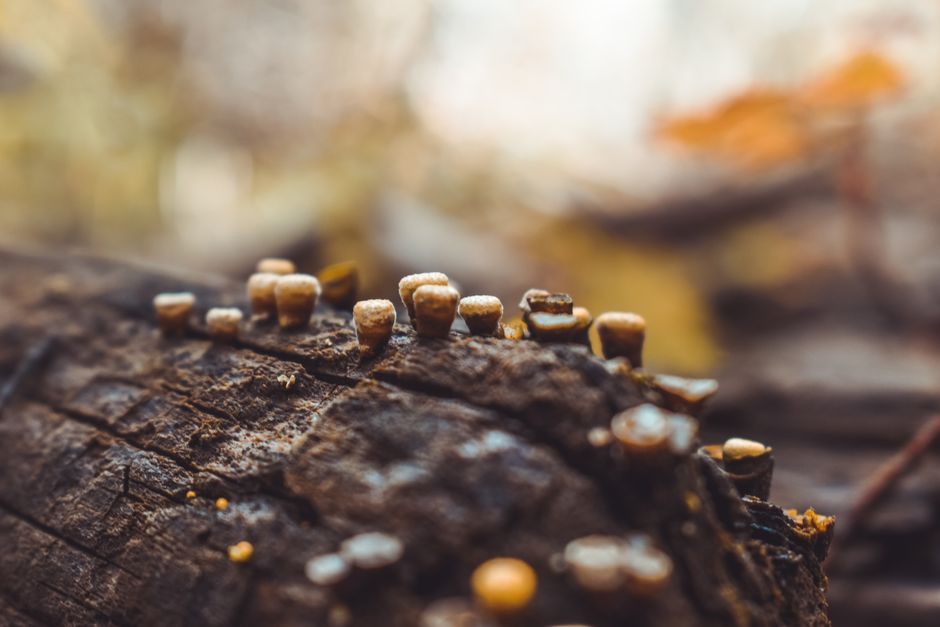
Yes, mushrooms can absolutely grow mold. In fact, mold contamination is one of the most common problems people run into when growing mushrooms at home. Mold thrives in the same warm, damp conditions that mushrooms need, so the two often compete for the same space. The good news is that mold is usually easy to spot early, and with a few consistent practices, most contamination can be prevented.
Can Shrooms Grow Mold Identifying and Preventing It?
Mold on mushrooms is not just possible — it is expected if growing conditions slip. The same environment that supports mushroom mycelium also supports mold spores, which are present nearly everywhere in the air.
Identifying mold early comes down to a few visual and textural clues. Mold tends to look fuzzy, powdery, or web-like. It often appears in shades of green, black, gray, or pink. Mushroom mycelium, by contrast, is typically white and rope-like or cottony. The tricky part is that some mold starts out white too.
Here is what to watch for:
- Color changes: White growth that turns green, black, or pink is almost certainly mold.
- Texture: Mold looks powdery or fuzzy. Healthy mycelium looks like stretched cotton or threads.
- Smell: A sour, musty, or sweet-fermenting odor is a strong sign of contamination.
- Speed: Mold can spread across a surface faster than mycelium in many cases.
Prevention focuses on cleanliness, moisture control, and airflow. Sterilize everything that touches the growing medium. Keep humidity in the right range without letting surfaces stay wet. Allow fresh air exchange so stale, damp air does not sit in the growing space. These three habits prevent the majority of mold problems.
What Causes Mold to Grow on Mushrooms?
Mold grows when its spores land on a surface that has moisture, warmth, and a food source. Mushroom growing setups provide all three.
Spores are everywhere. They travel through air, settle on clothing, and cling to tools. You cannot eliminate them from your environment. What you can do is remove the conditions they need to take hold.
Excess moisture is the single biggest factor. When water sits on the surface of a substrate or on the mushrooms themselves, mold spores germinate quickly. Poor airflow makes this worse because damp air stays trapped. Warm temperatures speed up mold growth too, though mushrooms also need warmth to fruit.
Contaminated substrate is another common cause. If the growing medium was not properly sterilized, mold spores or bacteria can survive inside it and start growing before the mushroom mycelium gets established. Once mold gains a foothold, it competes directly with the mushroom for nutrients and space.
There is a detail many growers miss: mold does not need a lot of organic material to start. Even a thin film of nutrients on a dirty surface can support early mold growth. That is why cleaning tools and containers matters as much as sterilizing the substrate itself.
How Do You Tell the Difference Between Mold and Mushroom Mycelium?
The difference comes down to color, texture, and how the growth behaves over time. Mushroom mycelium is white and looks like a network of fine threads or a cottony mat. It spreads outward in a somewhat organized pattern, reaching for nutrients.
Mold can also start white. This is where many growers get confused. The key is what happens next. Mold typically changes color within a day or two — turning green, gray, black, or pink. It also tends to look flatter and more powdery than mycelium.
Another clue is where the growth appears. Mycelium usually spreads from the inoculation point outward. Mold often shows up in patches, sometimes in corners or along edges where moisture collects. If you see growth in a spot you did not inoculate, treat it as suspicious until proven otherwise.
Smell is a reliable backup signal. Healthy mushroom cultures have an earthy, mushroom-like scent. Mold has a sharp, sour, or musty smell that is hard to mistake once you know it.
When in doubt, isolate the container. If the growth turns color or spreads unusually fast, it is almost certainly mold. Do not open it indoors near other grows.


Is Moldy Mushroom Growth Always a Lost Cause?
In most cases, yes. Once mold is visible on a substrate, it has usually spread microscopic threads through the material that you cannot see. Trying to cut away the visible mold rarely works because the contamination extends beyond what is visible.
Some growers attempt to salvage a block by removing the moldy section and increasing airflow. This occasionally works if the mold was caught very early and was confined to a small surface area. But it is not reliable. Mold spores spread easily and can re-establish on the remaining substrate.
The bigger risk is spreading contamination to other grows. Mold releases spores into the air. If you keep a contaminated container near healthy ones, you increase the chance that spores land on them too. For that reason, many experienced growers dispose of any container showing confirmed mold rather than trying to save it.
If you do decide to try salvaging, move the container away from all other grows first. Work in a separate area. And accept that the odds are not in your favor.
What Conditions Prevent Mold on Mushrooms?
Mold prevention comes down to controlling moisture, cleanliness, and air movement. Get these three right and most contamination never starts.
Moisture control means keeping humidity high enough for mushrooms but not so high that surfaces stay wet. Mushrooms need a humid environment, often described as foggy rather than rainy. Water droplets sitting on substrate or on growing mushrooms create ideal conditions for mold. A hygrometer helps you track humidity rather than guessing.
Cleanliness means sterilizing substrate, containers, and tools before use. It also means working in a clean space and washing hands before handling anything that touches the grow. Small habits add up. A dirty syringe or an unwashed jar can introduce contamination that ruins an entire batch.
Air exchange means letting fresh air move through the growing area. Stale air holds moisture and allows spores to settle. Fresh air exchange, often shortened to FAE by growers, replaces that stale air and helps keep surfaces drier. The challenge is balancing airflow with humidity so the substrate does not dry out.
Temperature matters too. Most mushroom species grow best in moderate temperatures. Very warm conditions favor mold and bacteria over mushroom mycelium.
Can You Eat Mushrooms That Had Mold Nearby?
Mushrooms that grew in the same container or space as mold should be treated with caution. Visible mold on the substrate does not automatically mean the mushrooms themselves are contaminated, but the risk is real.
Some molds produce mycotoxins, which are compounds that can be harmful if consumed. Whether a specific mold produces mycotoxins depends on the species, and you cannot tell by looking. Because of that uncertainty, the safest approach is to discard mushrooms from any container where mold was confirmed.
This is not a case where “just wash it off” solves the problem. Mycotoxins are not living organisms you can rinse away. They can be present in the mushroom tissue itself if the mold was growing on or near it.
If you are ever unsure whether a mushroom or its growing environment was contaminated, do not eat it. The cost of throwing out a batch is far lower than the risk of consuming mold toxins. For anyone growing mushrooms for food, this is one area where being conservative is the right call.
What Should You Do If You Spot Mold Early?
Act quickly and separate the problem. The first step is to isolate the affected container from any others. Do not open it indoors where spores can spread to other grows.
Next, decide whether the container is worth saving. If mold is confirmed by color change or smell, disposal is usually the practical choice. If you caught a small patch of white growth that has not changed color, you might monitor it for another day before deciding. But do not wait long — mold spreads fast.
After removing a contaminated container, clean the area where it was sitting. Wipe down surfaces. Check nearby containers for any early signs. Mold problems rarely happen in isolation if airflow or humidity is off across the whole setup.
Finally, review what went wrong. Was humidity too high? Was the substrate fully sterilized? Was airflow poor? Fixing the root cause prevents the next batch from running into the same problem.
Frequently Asked Questions
Can mold grow on mushrooms after they are harvested?
Yes, harvested mushrooms can grow mold if stored while damp or kept too long in a sealed container. Refrigerating them in a breathable bag or paper towel helps reduce moisture buildup that leads to mold.
Is white fuzz on mushrooms always mold?
No, white fuzz can be mushroom mycelium, which is normal and harmless. The key difference is that mold usually changes color within a day or two, while mycelium stays white.
Can you get sick from eating moldy mushrooms?
It is possible, because some molds produce mycotoxins that can cause illness. The safest approach is to discard any mushrooms that were growing near confirmed mold.
Does airflow really prevent mold on mushrooms?
Yes, fresh air exchange reduces the stale, humid conditions that mold needs to grow. It also helps keep surfaces drier, which makes it harder for mold spores to germinate.
