
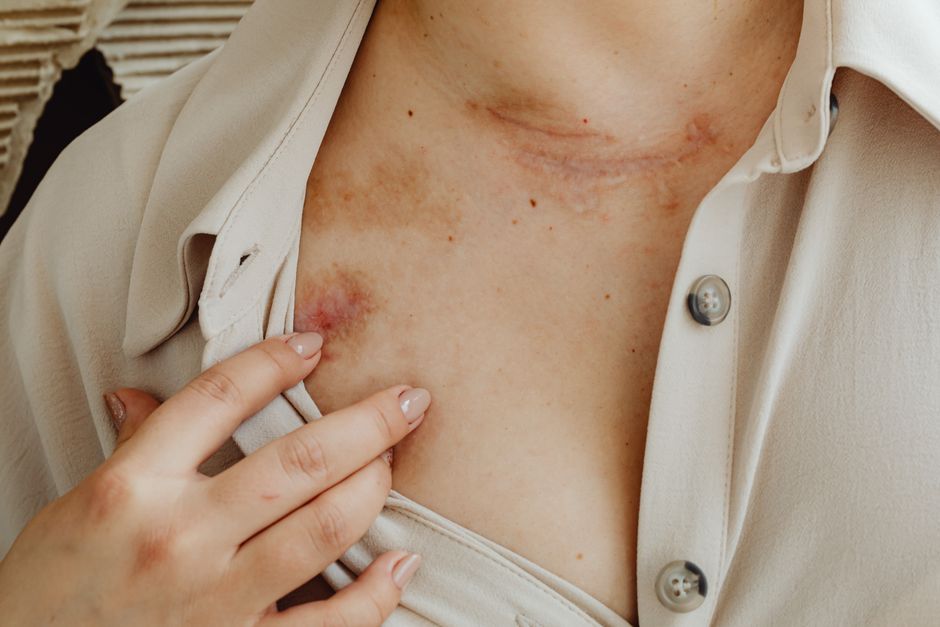
Ringworm can leave a scar, but most cases heal without one. The infection itself does not usually scar skin. Scarring happens when scratching, harsh treatment, or a secondary bacterial infection damages deeper skin layers. Ringworm on the scalp is the exception. It can cause permanent hair loss and leave a bald patch behind.
Ringworm is a fungal infection, not a worm. It is named for the ring-shaped rash it often causes. The fungus lives in the top layer of skin and feeds on keratin. That layer constantly sheds and renews itself. When the infection clears, the skin usually returns to normal.
What Does Ringworm Look Like and How Does It Heal?
Ringworm typically appears as a red, scaly patch with a raised border and clearer center. The border can look like a ring, which is where the name comes from. On darker skin the redness may look brown or gray. Itching is common.
The rash spreads outward slowly as the fungus grows. Healing happens from the center out. As the skin renews, the rash fades and the surface usually returns to its normal texture and color. Mild color changes can linger for a few weeks after the infection clears, but these fade on their own.
Most uncomplicated cases on the body heal fully with appropriate antifungal treatment. The skin’s outer layer replaces itself over weeks, so any surface changes resolve with it. This is why scarring is uncommon when the infection is treated properly and the skin is not injured.
Can Ringworm Leave a Scar on the Skin?
Yes, but it is not typical. The fungus itself does not destroy the deeper layer of skin where scars form. Scars come from damage that reaches below the surface. That damage usually comes from something other than the fungus.
The most common cause is scratching. Ringworm itches, and scratching can break the skin. Broken skin lets bacteria in and sets up a secondary infection. Repeated scratching over time can also thicken the skin and cause changes that outlast the rash.
Harsh home remedies are another cause. Bleach, undiluted essential oils, hot water, and vigorous scrubbing can burn or irritate skin. That irritation can damage tissue and lead to a scar that the infection alone would not have caused.
Some people also develop dark or light patches where the rash was. This is called post-inflammatory hyperpigmentation or hypopigmentation. It is not a true scar. It is a change in skin color that usually fades over months. It is more common in people with darker skin tones.
Why Does Ringworm on the Scalp Cause Permanent Hair Loss?
Scalp ringworm is different from ringworm on the body. On the scalp, the fungus grows down into the hair follicles. This is called tinea capitis. It can damage the follicles and cause hair to break off or fall out.
When the follicle is damaged badly enough, hair may not grow back. This leaves a bald patch that can be permanent. The area may also scar. This is the one form of ringworm most likely to leave lasting changes.
Scalp ringworm is most common in children. It often looks like scaly patches with broken hairs, and sometimes a swollen, boggy area. It usually needs oral antifungal medicine because creams do not reach deep enough into the follicles. Treating it early gives the best chance of preventing permanent hair loss. No over-the-counter cream is adequate for scalp ringworm.
What Raises the Risk of Scarring?
Several factors make a scar more likely. None of them are certainties. They raise the odds, but many people with these factors still heal without a scar.
- Scratching and picking at the rash, which breaks the skin and invites bacteria.
- Secondary bacterial infection, which causes more tissue damage than the fungus alone.
- Harsh or caustic home treatments that burn or irritate the skin.
- Delayed treatment, which lets the infection spread and persist longer.
- Scalp involvement, because the fungus reaches the hair follicles.
- Weakened immune function, which can make infections more severe and harder to clear.
A secondary bacterial infection is worth watching for. Signs include increasing pain, warmth, swelling, pus, or a fever. If these appear, medical care is needed. Bacterial infections are treated differently from fungal ones, and some need antibiotics.
How Do You Prevent Ringworm From Scarring?
The best way to prevent a scar is to treat the infection properly and protect the skin from further damage. The goal is to clear the fungus while keeping the skin intact.
Use an antifungal treatment as directed. Over-the-counter antifungal creams work for most body ringworm. Follow the instructions and keep using the product for the full course, even after the rash looks better. Stopping early lets the fungus return. If the rash is not improving after a couple of weeks, see a doctor. Prescription options exist, and some cases need oral medicine.
Do not scratch. This is easier said than done when the rash itches. Keep nails short. A cool compress can ease itching. Avoid harsh soaps, bleach, and strong oils on the rash. Wash the area gently and pat it dry.
Keep the rash covered loosely to avoid spreading it to others and to other parts of your body. Ringworm spreads by contact, so do not share towels, clothing, or bedding while you are infected. Wash these items in hot water. Wash your hands after touching the rash.
For scalp ringworm, see a doctor. It needs oral treatment. Do not rely on creams alone, and do not delay, because early treatment protects the hair follicles.
When Should You See a Doctor?
See a doctor if the rash is on the scalp, if it is not improving after a couple of weeks of treatment, or if it keeps coming back. These situations may need prescription or oral medicine.
Seek care sooner if you see signs of a bacterial infection. These include spreading redness, swelling, warmth, pus, or fever. People with weakened immune systems should see a doctor early for any ringworm, because infections can be more severe.
Also see a doctor if the rash has an unusual appearance. Several skin conditions can look like ringworm, including eczema, psoriasis, and other rashes. A correct diagnosis matters, because treating the wrong condition can delay healing or make things worse. If you are unsure what you are dealing with, get it checked rather than guessing.
Frequently Asked Questions
Can ringworm leave a scar?
Ringworm can leave a scar, but most cases heal without one. Scarring usually comes from scratching, harsh treatments, or a secondary bacterial infection, not from the fungus itself.
Does ringworm on the scalp cause permanent bald spots?
It can. Scalp ringworm reaches the hair follicles and can cause permanent hair loss and scarring if not treated early. It needs oral antifungal medicine, not creams alone.
How long does it take for ringworm marks to fade?
Dark or light patches left after the rash clears often fade over several months. These color changes are not true scars, and they usually resolve on their own.
Can I prevent ringworm from scarring?
You can lower the risk by treating the infection properly, not scratching, and avoiding harsh home remedies. Keeping the skin intact is the key to healing without a scar.
