
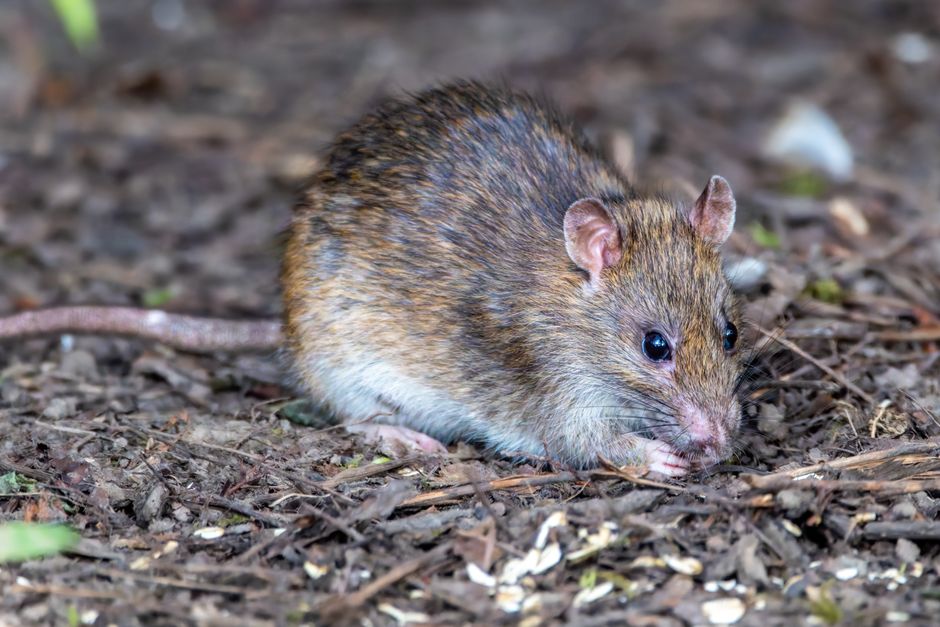
Rabies is a viral disease that kills nearly everyone who develops symptoms before treatment. So when a rat scurries through a garage or shows up dead in the backyard, it is reasonable to worry about whether that animal can pass rabies to a person or a pet. The short answer is yes — rats can get rabies. They are mammals, and rabies infects mammals. But the practical risk is very low, and there are good biological reasons for that.
Here is the key point most people miss: rats are not natural reservoirs for rabies. That means they do not maintain the virus in their populations the way raccoons, skunks, bats, and foxes do. A rat that has rabies almost certainly caught it from another animal, and that is a rare event. Rabies is overwhelmingly a disease of certain wild carnivores and bats, not rodents.
Can Rats Get Rabies?
Yes, rats are susceptible to the rabies virus. Any warm-blooded mammal can in principle be infected, and laboratory studies have confirmed that rats can contract the virus.
Susceptibility is not the same as being a common carrier, though. Public health agencies track which animals most often transmit rabies to humans, and rodents — including rats, mice, squirrels, hamsters, and gerbils — are almost never on that list. The animals responsible for the vast majority of human rabies cases worldwide are dogs, and in the United States, bats are the leading source of human infections.
There is also a biological reason rats rarely spread rabies. The virus travels through the nervous system to the salivary glands, and it spreads mainly through bites. Rats have small teeth and shallow bites. They also tend to die quickly once infected, which limits how long they can pass the virus along. A large raccoon or skunk can survive long enough to bite several animals. A rat usually cannot.
Why Are Rats Rarely a Source of Rabies?
Rabies needs a reservoir — a population of animals that keeps the virus circulating indefinitely. Raccoons, skunks, foxes, and several species of bats serve that role. Rats do not.
Several factors explain this:
- Rats are small prey animals. When they are bitten by a rabid predator, they often die from the attack itself rather than surviving to develop rabies.
- Rabies is fatal once symptoms appear, and small animals tend to die faster than large ones. A rat may not live long enough to transmit the virus to another animal.
- Rat bites on humans are shallow and often defensive. Deep, penetrating bites from a rabid animal are the main route of transmission.
- Rat populations are often separate from the wild carnivores that carry rabies, reducing opportunities for exposure.
This is why public health guidance generally treats a rat bite as a low rabies risk — but not necessarily a zero risk. If the rat was behaving strangely, if the bite was unprovoked, or if rabies is known to be present in the local wildlife, the calculation changes.
How Would a Rat Even Catch Rabies?
A rat would have to be bitten or scratched by an infected animal, or otherwise come into contact with infected saliva or nervous tissue. In practice, this usually means a rabid raccoon, skunk, fox, or bat.
Rabies is not spread through urine, feces, blood, or casual contact. A rat walking across a lawn or living in a wall does not pose a rabies risk to people in the home. The virus does not survive long outside a living host, and it is not airborne in any realistic household setting.
One clarification worth making: a rat does not become a carrier that spreads rabies for months. Once a rat is infected and the virus reaches the brain, the animal becomes ill and dies. There is no long-term “carrier state” for rabies in any species.





What About Rat Bites — Should You Worry?
Rat bites are uncommon but do happen, usually when someone tries to handle a wild rat or a pet rat that is stressed or sick. The main concern with a rat bite is not rabies. It is bacterial infection.
Rat bites can transmit bacteria that cause wound infections, and in rare cases a condition called rat-bite fever. Symptoms can include fever, rash, and joint pain, and it can be serious if untreated. Any bite that breaks the skin should be washed thoroughly with soap and water and evaluated by a medical professional.
When it comes to rabies after a rat bite, the guidance varies. Some public health agencies consider rodent bites to be a low risk and may not recommend rabies post-exposure treatment unless there are unusual circumstances. Others may recommend it if the animal cannot be tested or observed. This is a decision that should be made with a healthcare provider or local health department, not on your own.
Do not wait to seek care. Rabies is effectively always fatal once symptoms begin, but it is preventable with timely treatment after exposure. That window matters.
Can Pet Rats Have Rabies?
Pet rats can theoretically get rabies, but the risk is extremely low if they are kept indoors and never exposed to wild animals.
A pet rat that lives its whole life inside a home, away from wildlife, has essentially no route to infection. The realistic concern for pet rats is not rabies — it is other health problems, or the rare bite-related infection mentioned above.
If a pet rat does bite someone, the animal’s history matters. A rat that has never had contact with wild animals is very unlikely to carry rabies. A rat that escaped outdoors or was recently found as a stray is a different situation and should be discussed with a doctor or veterinarian.
How Does Rabies Spread to People?
Rabies spreads through the saliva of an infected animal, usually via a bite that breaks the skin. Less commonly, infected saliva can enter through a scratch, an open wound, or the eyes, nose, or mouth.
Once the virus enters the body, it travels along nerves toward the brain. This journey can take weeks to months, which is why symptoms do not appear immediately after exposure. During that time, the infection can often be stopped with treatment.
Early symptoms of rabies in people are vague — fever, headache, weakness, discomfort at the bite site. As the disease progresses, it causes confusion, agitation, difficulty swallowing, and other serious neurological signs. By that stage, treatment is no longer effective.
This is the reason public health guidance focuses so heavily on acting early. The vaccine and immune globulin given after a suspected exposure are highly effective when started promptly. They are not effective once symptoms appear.
Do You Need Rabies Shots After a Rat Bite?
Not always, and this is where it gets nuanced. The decision depends on the circumstances, and it should be made by a medical professional.
Factors that tend to raise concern include:
- The bite was unprovoked or the animal was acting strangely.
- The rat was wild, a stray, or had contact with wildlife.
- Rabies is known to be circulating in local wildlife.
- The animal cannot be captured, observed, or tested.
- The bite broke the skin or involved the face, hands, or mucous membranes.
If a pet rat bites and the animal is healthy and has no wildlife exposure, the risk is very low. If a wild rat bites and the animal cannot be tested, some health departments may still recommend treatment as a precaution. There is no single universal rule here, and the guidance is genuinely inconsistent across jurisdictions.
The safest approach is to contact a healthcare provider or your local health department and describe exactly what happened. They can weigh the specifics and advise you.
How Common Is Rabies in Rats?
Rabies in rats is rare. Surveillance data from public health agencies consistently show that rodents make up a tiny fraction of animals testing positive for rabies, even in areas where the virus is common in wildlife.
That does not mean it never happens. It does happen, just infrequently. The rarity is what makes rats a low-priority concern compared to raccoons, skunks, bats, and unvaccinated dogs.
If you see a rat that is active during the day, staggering, or behaving aggressively, that is unusual behavior and worth reporting to local animal control. It may or may not be rabies, but a wild animal acting abnormally is a reason to keep your distance and let professionals handle it.
What Should You Do If You See a Sick Rat?
Keep your distance. Do not try to catch, corner, or handle a wild rat that appears sick or is behaving oddly.
Keep pets and children away from the animal. If it is inside your home, close off the area if you can and contact animal control or a wildlife removal service. If it is outdoors, leave it alone and report it to local authorities if it seems unwell.
If you or a pet were bitten or scratched, wash the wound with soap and water right away and seek medical or veterinary care. Do not wait to see whether symptoms develop.
Frequently Asked Questions
Can you get rabies from a rat bite?
It is possible but very rare, because rats are not natural carriers of rabies. Any bite that breaks the skin should still be washed and checked by a medical professional, since rat bites can cause bacterial infections.
Do rats carry rabies often?
No, rabies in rats is uncommon, and rodents make up a very small share of animals that test positive for the virus. Raccoons, skunks, bats, and foxes are the main wildlife sources of rabies.
Can pet rats get rabies?
Pet rats can theoretically get rabies, but the risk is extremely low if they live indoors and never contact wild animals. A pet rat with no wildlife exposure is very unlikely to carry the virus.
What should I do if a rat bites me?
Wash the wound thoroughly with soap and water and contact a healthcare provider or local health department. They can decide whether rabies treatment or other care is needed based on your specific situation.
