
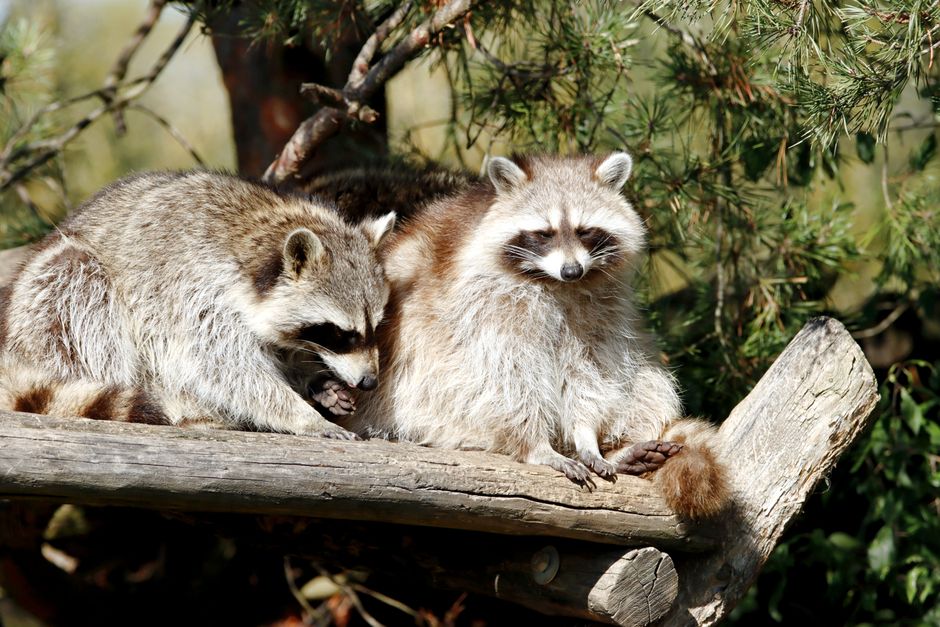
Yes, raccoons can carry rabies. In fact, raccoons are one of the primary wildlife species that transmit rabies in the United States. The rabies virus attacks the central nervous system and is almost always fatal once symptoms appear. If you see a raccoon acting strangely, especially during the day, you should keep your distance and contact animal control. Knowing the signs of rabies in raccoons and what to do after a potential exposure can protect you, your family, and your pets.
Can Raccoons Carry Rabies Signs And What To Do
Raccoons are considered a rabies reservoir species in North America. This means the virus circulates naturally within raccoon populations, especially in the eastern United States. According to the Centers for Disease Control and Prevention, raccoons account for a significant portion of reported rabies cases in wildlife each year. Any mammal can get rabies, but raccoons, bats, skunks, and foxes are the most common carriers in the U.S.
Rabies is transmitted through saliva, usually from a bite. It can also enter the body through broken skin or mucous membranes like the eyes, nose, or mouth if contaminated saliva gets in. A scratch from an infected raccoon can also transmit the virus if saliva is on the claws.
What Are The Signs Of Rabies In Raccoons
Rabies changes a raccoon’s normal behavior. Healthy raccoons are nocturnal, meaning they are active at night. A raccoon that is active during the day is not automatically rabid, but it is a warning sign worth taking seriously.
Common signs of rabies in raccoons include:
- Staggering or difficulty walking
- Disorientation or appearing confused
- Excessive drooling or foaming at the mouth
- Unusual aggression, such as attacking without provocation
- Unusual tameness or lack of fear of humans
- Paralysis, often starting in the hind legs
- Making strange vocalizations
Not every rabid raccoon shows all these signs. Some may appear lethargic and withdrawn. Others may seem perfectly healthy while still shedding the virus. This is why you should never approach or handle a raccoon, no matter how calm it appears.
The “dumb” form of rabies is less dramatic but just as dangerous. In this form, the animal may seem quiet, depressed, or partially paralyzed. It may hide in a corner or appear unresponsive. This is still a medical emergency if you have been bitten or scratched.
How Long Does It Take For Rabies Symptoms To Appear
The incubation period for rabies in humans is typically 2 to 3 months, but it can range from a few days to over a year. The time depends on where the bite occurred, how severe it was, and how much virus entered the wound. Bites closer to the brain or spinal cord generally produce symptoms faster.
Early symptoms in humans are vague and flu-like. They include fever, headache, fatigue, and a tingling or prickling sensation at the bite site. As the disease progresses, it affects the nervous system, causing anxiety, confusion, agitation, hallucinations, and difficulty swallowing. Once these neurological symptoms appear, rabies is nearly always fatal.
This is why immediate medical care after a potential exposure is critical. You should not wait for symptoms to develop. Treatment must begin before symptoms appear to be effective.





What To Do If You Are Bitten Or Scratched By A Raccoon
Act quickly. Your actions in the first hours after exposure can prevent infection.
First, wash the wound thoroughly with soap and warm water for at least 15 minutes. This simple step significantly reduces the amount of virus in the wound. Then apply an antiseptic and cover the wound with a clean bandage.
Second, go to an emergency room or urgent care immediately. Do not wait to see if the raccoon was rabid. A healthcare provider will assess your risk and may recommend post-exposure prophylaxis, which is a series of rabies vaccine shots. This treatment is highly effective when given promptly after exposure.
Third, contact your local animal control or health department. They can attempt to capture the raccoon for testing. Testing the animal can determine whether you need the full course of rabies shots. If the raccoon cannot be found, your doctor will likely recommend completing the treatment to be safe.
Do not try to capture or kill the raccoon yourself. This puts you at risk of another bite. Let trained professionals handle it.
What About Your Pets
Dogs and cats can get rabies from raccoons. An unvaccinated pet that fights with a raccoon is at high risk. Keep your pets’ rabies vaccinations current. This is not optional — it is the law in most states and the best protection available.
If your pet is bitten or scratched by a raccoon, contact your veterinarian immediately. Even if your pet is vaccinated, a booster shot may be recommended. Unvaccinated pets that are exposed to a rabid animal may need to be quarantined for several months or euthanized, depending on local regulations.
Keep pets indoors at night when raccoons are most active. Do not leave pet food outside, as it attracts raccoons to your property. Secure trash cans with tight-fitting lids to remove food sources.
How To Prevent Raccoon Encounters Around Your Home
Prevention is the most effective strategy. Raccoons are attracted to easy food sources. Remove those, and you reduce the chance of an encounter.
Secure garbage cans with bungee cords or heavy lids. Store trash in a shed or garage until pickup day. Do not leave pet food or water bowls outside overnight. Feed pets indoors whenever possible. Clean up fallen fruit from trees and birdseed from under feeders.
Seal entry points to your home. Raccoons can squeeze through surprisingly small openings. Check your attic, crawl spaces, and chimney for gaps. Install chimney caps and repair loose vents. Trim tree branches that overhang your roof, as raccoons use them to access your home.
If a raccoon has taken up residence in your attic or shed, do not attempt to remove it yourself. A frightened raccoon will defend itself. Contact a professional wildlife removal service that uses humane methods.
What Not To Do When You See A Raccoon
Do not feed raccoons under any circumstances. Feeding wild animals habituates them to humans and increases the risk of disease transmission. It is also illegal in many areas.
Do not approach a raccoon to take a photo or get a closer look. Use a zoom lens or simply move away. Do not corner a raccoon. A trapped animal is more likely to bite.
Do not handle a raccoon with bare hands, even if it appears dead. The virus can survive in nervous tissue for a short time after death. If you must move a dead raccoon, use a shovel or wear thick gloves and double-bag the animal.
Do not use home remedies or over-the-counter treatments for a bite. Rabies requires medical treatment. No herbal supplement, essential oil, or homeopathic remedy has any proven effect against the rabies virus.
Frequently Asked Questions
Can you get rabies from touching a raccoon?
Rabies is transmitted through saliva, not through fur or skin contact. If you touch a raccoon and have no broken skin and no contact with saliva, your risk is extremely low. Still, wash your hands thoroughly and contact a doctor if you have any concerns.
Are raccoons aggressive if they have rabies?
Some rabid raccoons become unusually aggressive, while others become lethargic and withdrawn. Both behaviors are abnormal for a healthy raccoon. Any raccoon that approaches humans or acts strangely should be avoided.
How common is rabies in raccoons?
Raccoons are one of the most frequently reported rabid wildlife species in the United States. However, the percentage of raccoons that actually carry the virus varies by region. Even a low percentage is not worth the risk of an encounter.
Is there a cure for rabies after symptoms appear?
No. Once neurological symptoms of rabies appear, the disease is almost always fatal. The rabies vaccine is only effective when given before symptoms develop, which is why immediate medical care after a bite is essential.
