
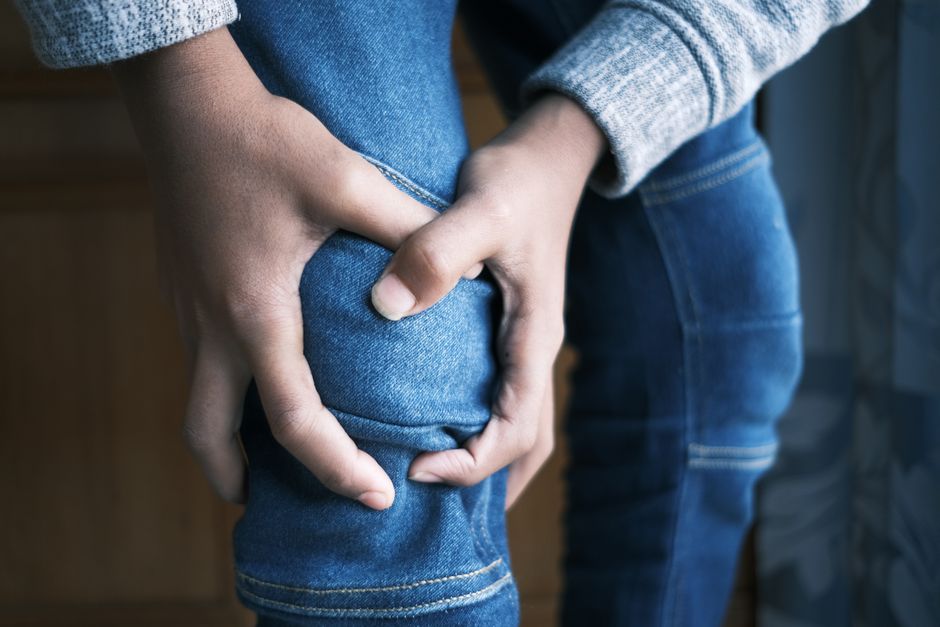
Progesterone can contribute to joint pain, but the connection is indirect and not everyone who takes it will notice a difference. The hormone influences fluid balance, connective tissue, and inflammation — all of which can affect how joints feel. For most people, progesterone is one factor among several, not a sole cause.
The question comes up often around the menstrual cycle, during perimenopause, and among people using hormonal birth control or hormone therapy. Understanding what progesterone actually does in the body helps separate a real physiological effect from a coincidence.
How Progesterone Affects Joints
Progesterone is a steroid hormone that acts on tissues throughout the body, not just the reproductive system. Its effects on joints are real but mostly indirect.
One well-established mechanism is fluid balance. Progesterone influences how the body handles sodium and water, and shifts in fluid can cause temporary swelling in the hands, feet, and around joints. This is the same reason some people notice bloating in the days before a period, when progesterone peaks.
Progesterone also affects connective tissue. Collagen and other structural proteins in ligaments and tendons respond to hormonal changes. Estrogen and progesterone together influence ligament laxity — how loose or tight the connective tissue feels. When ligaments are more relaxed, joints can feel less stable and more prone to discomfort.
There is also a relationship with inflammation, though the picture is complicated. Progesterone has been studied for its effects on immune signaling, and the results are not consistent. Some research suggests it can dampen certain inflammatory pathways. Other work points to the opposite in specific contexts. What is clear is that hormonal shifts can change how pain is perceived and processed, which matters for anyone with an existing joint condition.
Can Progesterone Cause Joint Pain?
Yes, progesterone can cause joint pain in some people, but it is usually mild and temporary. The key word is “some.” Many people take progesterone or experience natural progesterone shifts without any joint symptoms at all.
The clearest examples come from predictable hormonal events. Many people notice joint achiness in the second half of the menstrual cycle, after ovulation, when progesterone rises. Others notice it during perimenopause, when hormone levels swing unpredictably rather than following a steady pattern.
Progesterone-only birth control — including pills, implants, and hormonal IUDs — delivers progesterone or a synthetic version called a progestin. Some users report joint pain as a side effect. It appears in product labeling for certain methods, though it is not among the most commonly reported effects. The evidence linking these methods directly to joint pain is limited and largely based on individual reports rather than large trials.
Hormone therapy containing progesterone, often prescribed alongside estrogen for menopause symptoms, is another context where people report joint complaints. Again, the relationship is plausible and reported, but not strongly established in controlled studies as a frequent cause.
Progesterone, Estrogen, and the Joint Pain Puzzle
Isolating progesterone as the cause of joint pain is difficult because it rarely acts alone. In the body, it works in concert with estrogen, and the balance between the two matters.
Estrogen has a more clearly documented relationship with joint health. It supports collagen production and helps maintain cartilage and bone. When estrogen falls sharply — as it does during menopause — many people experience new or worsening joint pain. This is well recognized in clinical practice.
Progesterone’s role is harder to pin down. Some researchers believe the ratio of estrogen to progesterone matters more than either hormone on its own. A sudden drop in estrogen with progesterone staying steady, or the reverse, may create the conditions for joint discomfort. This is a reasonable explanation for why symptoms cluster during perimenopause, when both hormones fluctuate.
There is a non-obvious point worth knowing: the timing of joint pain relative to your cycle or medication changes is often more informative than the hormone level itself. A symptom that appears reliably a few days after starting a new progesterone dose, or at the same point every cycle, tells you more than a single lab result.





When Joint Pain Is Not From Progesterone
Joint pain has many causes, and progesterone is rarely the whole story. Before attributing pain to a hormone, it helps to rule out or consider other explanations.
- Osteoarthritis — the most common form of arthritis, caused by cartilage wear over time, not hormones.
- Rheumatoid arthritis and other autoimmune conditions — inflammatory joint diseases that can flare with hormonal changes but are not caused by progesterone.
- Injury or overuse — tendonitis, sprains, and repetitive strain.
- Medication side effects — other drugs, not just hormones, can cause joint pain.
- Age-related changes — natural shifts in cartilage and bone that happen regardless of hormone use.
Age is a practical factor here. The readers most likely to be asking this question are in their 30s, 40s, and 50s — the same decades when osteoarthritis becomes more common and perimenopause begins. Two things happening at once does not mean one caused the other.
A useful rule: if joint pain is new, persistent, accompanied by swelling, redness, or warmth, or affecting your ability to function, it deserves a medical evaluation. Hormone timing alone should not be used to dismiss symptoms that could have another cause.
What to Do If You Suspect Progesterone Is Involved
If you think progesterone is contributing to joint pain, the most useful step is to track the pattern. Note when symptoms appear relative to your cycle, your medication schedule, and any dose changes.
Bring that record to your clinician. A clear timeline helps distinguish a hormonal pattern from something unrelated. It also gives your provider something concrete to work with if a medication adjustment is worth considering.
Do not stop a prescribed hormone therapy or birth control method on your own. Sudden discontinuation can cause its own symptoms, and some methods need to be stopped under guidance. Talk to the prescriber first.
General joint care still applies. Regular low-impact movement, strength work to support the muscles around joints, and adequate sleep all help. These are not hormone-specific, but they matter for joint comfort regardless of cause.
If joint pain is significant or persistent, ask about evaluation for other causes. Imaging and blood tests can rule out inflammatory conditions and structural problems. Progesterone should be one line of inquiry, not the only one.
Does Progesterone Help or Hurt Joint Pain?
Both are possible, and the evidence does not point cleanly in one direction. Some people report that progesterone worsens joint discomfort. Others, particularly those using hormone therapy for menopause symptoms, report improvement — though that improvement is more often attributed to estrogen than to progesterone.
The honest position is that progesterone’s effect on joints varies by person, by dose, by formulation, and by the hormonal context. There is no single answer that applies to everyone. Anyone who tells you progesterone reliably causes or reliably relieves joint pain is oversimplifying.
What is well established: hormones affect fluid balance, connective tissue, and pain perception. What is less established: exactly how much progesterone contributes to joint pain in any given person, and whether changing progesterone alone will resolve it. That uncertainty is worth holding onto when weighing treatment decisions.
Frequently Asked Questions
Can progesterone cause joint pain?
Progesterone can contribute to joint pain in some people, mainly through effects on fluid balance and connective tissue. It is usually mild and often linked to hormonal shifts rather than progesterone alone.
Does progesterone cause joint pain during perimenopause?
Perimenopause involves unpredictable swings in both estrogen and progesterone, and joint pain is commonly reported during this time. The fluctuating hormone levels as a whole are more likely responsible than progesterone by itself.
Is joint pain a side effect of progesterone-only birth control?
Some users report joint pain with progesterone-only methods, but it is not among the most commonly reported side effects. Evidence linking these methods directly to joint pain is limited.
Should I stop taking progesterone if my joints hurt?
Do not stop a prescribed hormone medication on your own. Talk to your prescriber first, since sudden discontinuation can cause other symptoms and some methods require guided stopping.
