
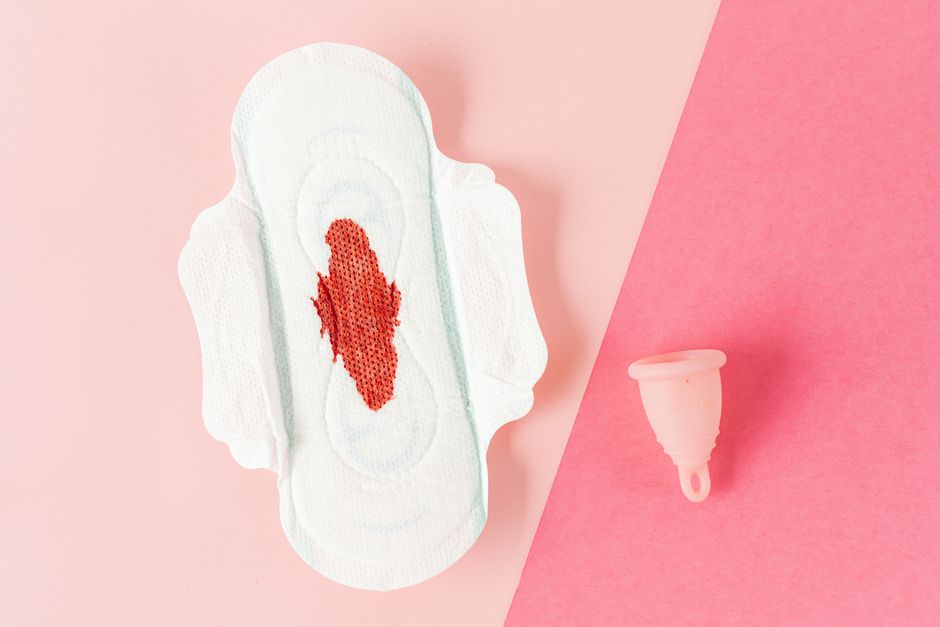
No, probiotics are not known to cause menstrual bleeding or spotting. There is no established biological mechanism by which probiotic bacteria — whether from food or supplements — would trigger uterine bleeding, and no clinical evidence linking the two. Menstrual bleeding is controlled by hormones and the lining of the uterus, while probiotics act mainly in the gut and, to a lesser extent, the vagina. These are separate systems.
That said, people do sometimes notice spotting around the time they start a new supplement. When that happens, the timing is usually a coincidence, or the cause is something else entirely. Here is what the evidence actually shows, and what else might explain unexpected bleeding.
Can Probiotics Cause Menstrual Bleeding Or Spotting?
There is no evidence that probiotics cause menstrual bleeding. The bacteria in probiotic foods and supplements are not absorbed into the bloodstream in any meaningful way, and they do not act on the ovaries, the pituitary gland, or the uterine lining — the parts of the body that control when and how you bleed.
Probiotics work mainly in the digestive tract. Some strains can also colonize the vagina temporarily, which is why they are sometimes studied for vaginal health. But the vagina and the uterus are different environments. A change in vaginal bacteria does not directly trigger the shedding of the uterine lining.
Spotting has many common causes, and a new supplement is rarely one of them. The most likely explanations are hormonal shifts, stress, changes in birth control, perimenopause, or a minor cervical or uterine issue. If bleeding is new, heavy, or persistent, it deserves medical attention regardless of what supplements you take.
How Do Probiotics Actually Work In The Body?
Probiotics are live microorganisms — mostly bacteria, sometimes yeast — that, when taken in adequate amounts, can change the balance of microbes in parts of the body. The strongest evidence for benefit is in the gut, particularly for certain digestive conditions and for preventing antibiotic-associated diarrhea.
Their effects are local, not systemic in the way a hormone medication is. Probiotic bacteria generally stay in the intestinal tract or on mucosal surfaces. They are not designed to cross into the reproductive organs and influence the menstrual cycle.
Some research has looked at probiotics for vaginal health, such as supporting a healthy vaginal microbiome or reducing recurrent bacterial vaginosis. That research is still developing, and results vary. Even in that context, the target is the vaginal environment, not the uterus or the hormonal cycle that governs menstruation.
One clarification worth knowing: the vaginal microbiome and the menstrual cycle influence each other, but that is a relationship between naturally occurring bacteria and hormones — not evidence that swallowing a probiotic capsule alters your period.
What Usually Causes Spotting Between Periods?
Spotting between periods is common and has many well-understood causes. A new probiotic is not among the recognized ones. If you notice bleeding or spotting, it is more useful to look at these factors than at your supplement.
- Hormonal changes. Shifts in estrogen and progesterone can cause light bleeding, especially around ovulation or in the years leading to menopause.
- Birth control. Starting, stopping, or changing hormonal contraception is a frequent cause of breakthrough bleeding.
- Perimenopause. Changing hormone levels during this transition often cause irregular bleeding patterns.
- Stress and weight change. Significant stress or rapid weight change can affect the menstrual cycle.
- Infection or irritation. Vaginal or cervical infections, or irritation, can cause light bleeding.
- Structural issues. Fibroids, polyps, or other growths in the uterus or cervix can cause spotting.
- Pregnancy. Early pregnancy can involve spotting, so this is worth ruling out if it is a possibility.
Timing matters. If spotting started the same week you began a probiotic, it is understandable to connect the two. But the menstrual cycle runs on a hormonal schedule that a gut supplement does not control, so the overlap is usually coincidence.
When Should You See A Doctor About Unexpected Bleeding?
Some bleeding patterns warrant a medical visit. Probiotics are not a reason to delay that. Seek care if you have bleeding after menopause, very heavy periods, bleeding between periods that keeps happening, bleeding after sex, or bleeding along with pain or fever.
Bleeding after menopause is particularly important to check. It always needs evaluation, because it can be a sign of a condition that requires treatment. This is not about supplements — it is about ruling out serious causes promptly.
For anyone with a new or unexplained bleeding pattern, a clinician can assess hormones, check for infection, and look at the uterus and cervix if needed. Do not assume a supplement is the cause and wait it out.
Are There Any Real Risks Of Probiotics?
Probiotics are generally well tolerated by healthy people, but “generally safe” is not the same as “risk-free.” The most common side effects are mild and digestive — gas, bloating, or loose stools in the first days of use.
Serious infection from probiotics is rare but documented, mainly in people who are severely immunocompromised, critically ill, or have a central line. For these groups, probiotics carry real risk and should not be started without medical guidance. This is a well-recognized safety concern in clinical settings.
The evidence for many probiotic claims is uneven. Some strains have good support for specific uses, while many products on the market make claims that no study has confirmed. If a label promises to regulate your cycle or balance your hormones, that is marketing, not established science.
Could A Supplement You Started Around The Same Time Be Responsible?
If you started more than one product, the probiotic may not be the relevant one. Some supplements contain ingredients that can affect bleeding or hormones, and those are worth checking.
Herbal products are a common culprit. Certain botanicals can influence bleeding or interact with medications. Weight-loss and “hormone balance” blends are especially likely to contain multiple ingredients, some of which are not well studied. Always read the full ingredient list, not just the front label.
Medication changes matter too. If you started or stopped any medication — including hormonal birth control — around the same time, that is a more likely explanation for a change in bleeding than a probiotic. When in doubt, bring the actual product to your clinician so they can review every ingredient.
The Bottom Line On Probiotics And Menstrual Bleeding
The link between probiotics and menstrual bleeding is not supported by evidence. The biology does not point that way, and no clinical research establishes it. If you notice spotting after starting a probiotic, the supplement is unlikely to be the cause, but the bleeding itself still deserves attention.
Track when the bleeding happens, how heavy it is, and what else changed around the same time — new medications, stress, or cycle shifts. That information helps a clinician find the real cause. Do not let a supplement theory delay a proper look at unexplained bleeding.
Frequently Asked Questions
Can probiotics cause spotting?
No, probiotics are not known to cause spotting. Spotting is usually linked to hormonal changes, birth control, infection, or other factors unrelated to gut bacteria.
Can probiotics affect your period?
There is no established evidence that probiotics change the timing, length, or flow of your period. The menstrual cycle is controlled by hormones, which probiotics do not directly influence.
Why am I spotting after starting a new supplement?
The timing is often coincidence, but check the full ingredient list for herbal or hormonal ingredients that could be responsible. If bleeding continues or is unexplained, see a doctor.
When should I worry about spotting between periods?
See a doctor for bleeding after menopause, heavy bleeding, bleeding after sex, or spotting that keeps recurring. These patterns need evaluation regardless of what supplements you take.
