
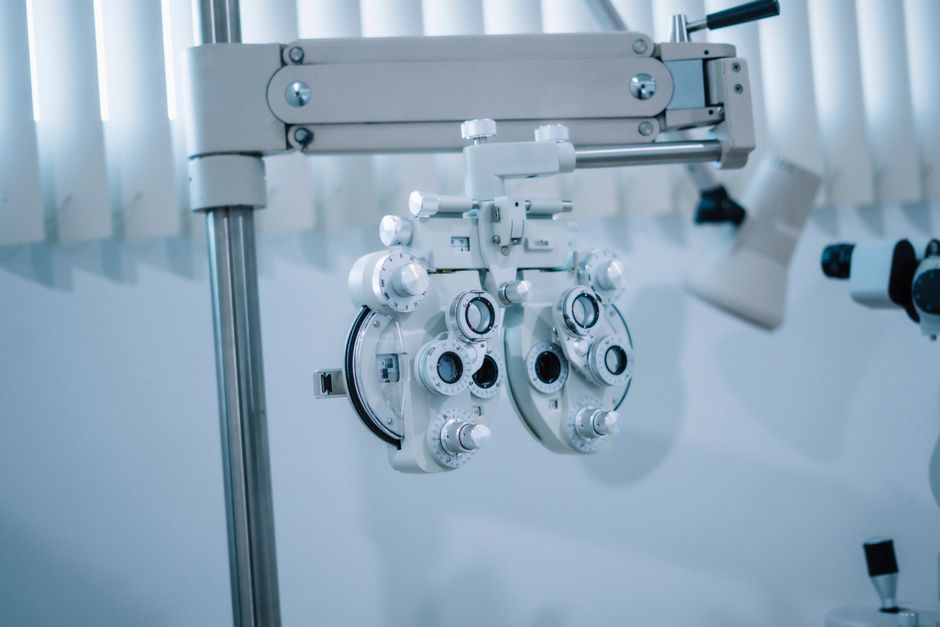
Presbyopia is the age-related loss of near vision that makes reading glasses a near-universal part of life after 40. It is not a disease; it is a natural change in the eye’s lens. While it cannot be reversed, it can be corrected. Treatment options range from simple reading glasses to surgical procedures, and the right choice depends on your lifestyle, your eye health, and how much you value independence from glasses.
What Exactly Causes Presbyopia?
Inside your eye, the crystalline lens changes shape to focus light on the retina. When you look at something close, tiny muscles squeeze the lens to make it rounder and thicker. This process is called accommodation.
With age, the lens loses its flexibility. It becomes stiffer and less able to change shape. The lens also grows continuously throughout life, adding layers of cells that make it denser. By around age 40, the lens is too rigid to focus on nearby objects. This is presbyopia. It happens to everyone, even people who have never worn glasses, and it progresses gradually until about age 60.
Presbyopia is different from astigmatism, nearsightedness, or farsightedness. Those conditions come from the shape of the cornea or the length of the eyeball. Presbyopia comes from the lens itself losing elasticity.
Can Presbyopia Be Corrected Treatment Options: The Full Picture
The short answer is yes — presbyopia can be corrected, though not cured. No treatment restores the lens to its youthful flexibility. Instead, treatment works by compensating for the loss of flexibility. You have three broad paths: optical devices, surgical procedures, and emerging pharmaceutical drops.
Optical devices are the most common and the safest. They include reading glasses, bifocals, progressives, and contact lenses. Surgery is elective and carries more risk, but it can reduce or eliminate the need for glasses. Eye drops are the newest option, and they work by shrinking the pupil to create a pinhole effect that improves depth of focus.
Your choice depends on your age, your prescription, the health of your eyes, and your tolerance for risk. A comprehensive eye exam is the first step. Your eye doctor will measure your refractive error, check for cataracts and glaucoma, and discuss which correction fits your daily activities.
Non-Surgical Correction: Glasses and Contact Lenses
Reading glasses are the simplest solution. They are single-vision lenses designed for near work. You put them on to read, then take them off to see distance. They are inexpensive and risk-free, but they are inconvenient if you switch between near and distance tasks frequently.
Bifocals have a visible line. The top half corrects distance vision; the bottom half corrects near vision. Progressive lenses do the same thing without the line, using a gradual transition in lens power. Progressives take time to adapt to because the sides of the lens cause some distortion. Most people adjust within two weeks.
Contact lenses offer another option. Multifocal contact lenses have different zones for near, intermediate, and distance vision. Monovision is another approach: one eye is corrected for distance, the other for near. Your brain learns to blend the two images. Monovision works well for many people, but it can reduce depth perception and is not for everyone.
These optical corrections are safe and effective. They do not change your eyes; they simply provide the focusing power your lens no longer can.



Surgical Options: Laser, Implants, and Lens Replacement
Several surgical procedures can correct presbyopia. Each works differently, and each has specific risks and benefits.
Monovision LASIK uses a laser to reshape the cornea. One eye is set for distance, the other for near. This is the same concept as monovision contact lenses, but permanent. It is a good option for people who tolerate monovision in trial contact lenses first. The downside is reduced depth perception and some loss of contrast sensitivity.
Corneal inlays are small devices implanted in the cornea of one eye. They work like a built-in reading lens, using a tiny opening or a ring to increase depth of focus. The most common inlay, the KAMRA, was removed from the market in 2020. Other inlays exist but are less common. This procedure has fallen out of favor due to variable results and the risk of corneal haze.
Refractive lens exchange is the most comprehensive surgical option. The surgeon removes your natural lens and replaces it with an artificial intraocular lens. This is the same surgery used for cataracts. The difference is that refractive lens exchange is done before cataracts develop.
There are two main types of intraocular lenses for presbyopia. Multifocal IOLs have concentric rings that split light into multiple focal points. Extended depth of focus IOLs stretch the light into a continuous range of vision. Both can reduce or eliminate the need for glasses. Both also carry trade-offs, including halos around lights at night and reduced contrast sensitivity.
Refractive lens exchange is the only surgical option that also prevents future cataracts, because the natural lens is removed. It is a major surgery, and complications are rare but serious, including infection, retinal detachment, and persistent inflammation.
Prescription Eye Drops: The Newest Treatment
In 2021, the FDA approved the first eye drop for presbyopia. The active ingredient is pilocarpine, a medication that has been used for decades to treat glaucoma. At low doses, pilocarpine constricts the pupil. A smaller pupil creates a pinhole effect, which increases depth of focus and improves near vision.
The drop is called Vuity. It takes effect within 15 minutes and lasts about six hours. It is designed for people with mild to moderate presbyopia, typically ages 40 to 55. Common side effects include headache, red eyes, and blurred distance vision, especially in dim light.
Other drops are in clinical trials. Some use different mechanisms, such as softening the lens or changing its shape. As of now, pilocarpine-based drops are the only FDA-approved option. They are not a replacement for surgery or glasses; they are a temporary convenience.
The evidence for these drops is solid but limited. Clinical trials showed meaningful improvement in near vision for a majority of participants, but not everyone responds. People with severe presbyopia, cataracts, or certain eye conditions are not candidates.
How to Choose the Right Treatment
Start with your eye exam. Your doctor will tell you the health of your cornea, lens, and retina. That determines which options are even available to you.
If you have healthy eyes and a mild prescription, glasses or contact lenses are the lowest-risk choice. If you are tired of glasses and have a stable prescription, laser monovision may suit you. If you are over 50 and developing early cataracts, refractive lens exchange makes sense because it addresses both problems at once.
Consider your hobbies and work. Do you drive at night? Multifocal IOLs can cause halos that make night driving uncomfortable. Do you do fine detail work? A reading glass prescription may be all you need. Do you play sports? Contact lenses may be more practical than glasses that fog up or slip.
No single treatment is best for everyone. The honest answer is that presbyopia correction is highly individualized, and the best choice is the one you can live with comfortably for years.
What the Evidence Does and Does Not Show
Research consistently shows that glasses and contact lenses are safe and effective for presbyopia. The evidence for surgery is strong but more nuanced. Multifocal IOLs have high patient satisfaction rates, but a significant minority of patients experience visual disturbances such as glare and halos.
Some studies suggest that extended depth of focus lenses produce fewer visual disturbances than multifocal lenses, but the evidence is mixed. No large head-to-head trial has definitively proven one lens type is superior.
For eye drops, the evidence is newer. The FDA approval was based on clinical trials that showed statistically significant improvement in near vision. However, the effect is modest, and the drop is not a permanent solution. It is a temporary measure that requires daily use.
Be cautious of marketing claims. No treatment “reverses” presbyopia. No supplement, eye exercise, or diet has been proven to restore lens flexibility. Some websites sell devices that claim to train your eyes to focus better. The evidence for these is weak, and no clinical guidelines recommend them.
Lifestyle Adjustments That Help
Good lighting makes a real difference. Brighter light constricts the pupil naturally, which increases depth of focus. Many people with presbyopia read fine in bright daylight but struggle in dim restaurants.
Hold reading material farther away. The closer an object is, the more focusing power your eye needs. Moving a book from 14 inches to 20 inches away can reduce the demand on your lens.
Take breaks during prolonged near work. The eye muscles can fatigue, causing eyestrain and headaches. The 20-20-20 rule — every 20 minutes, look at something 20 feet away for 20 seconds — is a common clinical recommendation to reduce digital eyestrain.
These adjustments do not correct presbyopia. They make it more manageable, but they are not a substitute for an actual correction.
When Presbyopia Is Not the Only Problem
Presbyopia often overlaps with other refractive errors. You might be nearsighted, farsighted, or have astigmatism. Each of these can be corrected simultaneously with the right lens or surgery.
More importantly, presbyopia can mask or be masked by other eye conditions. Blurry near vision can be a sign of cataracts, glaucoma, or macular degeneration. If your vision changes suddenly, or if you see flashes, floaters, or a curtain over your vision, see an eye doctor immediately. These are not normal signs of aging.
Regular eye exams are essential after age 40. The American Academy of Ophthalmology recommends a baseline exam at age 40, then follow-up exams based on your risk factors. Early detection of eye disease is far more important than choosing the right reading glasses.
Frequently Asked Questions
Can presbyopia be reversed with eye exercises?
No. Eye exercises cannot restore flexibility to the lens. No clinical evidence supports the claim that eye training reverses presbyopia.
At what age does presbyopia start?
Presbyopia typically becomes noticeable between ages 40 and 45. Symptoms often begin with holding books or phones farther away to read them.
Is presbyopia surgery safe?
Presbyopia surgery is generally safe, but it is elective and carries real risks. Complications are uncommon but can include infection, retinal detachment, and permanent visual disturbances.
Do presbyopia eye drops work for everyone?
No. FDA-approved pilocarpine drops work for many people with mild to moderate presbyopia, but not everyone responds. People with severe presbyopia or certain eye conditions are not candidates.
