
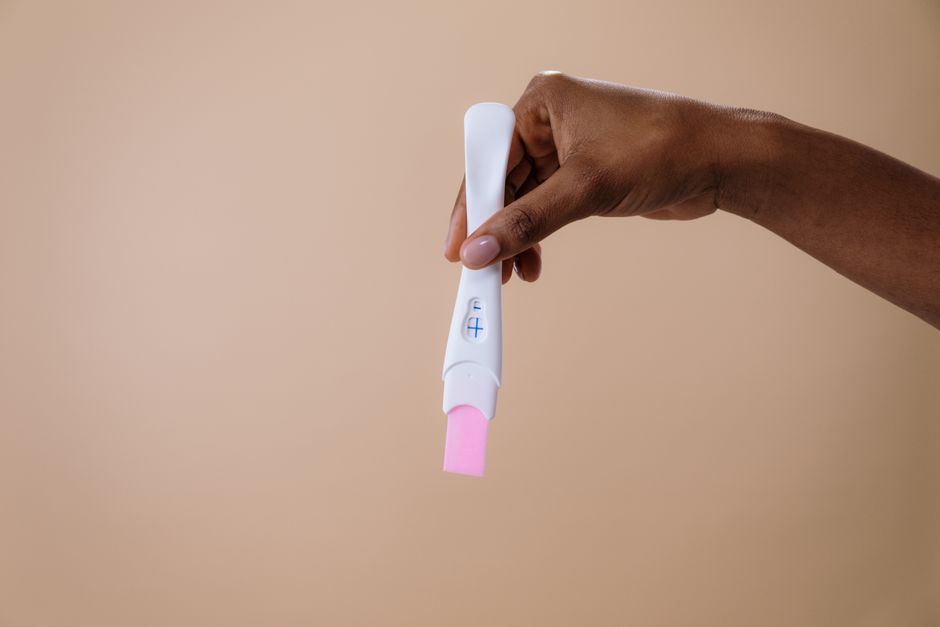
Yes, pregnancy tests expire. Every home pregnancy test has an expiration date printed on its packaging, and that date matters more than most people realize. Using an expired test can lead to a false negative — a result that says you are not pregnant when you actually are. The good news is that a properly stored, unexpired test is highly accurate when used correctly.
Can Pregnancy Tests Expire?
Pregnancy tests expire because the antibodies and chemical reagents inside them break down over time. These are biological molecules, and like all biological molecules, they degrade.
Home pregnancy tests work by detecting a hormone called human chorionic gonadotropin, or hCG, in your urine. The test strip contains antibodies that bind to hCG if it is present. That binding triggers a color change or a digital reading. If those antibodies degrade, they can no longer bind to hCG effectively, and the test may fail to detect a pregnancy that is actually there.
Most manufacturers print an expiration date that is roughly two to three years from the date of manufacture. After that date, the test’s reliability drops. It does not drop to zero immediately, but it becomes unpredictable. A test that is one month past its date might still work fine. A test that is three years past its date is far more likely to give a wrong result.
The expiration date assumes the test has been stored properly. Heat, moisture, and direct sunlight can degrade the test faster than the printed date suggests. A test that sat in a hot car for a summer is not reliable even if the date has not passed.
What Happens If You Use an Expired Pregnancy Test?
The most common risk is a false negative. The test strip loses its ability to detect hCG, so it shows a negative result even when you are pregnant.
A false positive from an expired test is less common but possible. If the test chemicals break down in certain ways, they can sometimes produce a faint line or an evap line — a line that appears after the test’s reading window has passed and does not indicate pregnancy. This is one reason why reading a test after the recommended time frame is unreliable regardless of expiration.
An expired test can also give a result that is simply invalid. Some digital tests display an error message. Others may show no line at all in the control window, which means the test did not work properly and the result should be discarded.
The key point: if you use an expired test and get a negative result, you cannot trust that result. If you get a positive result on an expired test, it is more likely to be accurate than a negative — false positives are less common — but you should still confirm with a new test. A positive result on any test should be confirmed, ideally with a fresh test or a blood test at a doctor’s office.
How Should You Store Pregnancy Tests?
Proper storage keeps a pregnancy test reliable until its expiration date. The manufacturer’s instructions on the box tell you exactly what the test needs.
- Keep the test in its original sealed wrapper until you are ready to use it. The wrapper protects it from moisture and light.
- Store at room temperature, generally between 59°F and 86°F (15°C to 30°C), unless the packaging says otherwise.
- Keep it away from direct sunlight, heat sources, and humid areas like bathrooms with frequent showers.
- Do not freeze the test. Freezing and thawing can damage the antibodies.
- Do not use a test if the wrapper is torn, punctured, or visibly damaged.
If you cannot remember how a test was stored — for example, it sat in a garage or a storage unit for a year — treat it as unreliable even if the expiration date has not passed.





Do Pregnancy Tests Really Expire, or Is It Just a Marketing Date?
The expiration date is not a marketing tactic. It reflects real chemical degradation.
Pregnancy tests rely on monoclonal antibodies — proteins engineered to bind specifically to hCG. Proteins denature over time. Temperature fluctuations, humidity, and even exposure to air can speed up that process. Once enough antibodies have degraded, the test’s sensitivity drops. It may need a higher concentration of hCG to show a positive result than it did when it was fresh.
This is different from a “best by” date on a snack, which is often about taste and quality rather than safety. A pregnancy test past its expiration date may genuinely fail to detect a pregnancy that a fresh test would catch. The date is based on stability testing that manufacturers conduct to determine how long the reagents remain reliable under normal storage conditions.
That said, the date is not a magic cutoff. A test one week past its date is far more likely to work than one two years past it. But there is no way for you to know how much the antibodies have degraded without using the test — and a wrong result is the consequence.
How Accurate Are Pregnancy Tests Before They Expire?
When used correctly and before the expiration date, home pregnancy tests are highly accurate. Research consistently shows that these tests detect hCG in urine with sensitivity that rivals many lab tests, provided they are used at the right time.
Accuracy depends heavily on when you test. hCG starts being produced by the developing embryo shortly after implantation, which typically occurs about six to twelve days after ovulation. The hormone level doubles roughly every 48 hours in early pregnancy. Testing too early — before hCG has reached the test’s detection threshold — can produce a false negative even with a fresh, unexpired test.
Most tests claim to be accurate starting from the first day of a missed period. Some tests are marketed as being able to detect pregnancy a few days before a missed period, but the earlier you test, the higher the chance of a false negative. For the most reliable result, wait until the first day of your missed period.
Using first-morning urine can also improve accuracy because hCG is more concentrated after an overnight hold. This is not required, but it can help if you are testing early.
Can You Use a Pregnancy Test After the Expiration Date in an Emergency?
If you have no other option and need an answer right away, an expired test is better than nothing — but only if you understand its limits.
A positive result on an expired test is meaningful. False positives are uncommon, so a positive likely indicates pregnancy. Confirm it with a fresh test or a healthcare provider.
A negative result on an expired test tells you almost nothing. It could mean you are not pregnant, or it could mean the test failed to detect hCG because the antibodies degraded. Do not treat a negative expired test as conclusive.
If you need a reliable answer and only have an expired test, use it, but plan to retest with a new one as soon as possible. If the expired test is positive, contact a healthcare provider to confirm. If it is negative and you still suspect pregnancy, wait a few days and test again with a fresh test.
Frequently Asked Questions
How long do pregnancy tests last after expiration?
They do not have a reliable shelf life after the printed date. A test a few days or weeks past expiration may still work, but its accuracy is unpredictable and declines over time.
Can an expired pregnancy test show a false positive?
False positives from expired tests are less common than false negatives, but they can happen if the test chemicals degrade in a way that produces a faint line. Any positive result should be confirmed with a fresh test.
What should I do if I only have an expired pregnancy test?
Use it if you have no other option, but treat a negative result as unreliable. A positive result is more likely to be accurate but still needs confirmation with a new test or a healthcare provider.
Does storing a pregnancy test in the bathroom affect its shelf life?
Yes. Bathrooms are often humid, and moisture can degrade the test’s antibodies faster than the expiration date assumes. Store tests in a cool, dry place instead.
