
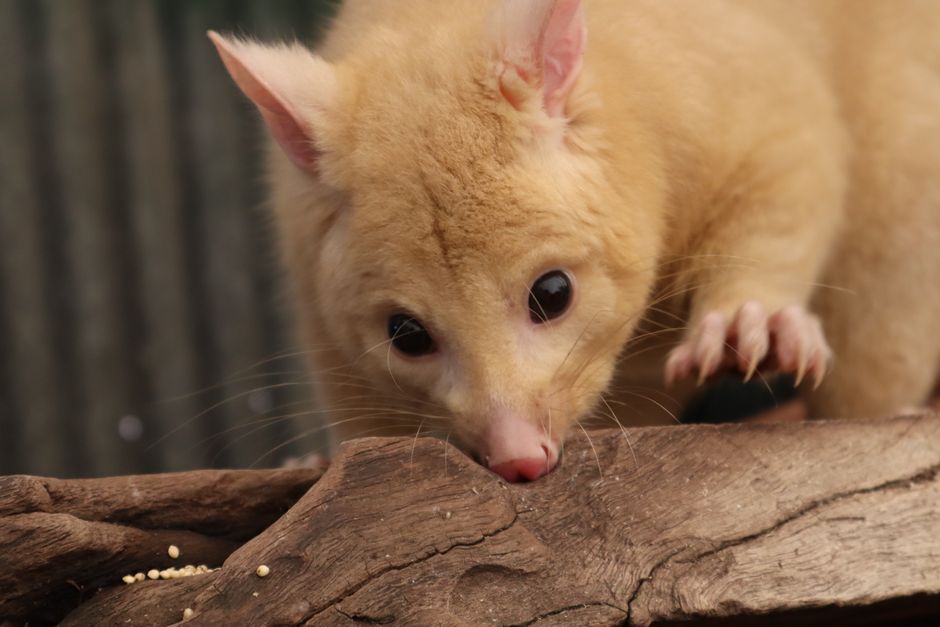
Rabies is a frightening disease, and it is natural to wonder which wild animals carry it. When you see a hissing opossum in your backyard, the question of whether it could be a threat is a fair one. The direct answer is that opossums can technically get rabies, but it is extraordinarily rare. In fact, their biology makes them one of the least likely mammals in North America to ever carry or transmit the virus.
Can Possums Get Rabies Heres Why Its So Rare?
Yes, opossums can contract rabies, but the scientific evidence shows it happens very rarely. Wildlife surveillance studies consistently show that opossums account for a tiny fraction of rabies cases reported in animals each year. This is not because they are never exposed to the virus. It is because their bodies seem to resist infection exceptionally well.
Most mammals, including raccoons, skunks, and foxes, are highly susceptible to the rabies virus. Opossums are different. Researchers have studied this resistance for decades, and the evidence points to a combination of genetic and physiological factors that make it difficult for the virus to take hold.
What Makes Opossums Naturally Resistant to Rabies?
The leading explanation for opossum resistance involves their body temperature. Opossums have a lower average body temperature than most placental mammals. Their normal temperature hovers around 94 to 97 degrees Fahrenheit. Most mammals run warmer, typically between 99 and 102 degrees.
The rabies virus is highly sensitive to temperature. It replicates most efficiently at the higher body temperatures found in typical mammals. The slightly cooler environment inside an opossum appears to slow the virus down significantly. This does not make them immune, but it gives their immune system a fighting chance to clear the infection before it reaches the brain.
Research published in the Journal of Wildlife Diseases has documented this phenomenon. Studies have shown that when opossums are experimentally infected with rabies, a much smaller percentage develop the disease compared to other mammals under the same conditions. Some research suggests that their immune response is also quicker and more robust than that of other marsupials.
It is important to clarify that this is not a complete immunity. It is a high level of natural resistance. An opossum that is severely immunocompromised or receives a massive viral load might still become infected, but this is the exception rather than the rule.
Why Do Opossums Hiss and Drool If They Are Not Rabid?
Opossums are masters of bluffing. When threatened, they open their mouths wide, show their 50 teeth, and produce a thick, foamy saliva. This display looks exactly like the classic symptoms of rabies in a frightened animal. The combination of hissing, drooling, and appearing disoriented is a deliberate defensive strategy.
They also have a famous involuntary response known as “playing possum.” When fear is extreme, their body goes into a catatonic state. They fall over, become stiff, and their mouth hangs open with saliva pooling. This state can last from a few minutes to several hours.
This behavior is a major reason why opossums are wrongly blamed for rabies. A hissing, drooling opossum is usually a healthy opossum trying to scare you away. A truly rabid animal is typically lethargic, uncoordinated, and shows no fear of humans. It does not put on a theatrical display of aggression.





What Diseases Do Opossums Actually Carry?
While rabies is rarely a concern, opossums are not disease-free. They can carry other pathogens that are a genuine risk to humans and pets. Knowing the difference is important for your safety.
Leptospirosis is a bacterial infection shed in urine. Opossums can carry it without showing symptoms, and it can contaminate soil or water. Humans can contract it through broken skin or mucous membranes.
Tularemia is another bacterial disease that opossums can carry. It is transmitted through tick bites, handling infected animals, or contaminated water.
They also commonly carry fleas, ticks, and mites. These parasites are often the bigger threat than the opossum itself, as they can transmit diseases like Rocky Mountain spotted fever to pets and people.
Opossums are also susceptible to equine protozoal myeloencephalitis (EPM), but this only affects horses and is not a human health concern.
What Should You Do If an Opossum Bites You?
Even though the risk of rabies is extremely low, any bite from a wild mammal should be taken seriously. The wound itself can introduce bacteria that cause a serious infection.
Wash the bite wound immediately and thoroughly with soap and warm water for at least 15 minutes. This is the single most effective step you can take to reduce the risk of bacterial infection. Then, apply an antiseptic and cover the wound with a clean bandage.
Seek medical attention as soon as possible. A doctor can assess the wound, clean it properly, and determine if you need antibiotics. You should also contact your local health department. They will help you determine if rabies post-exposure prophylaxis is necessary based on the specific situation and local rabies prevalence. Do not delay seeking care while you wait to see if the animal was sick.
Is It Safe to Handle a Dead Opossum?
No. You should never handle a dead opossum with your bare hands. While rabies does not survive long outside a living host, the virus can still be present in the nervous tissue of a recently deceased animal.
More importantly, the body may carry other live pathogens. Leptospirosis and tularemia can survive in tissues and fluids for a period of time. Use a shovel or wear thick disposable gloves if you must move the carcass. Double-bag it before placing it in the trash. Always wash your hands thoroughly afterward, even if you wore gloves.
How to Keep Opossums Away From Your Property
Prevention is the best approach. Opossums are opportunistic feeders. They are not looking for a fight; they are looking for an easy meal and a safe place to sleep.
- Secure your trash cans. Use lids that lock or clip shut. Opossums are clever and can knock over unsecured bins.
- Do not leave pet food outside. Feed pets indoors or remove bowls immediately after they finish eating.
- Pick up fallen fruit. Rotting fruit on the ground is a major attractant.
- Close off crawl spaces. Opossums den under decks, porches, and sheds. Seal these areas with sturdy wire mesh.
- Keep your yard clean. Remove brush piles and other debris where they can hide during the day.
If you find an opossum in your yard, the best course of action is to leave it alone. It will typically move on within a night or two. They are nomadic and do not establish permanent dens. If one gets inside your home, open a door and give it an escape route. If it does not leave, contact a licensed wildlife removal service.
Frequently Asked Questions
Can a possum give a dog rabies?
It is extremely unlikely. The risk of a dog contracting rabies from an opossum is minimal because opossums rarely carry the virus.
However, the bite itself can cause a serious bacterial infection that requires veterinary attention.
Do all opossums have rabies?
No, the vast majority of opossums do not have rabies.
Wildlife surveillance data shows they are one of the least likely mammals to test positive for the disease.
What animal gives opossums rabies?
Opossums could contract rabies from the bite of an infected animal like a raccoon, skunk, or fox.
Their low body temperature and strong immune response make it difficult for the virus to establish an infection even after exposure.
Why does a possum foam at the mouth?
Foaming at the mouth is usually a defensive bluff, not a sign of rabies.
When threatened, opossums drool heavily and hiss to appear dangerous, and they may also enter a catatonic “playing possum” state where drooling occurs.
