
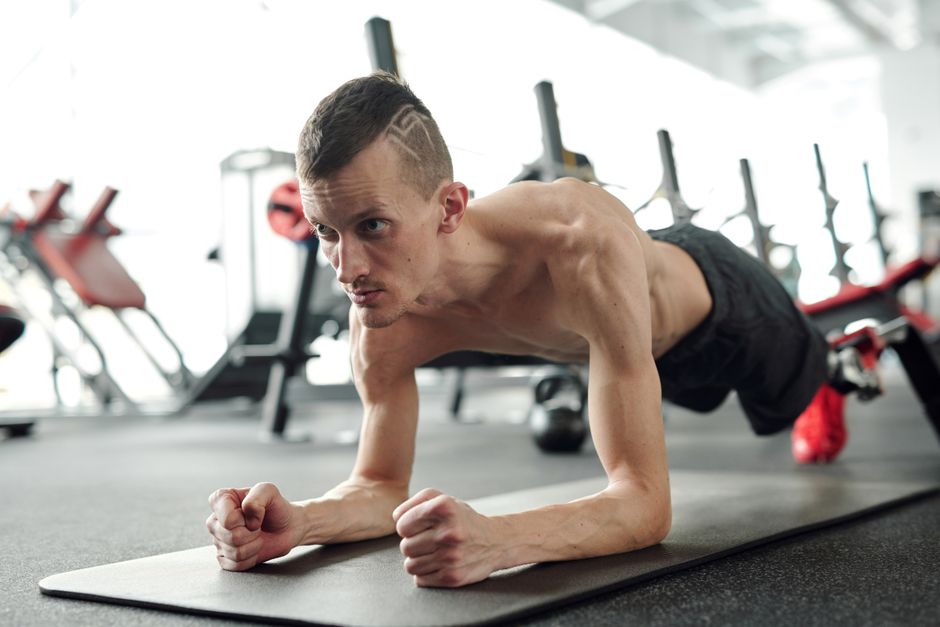
Planks are one of the most popular core exercises around, but they cannot burn belly fat on their own. No exercise can target fat loss from a specific area of your body. Planks build and strengthen your abdominal muscles, but they do not directly remove the layer of fat covering them.
Belly fat comes off through a caloric deficit, meaning you burn more calories than you consume. Planks help with that goal because they burn some calories and build muscle, but they are not a magic solution for a flat stomach. To see results, you need a combination of a healthy diet, full-body exercise, and consistent effort.
Why Planks Do Not Target Belly Fat
Your body stores fat in a specific order based on genetics and hormones. When you lose weight, your body decides where to pull fat from. You do not get to choose that location. This concept is called spot reduction, and research consistently shows it does not work.
Studies have examined whether doing hundreds of abdominal exercises reduces belly fat more than general exercise. The results are clear: doing core exercises strengthens the muscles underneath, but it does not significantly reduce the fat layer on top. Your body burns fat from all over, not just from the area you are working out.
Planks are excellent for building endurance in your core muscles. They engage your rectus abdominis, obliques, and transverse abdominis. A stronger core improves posture, balance, and stability. But a strong core hidden under belly fat will not look toned until the fat layer is reduced through overall weight loss.
What Actually Burns Belly Fat
Belly fat responds to the same rules as fat anywhere else on your body. You need to create a consistent caloric deficit. This means eating fewer calories than your body uses each day. When your body needs more energy than your food provides, it taps into stored fat for fuel.
Full-body exercises burn more calories than isolated core work. Activities like walking, running, cycling, swimming, and strength training with compound movements are more effective for fat loss. These exercises engage multiple muscle groups and raise your heart rate for longer periods.
High-intensity interval training, often called HIIT, has shown good results for reducing belly fat in some studies. HIIT involves short bursts of intense effort followed by brief recovery periods. It burns calories during the workout and can keep your metabolism elevated afterward.
Strength training matters too. Muscle tissue burns more calories at rest than fat tissue does. Building muscle through resistance training increases your resting metabolic rate, which makes it easier to maintain a caloric deficit over time.
How Planks Fit Into a Fat Loss Plan
Planks should not be your only exercise, but they do have a place in a complete routine. A strong core supports better performance in other exercises. It helps you maintain proper form during squats, deadlifts, and running. It also protects your lower back during daily movements.
You can add planks to your workout two to three times per week. Start with holding a plank for 20 to 30 seconds and gradually increase the time as you get stronger. Quality matters more than duration. A plank with proper form for 30 seconds is better than a sagging plank held for two minutes.
Proper plank form keeps your body in a straight line from your head to your heels. Engage your abdominal muscles, squeeze your glutes, and keep your neck neutral. Your elbows should be directly under your shoulders if you are doing a forearm plank.
Planks burn a modest number of calories. A 150-pound person might burn about 3 calories per minute during a plank. Holding a plank for one minute burns roughly 3 calories. Compare that to running, which burns about 10 to 12 calories per minute for the same person. The difference is substantial.
Diet Is the Biggest Factor
You cannot out-exercise a poor diet. Belly fat is strongly influenced by what you eat. Excess calories from any source contribute to fat storage, but some foods affect belly fat more than others.
Sugary drinks are a major contributor to belly fat. Liquid calories from soda, sweetened tea, and fruit juices do not make you feel full the way solid food does. This makes it easy to consume extra calories without realizing it. Replacing sugary drinks with water is one of the simplest changes you can make.
Processed foods and refined carbohydrates also promote fat storage. Foods made with white flour and added sugar spike your blood sugar and insulin levels. High insulin levels signal your body to store fat, particularly around your midsection. Whole foods like vegetables, lean proteins, and whole grains keep your blood sugar steadier.
Protein is especially helpful for fat loss. It keeps you full longer and requires more energy to digest than carbohydrates or fats. Aim to include a source of protein at each meal. Eggs, chicken, fish, beans, and Greek yogurt are solid choices.
The Role of Sleep and Stress
Sleep and stress play a larger role in belly fat than many people realize. Poor sleep disrupts the hormones that regulate hunger. When you are sleep-deprived, your body produces more ghrelin, which stimulates appetite, and less leptin, which signals fullness. This combination makes you hungrier and more likely to overeat.
Chronic stress raises cortisol levels in your body. Elevated cortisol is linked to increased abdominal fat storage. Your body interprets prolonged stress as a threat and holds onto fat, particularly around your organs. Managing stress through activities like walking, meditation, or hobbies can help keep cortisol levels in check.
Most adults need seven to nine hours of sleep per night. Consistent sleep schedules and a cool, dark bedroom can improve sleep quality. These habits support your fat loss efforts even when you are not thinking about food or exercise.
Realistic Expectations for Results
Visible changes in belly fat take time. A healthy rate of weight loss is about one to two pounds per week. Since belly fat is often the last fat to go, you may notice changes in your face, arms, or legs before your midsection changes. This is normal and does not mean your efforts are failing.
Planks will make your abdominal muscles stronger. You will notice improved posture and better balance within a few weeks. But seeing defined abs requires a low enough body fat percentage for the muscles to be visible. For many people, this requires losing 10 to 20 pounds or more, depending on their starting point.
Genetics determine where you lose fat first and last. Some people naturally carry more weight in their midsection. You cannot change your genetic blueprint, but you can improve your overall health and fitness within your body’s natural tendencies.
Focus on how you feel rather than only how you look. Planks build functional strength that makes daily tasks easier. Combined with a healthy diet and regular exercise, they contribute to better health even before visible changes appear.
A Balanced Approach That Works
A realistic plan for reducing belly fat includes several components. Eat a diet based on whole foods with plenty of vegetables and protein. Move your body most days of the week with a mix of cardio and strength training. Prioritize sleep and manage stress.
Planks fit into this plan as part of your strength training. They are not the main event, but they support your overall fitness. Think of them as one tool in a toolbox rather than the solution to belly fat.
Consistency beats intensity. A moderate routine you stick with for months will produce better results than an aggressive routine you abandon after two weeks. Set small goals and build on them gradually.
Frequently Asked Questions
How long should I hold a plank to see results?
Hold a plank for 20 to 30 seconds with proper form and gradually increase your time. Planks build core strength, but they will not reduce belly fat without diet and full-body exercise.
Can I lose belly fat by doing planks every day?
No, doing planks every day will not specifically reduce belly fat. Your body loses fat from all areas based on genetics, and planks burn too few calories to create a meaningful caloric deficit on their own.
What is the best exercise to burn belly fat?
Full-body exercises that burn many calories, like running, cycling, swimming, or compound strength training, are most effective for fat loss. No single exercise targets belly fat exclusively.
How long does it take to see a flatter stomach from planks?
You may notice improved posture and core strength within a few weeks of regular planking. Visible fat loss from your midsection depends on overall weight loss and typically takes several months of consistent effort.
