
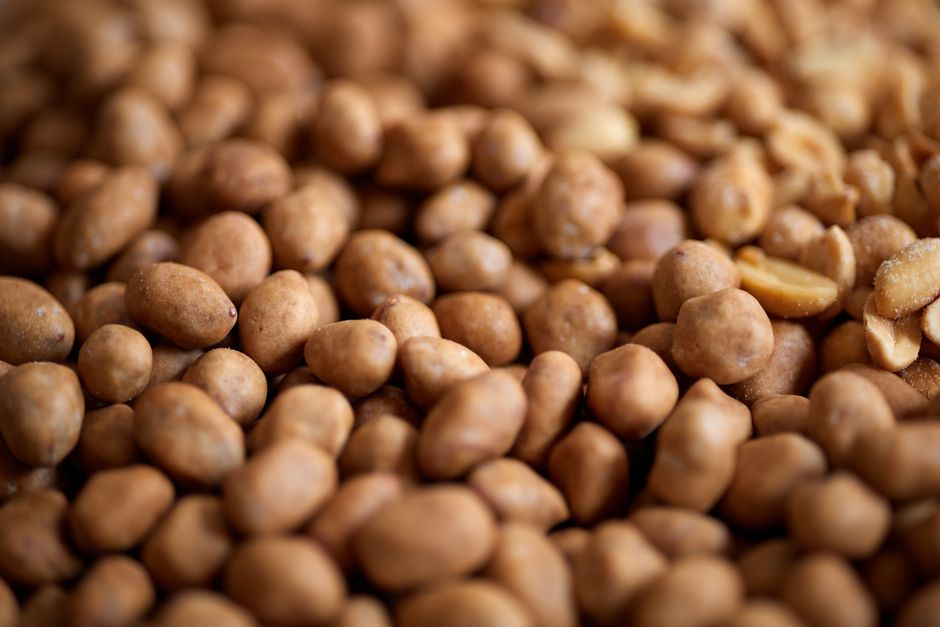
Yes, peanuts can go bad — and they can do it in two very different ways. One way is spoilage, where the fats turn rancid and the nuts taste stale or bitter. The other way is contamination with a mold that produces aflatoxin, a substance that is a genuine health concern even when the nuts look and taste normal. Peanuts last longer than many people assume, but they do not last forever, and how you store them matters more than the date on the package.
Can Peanuts Go Bad?
Peanuts are seeds with a high fat content, and fat is the part that breaks down. When peanut fats are exposed to oxygen, heat, and light, they oxidize. That process is called rancidity, and it changes both flavor and smell. Rancid peanuts taste like old paint or cardboard. They are not a food safety emergency in the way spoiled meat is, but they are unpleasant and the quality is gone.
The second problem is more serious. Peanuts can be colonized by molds in the Aspergillus family, which can produce aflatoxin. This is not a sign of a dirty kitchen. It can happen in the field, during harvest, or in storage when conditions are warm and damp. Aflatoxin is a known human liver carcinogen, and long-term exposure through contaminated food is a recognized public health concern worldwide. Regulatory agencies in the US and many other countries set limits on aflatoxin in peanuts and peanut products sold for human consumption.
That regulatory layer is why the peanuts you buy at a US grocery store are unlikely to carry dangerous aflatoxin levels. It is not a guarantee that no batch ever slips through, but the testing system exists specifically to catch it.
How Long Do Peanuts Last?
Shelf life depends heavily on the form of the peanut and how it is stored. There is no single answer, but the general pattern is consistent.
- Unopened vacuum-sealed or canned peanuts: often good for many months past the printed date if kept cool and dry
- Opened jar of roasted peanuts: quality declines within weeks to a few months at room temperature
- Peanuts in the refrigerator: noticeably longer, often several months
- Peanuts in the freezer: the longest option, commonly up to a year or more for quality retention
- Raw peanuts in the shell: shorter than most people expect, because the shell does not seal out moisture or oxygen
These are general ranges, not fixed rules. Storage temperature, humidity, and how much air the container lets in will move these numbers around. A hot, humid kitchen shortens shelf life. A cool, dry pantry extends it.
One thing worth knowing: the “best by” date on peanuts is about quality, not safety. Peanuts can be perfectly safe to eat after that date and still taste flat. The reverse is also possible — peanuts within their date can turn if they were stored badly.
How Can You Tell If Peanuts Have Gone Bad?
Your senses catch most problems before anything else will. Start with smell. Fresh peanuts smell nutty and slightly sweet. Rancid peanuts smell like crayons, old oil, or a musty basement. That smell is the oxidation byproducts, and it does not go away with roasting or salting.
Next, taste one. A bitter, soapy, or paint-like flavor means the fats have broken down. Spit it out and discard the batch. Bitterness in peanuts is not something to push through.
Then look. Mold on peanuts typically appears as a greenish-yellow or grayish fuzz, sometimes with dark spots or powdery patches. Any visible mold means the whole container should go. Mold filaments can extend beyond what you can see, so picking out the obviously moldy ones and eating the rest is not a safe approach.
Texture matters too. Soft, limp, or chewy peanuts have absorbed moisture. Moisture is exactly what molds need, so softness is a warning sign even without visible growth.
Here is the part that catches people off guard: aflatoxin itself has no taste, no smell, and no visible color. Peanuts contaminated with it can look and taste completely normal. That is why visible mold is a clear reason to throw food out, but the absence of visible mold is not proof of safety. It is a limitation of what your senses can detect.





Does Roasting or Cooking Make Bad Peanuts Safe?
No. Heat does not reliably destroy aflatoxin. Aflatoxins are relatively heat-stable, and typical roasting temperatures and times used for peanuts do not eliminate them. Some reduction can occur under certain industrial conditions, but home roasting, boiling, or baking is not a reliable decontamination step.
This is a common misunderstanding. People assume that because cooking kills bacteria, it will handle mold toxins too. It does not work that way. Bacterial contamination and mold toxin contamination are different problems with different solutions. For bacteria, heat is often the answer. For aflatoxin, the answer is prevention — keeping peanuts dry and cool so the mold never grows in the first place.
Rancidity is a separate issue from aflatoxin, and heat does not fix that either. Rancid fats stay rancid.
How Should You Store Peanuts?
Cool, dry, and dark is the short version. Each of those three factors slows down both oxidation and mold growth.
For short-term storage, an airtight container in a cool pantry works. A glass jar with a tight lid is better than a loosely folded bag, because air exchange speeds up rancidity. Keep peanuts away from the stove, the dishwasher, and any spot that gets warm during the day.
For anything longer than a few weeks, the refrigerator is a better choice. The cold slows oxidation noticeably. For months of storage, the freezer is best. Peanuts freeze well and thaw quickly without much quality loss. Let them come to room temperature before eating so condensation does not form on them.
Buy in quantities you will actually use. A large bulk bag is cheaper per ounce, but if it sits in a warm pantry for a year, you have not saved anything. Smaller amounts bought more often usually win.
If you buy from bulk bins, pay attention to turnover. Bulk bins expose peanuts to air and to other shoppers, and there is no way to know how long they have been sitting. A sealed package with a date gives you more information.
Are Peanut Butters and Peanut Oils Different?
Yes, and in ways that matter.
Natural peanut butter — the kind that separates, with oil pooling on top — has no added stabilizers. That oil layer is normal. Stir it back in and store the jar in the refrigerator. Natural peanut butter goes rancid faster at room temperature than the stabilized kind because the oil is more exposed and there is nothing slowing oxidation.
Conventional peanut butter contains hydrogenated or partially hydrogenated oils that keep it from separating. Those added fats are more shelf-stable, so the jar lasts longer. Once opened, refrigeration is still a good idea, especially if you eat it slowly.
Peanut oil is more resistant to rancidity than whole peanuts, partly because refining removes some of the compounds that speed up oxidation. It still goes bad eventually. Smell it before using it. Fresh peanut oil smells like peanuts. Old peanut oil smells like old oil, and that smell does not improve with heat.
Powdered peanut products, peanut flour, and peanut protein powders are more vulnerable than whole nuts because the surface area is much larger. More surface area means faster oxidation. Check the date and store them tightly sealed.
Who Should Be More Careful?
Anyone with a peanut allergy should avoid peanuts and peanut products entirely, regardless of freshness. This is not a spoilage issue — it is an immune response to peanut proteins that does not change with storage conditions. Some people with peanut allergy are also sensitive to aflatoxin, but the allergy itself is the primary concern.
People with liver disease may want to be more attentive to aflatoxin exposure, since the liver is the organ that processes it. The evidence for aflatoxin’s role in liver cancer is strongest in populations with chronic hepatitis B infection and in regions with poorly regulated food supplies. For a US consumer buying regulated peanut products, the exposure level is generally low.
Infants and young children are a separate case. Current guidance from major pediatric and allergy organizations supports introducing peanut-containing foods to infants at appropriate ages and in age-appropriate forms, because early introduction has been shown to reduce the risk of developing peanut allergy. That guidance is about allergy prevention, not spoilage. It does not change the storage rules. Always use fresh peanuts and fresh peanut products for infants, and never give whole peanuts to children under four because of choking risk.
Frequently Asked Questions
Can peanuts go bad in the freezer?
They can eventually, but the freezer slows spoilage far more than any other storage method. Airtight packaging matters most there, because freezer burn and moisture are the main risks over long storage.
Can you get sick from eating rancid peanuts?
Rancid peanuts are primarily a quality problem and typically cause stomach upset at most. The more serious concern is aflatoxin, which is a separate issue and is not detectable by taste or smell.
Does mold on peanuts always mean aflatoxin?
No. Many molds grow on peanuts without producing aflatoxin, and only certain Aspergillus species produce it. Because you cannot tell which mold you are looking at, any visible mold means the batch should be discarded.
Can you eat peanuts after the expiration date?
Often yes, if they have been stored cool and dry and still smell and taste normal. The date is a quality marker, not a safety cutoff, but any off smell, bitter taste, or visible mold means they should go.
