
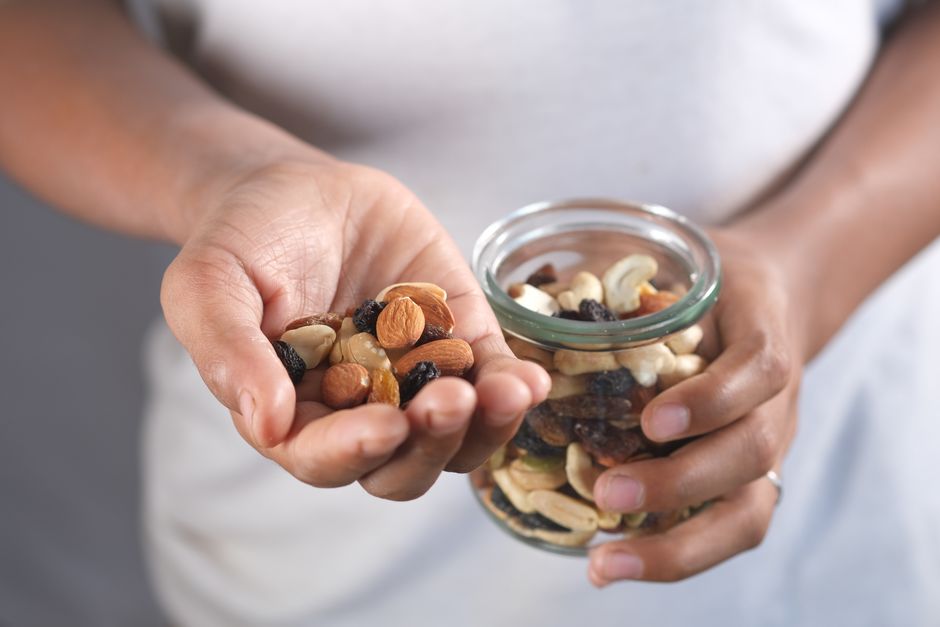
Yes, peanuts can cause gas. For most people, this happens because peanuts are high in fiber and contain certain carbohydrates that the small intestine does not fully digest. When these undigested parts reach the colon, bacteria ferment them, producing gas as a natural byproduct. This is a normal digestive process, not a sign that something is wrong.
Why Do Peanuts Cause Gas in Some People?
The main reason peanuts cause gas is their fiber content. A standard serving of peanuts contains a meaningful amount of dietary fiber, and fiber is not broken down by human digestive enzymes. It passes into the large intestine mostly intact.
Once there, the resident bacteria ferment the fiber. Fermentation produces gases like hydrogen, methane, and carbon dioxide. The more fiber you eat in a short period, the more gas your body will produce. This is true for beans, broccoli, and whole grains too. Peanuts are not unique in this way.
Peanuts also contain oligosaccharides, a type of carbohydrate that is difficult for some people to break down fully. These compounds behave similarly to the ones found in beans, which is why some people feel bloated after eating peanuts even when they eat a small amount.
How Much Peanut Is Too Much?
There is no universal threshold that triggers gas. It depends on your usual fiber intake, your gut bacteria profile, and how quickly your digestive system moves food along. Someone who rarely eats fiber may feel bloated after a handful of peanuts. Someone who eats a high-fiber diet daily may not notice any effect at all.
The standard serving size for peanuts is about one ounce, which is roughly a small handful. Most people tolerate this amount without significant discomfort. Problems more often appear when someone eats several servings in one sitting, especially if they are not used to that much fiber at once.
If you are not accustomed to high-fiber foods, start with a smaller portion and increase gradually. This gives your gut bacteria time to adjust, which reduces the amount of gas produced.
Peanut Butter vs. Whole Peanuts: Is There a Difference?
Peanut butter generally causes less gas than whole peanuts. The reason is simple: peanut butter is partially processed. The grinding breaks down some of the cell walls, which makes the fiber slightly easier for your body to handle.
Whole peanuts, especially those with the skin on, contain more intact fiber. That fiber reaches the colon in a less broken-down state, giving bacteria more material to ferment. Roasted peanuts are not meaningfully different from raw peanuts in this regard. The roasting process does not change the fiber structure in a way that affects gas production.
One thing to watch for in peanut butter is added sugar alcohols. Some commercial peanut butters contain sugar substitutes like sorbitol or xylitol to improve taste. These compounds are poorly absorbed and can cause significant gas and bloating on their own. If you notice gas after switching to a new peanut butter, check the ingredient list.





Could It Be Something Other Than Gas?
Gas after eating peanuts is normal for many people, but persistent bloating or pain deserves attention. If you feel uncomfortable after every peanut meal, the issue may not be simple fermentation.
Some people have a peanut intolerance that is not a true allergy. This is different from anaphylaxis. Intolerance symptoms include bloating, cramping, and diarrhea that begin a few hours after eating. The cause is usually an inability to digest certain components of the peanut, not an immune system reaction.
A peanut allergy is a separate condition and is potentially serious. Symptoms of a true allergic reaction include hives, swelling of the lips or throat, difficulty breathing, and a sudden drop in blood pressure. These symptoms appear quickly, usually within minutes. If you experience any of these, seek emergency medical care immediately. Do not try to manage this at home.
If your symptoms are limited to gas and mild bloating, an allergy is unlikely. But if the gas is accompanied by cramping, changes in bowel habits, or worsening over time, it is worth discussing with a doctor. Conditions like irritable bowel syndrome can make people more sensitive to fermentable foods, and peanuts can trigger symptoms in that setting.
How to Reduce Gas From Peanuts
You do not have to give up peanuts if they cause gas. Several practical steps can reduce the effect.
- Eat smaller portions. A single serving is enough to get the nutritional benefit.
- Chew thoroughly. Chewing breaks down food mechanically, which gives your digestive system less work to do.
- Choose peanut butter over whole peanuts. The processing already did some of the breakdown work for you.
- Drink water. Fiber needs water to move through the digestive tract smoothly.
- Soak or roast peanuts at home. Some people find that cooking peanuts makes them easier to digest, though the evidence for this is not strong.
- Try digestive enzyme supplements. Some products contain alpha-galactosidase, the enzyme that breaks down oligosaccharides. Research on these supplements is limited, but some people report relief.
None of these steps are guaranteed to eliminate gas completely. They reduce the amount of undigested material reaching the colon, which reduces fermentation. If you still feel bloated after trying these, your body may simply be sensitive to peanuts, and reducing intake is a reasonable response.
Are There Health Benefits That Outweigh the Gas?
Peanuts are a nutrient-dense food. They provide protein, healthy monounsaturated fats, vitamin E, magnesium, and folate. Research consistently shows that regular nut consumption is associated with a lower risk of heart disease. Some studies also link nut intake to better weight management, despite their calorie density.
The fiber in peanuts also feeds beneficial gut bacteria. This is the same process that causes gas, but it has a positive side. A healthy gut microbiome is linked to better digestion, immune function, and even mood regulation. The gas you experience is evidence that your gut bacteria are active and fermenting fiber, which is a normal and healthy process.
If you tolerate peanuts reasonably well, the nutritional benefits likely outweigh the temporary discomfort of gas. If the gas is severe or painful, that changes the calculation. Listen to your body. Mild bloating is manageable. Severe cramping is a sign to reduce intake or avoid peanuts entirely.
When Should You See a Doctor About Gas?
Occasional gas after eating peanuts is not a medical concern. It is a normal digestive response. But gas that is persistent, severe, or accompanied by other symptoms warrants a medical evaluation.
See a doctor if you experience any of the following:
- Gas that lasts for more than a few days without relief
- Bloating accompanied by unintentional weight loss
- Severe abdominal pain that interferes with daily activities
- Changes in stool frequency or consistency
- Blood in the stool
These symptoms are not caused by peanuts alone. They point to an underlying digestive condition that needs proper diagnosis. Do not assume that gas is the only explanation if it comes with other warning signs.
Frequently Asked Questions
Are peanuts hard on the digestive system?
Peanuts are not hard on the digestive system for most people, but their fiber and oligosaccharide content can cause gas and bloating in sensitive individuals. Chewing thoroughly and eating smaller portions can help reduce discomfort.
How long after eating peanuts do you get gas?
Gas typically develops 30 minutes to 2 hours after eating peanuts, depending on your digestion speed. The fermentation process in the colon takes time, so symptoms may appear gradually rather than immediately.
Does roasting peanuts reduce gas?
Roasting does not significantly change the fiber or carbohydrate structure of peanuts, so it does not reduce gas production. The main factor is portion size and your individual digestive tolerance.
Can peanut butter cause bloating like whole peanuts?
Peanut butter generally causes less bloating than whole peanuts because the grinding process partially breaks down fiber. However, peanut butter with added sugar alcohols can cause significant bloating on its own.
