
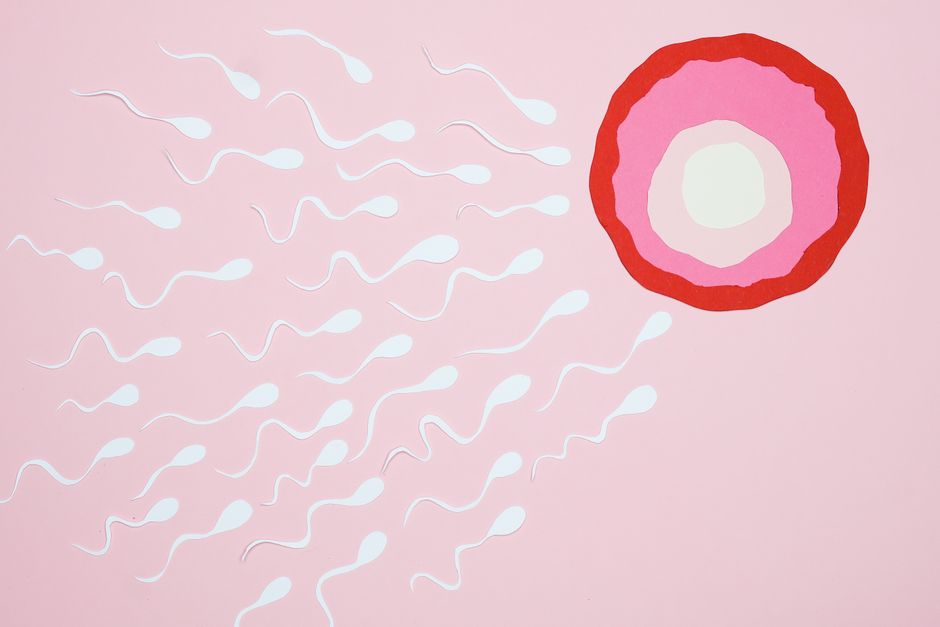
Yes, ovulation can cause an upset stomach for some people. The hormonal shifts that trigger the release of an egg can also affect your digestive tract, leading to nausea, bloating, or stomach discomfort. This is a normal response for many women, though the severity and exact symptoms vary widely from person to person.
What Happens in Your Body During Ovulation
Ovulation is the moment an ovary releases a mature egg. It usually happens once per cycle, roughly midway through your menstrual cycle. For most women with a 28-day cycle, that falls around day 14.
Right before ovulation, your body experiences a rapid surge of luteinizing hormone (LH). This surge triggers the release of the egg. At the same time, estrogen levels peak and then drop quickly. Progesterone begins to rise after ovulation to prepare the uterine lining for a possible pregnancy.
These hormones do not just affect your reproductive system. They travel through your bloodstream and can influence other parts of your body, including your stomach and intestines. That is why some women notice digestive changes around ovulation.
Can Ovulation Cause an Upset Stomach?
Yes. The hormonal changes around ovulation can cause nausea, stomach cramps, bloating, and changes in bowel habits. This is not a widely discussed symptom, but it is a real one that many women experience.
The main culprit is the sudden drop in estrogen that happens right after the egg is released. Estrogen influences the digestive tract in several ways. It can affect how quickly food moves through your system and how sensitive your stomach is to irritation. When estrogen levels fall sharply, some women feel queasy or develop mild stomach pain.
Prostaglandins also play a role. These are hormone-like substances that help the ovary release the egg. They can also cause the muscles in your digestive tract to contract. That contraction can lead to cramping, diarrhea, or a general feeling of stomach upset.
Common Digestive Symptoms Around Ovulation
Digestive symptoms during ovulation are usually mild and short-lived. They typically last anywhere from a few hours to a couple of days. Common symptoms include:
- Nausea or a queasy feeling
- Bloating or a feeling of fullness
- Mild stomach cramps or aches
- Changes in bowel habits, like looser stools or constipation
- Loss of appetite
These symptoms often appear on one side of the lower abdomen. That is because the ovary releasing the egg is on that side. The pain is called mittelschmerz, a German word meaning “middle pain.” It is a well-documented symptom of ovulation, though not everyone feels it.
If you also have nausea or an upset stomach along with that one-sided pain, ovulation is a likely explanation. The digestive symptoms usually resolve on their own as your hormone levels settle.





Why Some Women Feel Nausea During Ovulation
Nausea during ovulation is linked to the rapid changes in estrogen and progesterone. These hormones can affect the part of the brain that controls nausea and vomiting. When hormone levels shift quickly, that area can become triggered.
Estrogen also slows down the emptying of the stomach. When food stays in your stomach longer than usual, it can cause nausea, bloating, and a feeling of being overly full. This is the same reason some women feel nauseous during pregnancy, when estrogen and progesterone levels are much higher.
Another factor is the physical irritation of the abdominal cavity. When the egg breaks through the ovarian wall, a small amount of fluid and blood can leak into the pelvic area. This can irritate the lining of the abdomen and cause mild pain that radiates to the stomach. For some women, this feels like an upset stomach even though the source is pelvic, not gastric.
How Long Do Ovulation Stomach Symptoms Last?
Most digestive symptoms related to ovulation last between a few hours and two days. The discomfort typically peaks around the day of ovulation and fades quickly afterward.
Once the egg is released, estrogen levels drop sharply for a short period before rising again. This fluctuation is temporary. Your body adjusts to the new hormone balance, and the digestive symptoms usually settle down.
If your stomach upset lasts longer than two or three days, it is less likely to be related to ovulation. Persistent nausea, vomiting, or abdominal pain should be evaluated by a healthcare provider. These symptoms can indicate a different condition that needs attention.
What Helps with Ovulation Stomach Upset
There is no specific medical treatment for ovulation-related stomach upset because it is a normal physiological response, not a disease. However, some simple measures can help you feel more comfortable.
Eating smaller, more frequent meals can help if nausea is your main symptom. An empty stomach can make nausea worse, but a large meal can also trigger it. Bland foods like crackers, toast, or rice are often easier to tolerate than heavy or spicy meals.
Staying hydrated is important. Drinking water throughout the day can help with bloating and keep your digestive system moving normally. Herbal teas like ginger or peppermint are commonly used for nausea, though the evidence for their effectiveness is limited.
Applying a warm heating pad to your lower abdomen can ease cramping. Heat helps relax the muscles that are contracting and causing discomfort. Over-the-counter pain relievers like ibuprofen can also help with ovulation pain, but you should follow the dosing instructions on the label.
If your symptoms are mild and predictable each month, tracking them can help you plan. Knowing that day 14 or 15 tends to bring nausea can help you prepare by keeping easy-to-digest snacks on hand and scheduling lighter activities.
When to See a Doctor for Stomach Pain
Mild stomach upset around ovulation is normal. But some symptoms are not normal and should prompt a medical evaluation.
Seek medical attention if you experience severe abdominal pain that does not improve, pain that radiates to your shoulder, fever, vomiting that prevents you from keeping fluids down, or fainting. These can be signs of a more serious condition like an ovarian cyst rupture, appendicitis, or an ectopic pregnancy.
Also talk to a doctor if the stomach upset is severe enough to interfere with your daily life. If you regularly miss work or cancel plans because of nausea or pain around ovulation, there are options to explore. Hormonal birth control is sometimes used to suppress ovulation and eliminate these symptoms, but that is a decision to make with a healthcare provider.
Keep in mind that some digestive conditions have nothing to do with ovulation. Irritable bowel syndrome (IBS), food intolerances, and gastrointestinal infections can all cause similar symptoms. If your stomach issues happen at other times of the month too, ovulation is probably not the whole story.
Tracking Your Symptoms to Confirm the Pattern
If you are unsure whether ovulation is causing your stomach upset, tracking your symptoms can help. Keep a simple diary of when you feel nauseous or bloated and note where you are in your cycle.
You can also track other ovulation signs like changes in cervical mucus or basal body temperature. These can help you pinpoint when ovulation occurs. If your stomach symptoms consistently line up with that window, the connection becomes clearer.
There are apps designed for cycle tracking that make this easy. They can help you see patterns over several months. This information is also useful if you decide to discuss your symptoms with a doctor.
Frequently Asked Questions
Can ovulation make you feel nauseous?
Yes, the rapid drop in estrogen right after the egg is released can trigger nausea in some women. This usually passes within a day or two.
How long does ovulation stomach upset last?
Most women feel digestive symptoms for a few hours up to two days. If symptoms last longer than three days, another cause is more likely.
Is it normal to have diarrhea during ovulation?
Yes, some women experience looser stools around ovulation. Prostaglandins released during ovulation can cause the digestive tract muscles to contract more than usual.
What does ovulation pain feel like?
Ovulation pain is usually a sharp or dull cramp on one side of the lower abdomen. It can last from a few minutes to a few hours and may come with mild nausea.
