
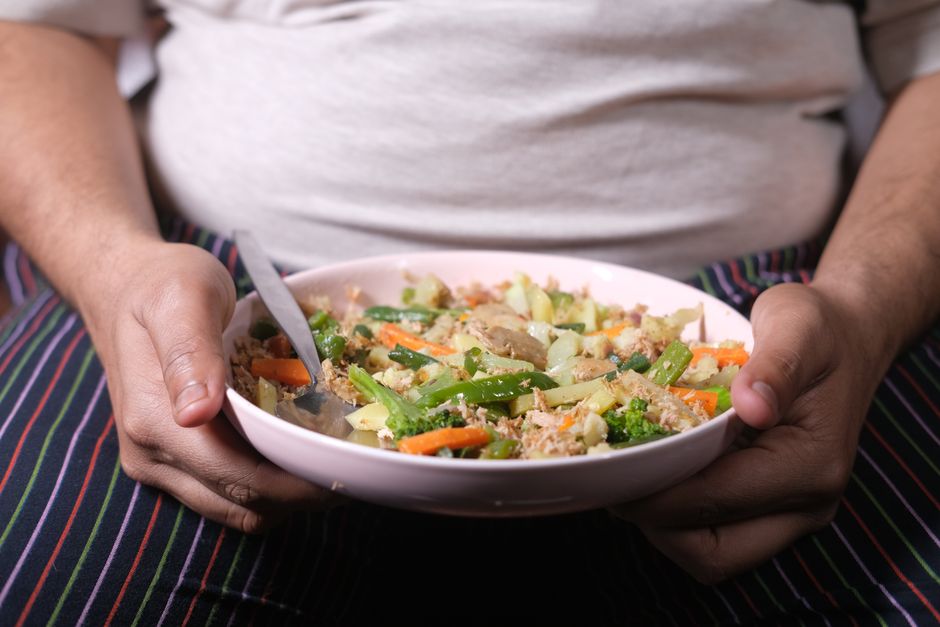
A single meal can shift your cholesterol numbers, but usually not the one most people worry about. A fatty dinner the night before a lipid panel has little effect on LDL cholesterol, the number doctors focus on most. What a recent meal can do is raise triglycerides and slightly change HDL, which is why fasting status still matters for some tests.
The confusion comes from how cholesterol tests are ordered and interpreted. Whether you need to fast at all depends on which numbers your doctor is tracking and your personal risk. Here is what the evidence actually shows about food, timing, and your results.
What Does A Cholesterol Test Actually Measure?
A standard lipid panel reports four numbers: total cholesterol, LDL cholesterol, HDL cholesterol, and triglycerides. Each behaves differently after eating.
LDL carries cholesterol to your tissues and is the main target of cholesterol treatment. HDL helps carry cholesterol back to the liver. Triglycerides are the storage form of fat in your blood, and they are the number most sensitive to what you ate recently.
Your body makes most of the cholesterol in your blood on its own, in the liver. Dietary cholesterol from a single meal contributes a small fraction of the total. That is one reason a single egg or a steak does not meaningfully move your LDL the next morning.
Can One Meal Affect A Cholesterol Test?
Yes, but mostly through triglycerides. A meal containing fat raises triglyceride levels for several hours afterward, and the effect is larger after a high-fat meal than a low-fat one.
LDL changes very little in response to a single meal. Total cholesterol is also fairly stable in the short term. HDL may dip slightly after eating, but the shift is small.
The practical consequence: a non-fasting sample can show triglycerides that look high compared with your usual level, simply because you ate recently. Some clinicians interpret this correctly, but a fasting sample removes the ambiguity.
Does Fasting Still Matter For A Lipid Panel?
For many people, no. Major guidelines in the United States and Europe have moved toward allowing non-fasting lipid testing for routine cardiovascular risk assessment, because the evidence shows non-fasting and fasting results predict risk similarly in most patients.
Fasting still matters in specific situations. If your triglycerides are being monitored, if you have high triglycerides or diabetes, or if your doctor is adjusting treatment based on lipid numbers, a fasting sample is often preferred. Your clinician’s instructions should take priority over general guidance.
When fasting is requested, the usual instruction is to avoid food for about 9 to 12 hours beforehand. Water is fine. This is standard clinical practice rather than a single universal rule, so follow the specific window your lab or doctor gives you.
How Long Does Food Affect Triglycerides?
Triglycerides peak a few hours after a meal and typically return toward baseline within roughly 8 to 12 hours in most people. The exact timing varies with the size and fat content of the meal and with individual metabolism.
This is why a fasting window of 9 to 12 hours is commonly used. It is long enough that most people’s triglycerides have settled before the blood draw.
People with diabetes, obesity, or existing high triglycerides may clear fat from the blood more slowly. In those cases, a recent meal can produce a larger and longer-lasting rise.
What Should You Eat The Night Before A Cholesterol Test?
There is no special meal that improves your cholesterol result, and trying to manipulate the test defeats its purpose. The goal is a sample that reflects your usual state, not an artificially low reading.
If you are fasting, eat your normal dinner and then stop eating at the time your doctor specifies. A very high-fat or very high-sugar meal the night before can still leave triglycerides elevated in some people, so a typical meal is reasonable.
- Avoid alcohol the night before, since it can raise triglycerides.
- Drink water normally unless told otherwise.
- Take medications as directed unless your doctor says to skip one.
- Skip strenuous exercise right before the draw, as intense activity can affect some lipid values.
None of these steps will change your underlying cardiovascular risk. They simply reduce the chance of a misleading result.
Can A Single High-Fat Meal Raise Cholesterol Long Term?
No. One meal does not change your long-term cholesterol level. What matters is your pattern of eating over weeks and months, along with genetics, activity, weight, and other factors.
This is a common point of confusion. People sometimes fear that a single indulgent meal will show up on a test as a lasting problem. It will not. The short-term triglyceride rise after a fatty meal is temporary and distinct from your baseline cholesterol.
What does influence cholesterol over time is the overall composition of your diet, particularly the balance of saturated and unsaturated fats, along with fiber intake. Those effects build gradually, not overnight.
Why The Timing Of Your Test Matters More Than One Meal
Consistency matters more than perfection. If you always test under similar conditions, you and your doctor can compare results over time and spot real trends.
A single unusual reading, whether from a recent meal or an off day, is rarely meaningful on its own. Clinicians generally look at patterns across multiple tests before making treatment decisions. If one result looks off, repeating the test under standardized conditions is common practice.
This is where a recent meal can genuinely cause trouble: not by damaging your health, but by creating a number that looks alarming and leads to unnecessary worry or repeat testing.
The Bottom Line On Food And Cholesterol Tests
A recent meal mainly affects triglycerides and has little effect on LDL cholesterol. Fasting is no longer required for routine screening in most people, but it still matters when triglycerides are the focus or when your doctor asks for it.
Follow your clinician’s instructions, eat normally otherwise, and do not try to game the test. The value of a cholesterol test comes from it reflecting your real state, not a carefully staged one.
Frequently Asked Questions
Can I eat before a cholesterol test?
For many routine lipid panels, eating beforehand is acceptable and does not meaningfully change cardiovascular risk interpretation. However, if your doctor or lab asks you to fast, follow that instruction, especially if your triglycerides are being monitored.
Does one fatty meal raise LDL cholesterol?
No, a single fatty meal has little effect on LDL cholesterol. It mainly raises triglycerides for several hours after eating.
How long should I fast before a cholesterol blood test?
When fasting is requested, the common instruction is about 9 to 12 hours without food, with water allowed. Follow the specific window your doctor or lab provides.
Can coffee affect a cholesterol test?
Black coffee without added fat or sugar is generally considered fine before a lipid test. Coffee drinks with cream, butter, or sugar add fat and calories that can affect triglycerides, so those are best avoided during a fasting window.
