
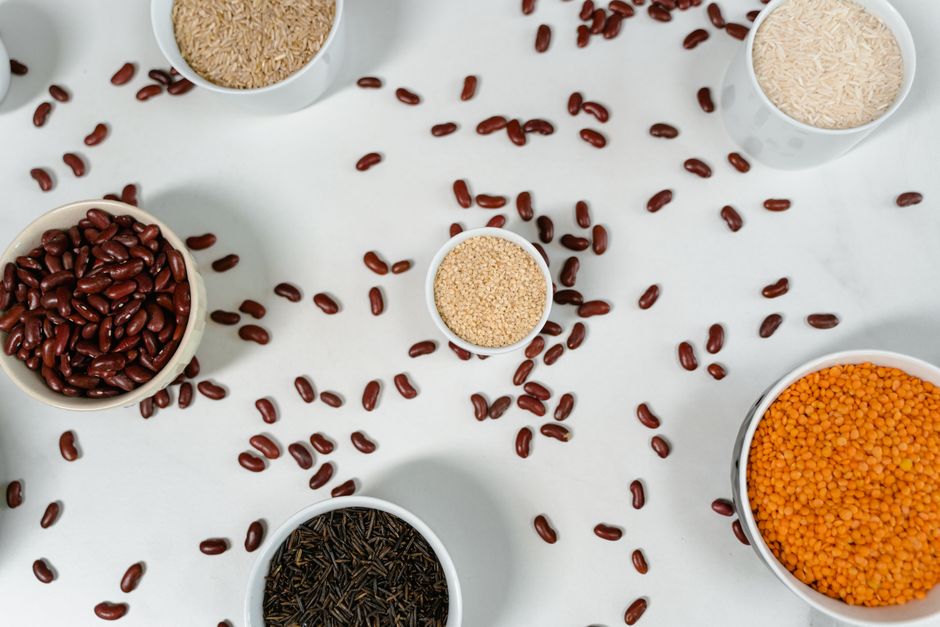
A can of kidney beans is a cooked, ready-to-eat legume that is safe to eat straight from the can without further cooking. The canning process fully cooks the beans, so they are soft, shelf-stable, and can be added directly to salads, dips, and cold dishes. Canned kidney beans are also a practical source of plant protein and fiber, though they often contain added sodium that drained and rinsed beans can reduce.
What Is Actually in a Can of Kidney Beans?
A standard 15-ounce can holds about 1.5 cups of drained beans, or roughly 3.5 servings. The rest of the can is water or a light brine, plus salt in most brands.
Kidney beans are a legume, not a vegetable in the culinary sense, though nutrition guidance often groups them with the vegetable category because of their nutrient profile. The two main types sold in cans are dark red kidney beans and light red kidney beans. They have similar nutrition. White kidney beans, also called cannellini, are a separate variety with a milder flavor.
Here is what a half-cup of drained, rinsed canned kidney beans typically provides, based on USDA nutrient data:
- About 110 calories
- Roughly 7 to 8 grams of protein
- About 6 to 7 grams of fiber
- Around 1 gram of fat
- Significant amounts of folate, iron, and potassium
The exact numbers shift a little by brand and by how much liquid is included. Sodium is the number that varies most. Some cans list several hundred milligrams per serving. Others, labeled “no salt added,” contain almost none.
Are Canned Kidney Beans Already Cooked?
Yes. Canned kidney beans are fully cooked during the canning process. That is why you can eat them cold, straight from the can, without any risk from raw-bean toxins.
This matters more than most people realize. Raw and undercooked kidney beans contain a toxin called phytohemagglutinin. Eating just a few raw beans can cause severe nausea, vomiting, and diarrhea within a few hours. The toxin is destroyed by thorough cooking, and the high-heat canning process does this reliably.
Dried kidney beans are a different story. They need to be soaked and then boiled hard for a sustained period. Slow cookers are a common problem here. A slow cooker may not reach a high enough temperature to break down the toxin, and there are documented cases of illness from beans cooked this way. If you cook dried kidney beans, boiling is the safe method.
Canned beans skip all of that. The canning step is the cooking step.
Do You Need to Rinse Canned Kidney Beans?
Rinsing is not required for safety, but it does change the taste and the sodium content. Draining and rinsing can remove a meaningful share of the added sodium, though the exact amount depends on the brand and how thoroughly you rinse.
There is a second reason people rinse. The liquid in the can, sometimes called aquafaba when it comes from certain beans, can carry a slightly metallic or salty taste. Rinsing gives the beans a cleaner flavor that works better in salads and cold dishes.
If you are using the beans in a soup, chili, or stew, you can often skip rinsing. The liquid blends into the dish. If you are watching sodium, rinsing is a simple step that costs nothing.





Are Canned Kidney Beans as Healthy as Dried?
For most purposes, canned and dried kidney beans are nutritionally close. The canning process does cause some loss of certain water-soluble vitamins, and canned beans tend to carry more sodium unless you choose a no-salt-added version.
The bigger difference is convenience and how likely you are to actually eat them. Dried beans take hours of soaking and cooking. Canned beans take two minutes. For most people, the practical winner is the one they will use.
One point worth knowing: the liquid in a can of beans is not the same as the liquid from a can of chickpeas. Chickpea liquid, aquafaba, is used as an egg replacer in some recipes because it whips and thickens. Kidney bean liquid does not behave the same way and is not a reliable substitute.
Can You Eat Canned Kidney Beans Every Day?
For most healthy adults, eating beans most days is fine and is consistent with dietary guidance that encourages legumes as a protein source. Beans are linked to good fiber intake, and fiber supports digestive and heart health.
The main caution is gradual introduction. If you are not used to eating beans, adding a lot at once can cause gas and bloating. That is normal and usually settles as your gut adjusts. Starting with a smaller portion and increasing over a few weeks tends to help.
People with certain conditions should check with a clinician first. If you have kidney disease, the potassium and phosphorus in beans may matter and your intake may need to be managed. If you take blood thinners like warfarin, the vitamin K in beans can interact with the medication, and consistency in intake matters more than avoidance. These are situations where individual guidance beats general advice.
How Should You Store and Use Canned Kidney Beans?
An unopened can keeps for a long time in a cool, dry place. Check the date on the can, though many cans stay good well past it if stored properly. Never use a can that is bulging, leaking, or dented along a seam. Those are signs of possible spoilage or contamination.
Once you open a can, the beans are no longer shelf-stable. Move any leftovers to a covered container and refrigerate them. The USDA recommends using refrigerated cooked beans within about three to four days.
For everyday use, canned kidney beans fit easily into:
- Salads, where they add protein and texture
- Chili, soups, and stews
- Rice and grain bowls
- Mashed into dips or spreads
- Mixed with corn, peppers, and lime for a cold side dish
They hold their shape reasonably well, which is why they work in dishes where you want a distinct bean rather than a soft one.
What About the Claims on the Label?
Canned beans are sometimes marketed with phrases like “supports heart health” or “helps manage blood sugar.” The underlying nutrition is real. Beans are a good source of fiber and plant protein, and diets rich in legumes are associated with better health outcomes in large population studies.
What those labels do not mean is that eating this specific can of beans will produce a specific health result in you. No single food does that. The honest read is that beans are a solid, well-studied food that fits into an overall healthy pattern. The label is selling the pattern, not a guarantee.
One more clarification. “No salt added” and “low sodium” are not the same claim. No salt added means no salt was added during processing, but the beans may still contain naturally occurring sodium. Low sodium is a regulated claim with a defined limit. If sodium is your concern, read the nutrition panel rather than the front of the can.
Frequently Asked Questions
Can you eat kidney beans straight from the can?
Yes. Canned kidney beans are fully cooked and safe to eat cold without any further cooking. The canning process destroys the toxin found in raw beans.
Are canned kidney beans bad for you?
No. They are a good source of plant protein and fiber, and for most people they are a healthy food. The main thing to watch is added sodium, which draining and rinsing can reduce.
How long do canned kidney beans last after opening?
Once opened, refrigerate leftovers in a covered container and use them within about three to four days, per USDA guidance. Unopened cans keep far longer in a cool, dry place.
Do you have to cook canned kidney beans?
No. They are already cooked. You can eat them cold or add them to hot dishes, but heating is for taste, not safety.
