
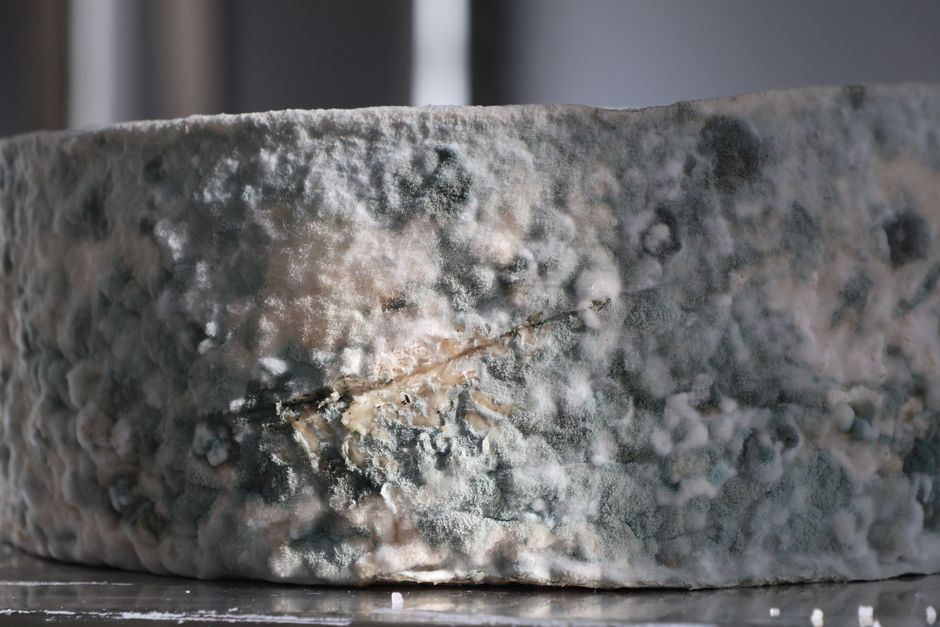
Yes, moldy bread can make you sick. The visible fuzz on the surface is only part of the problem. The roots of the mold, called hyphae, spread invisibly through the soft interior of the bread. Eating it can trigger allergic reactions, breathing problems, or food poisoning. Some molds produce mycotoxins, which are toxic compounds that can cause more serious illness. The safest rule is simple: if you see mold on any bread, throw the entire loaf away.
What Actually Happens When You Eat Moldy Bread?
Most people who accidentally eat a small amount of moldy bread will not notice any symptoms. Their stomach acid and immune system handle it without issue. But this is not guaranteed. The reaction depends on the type of mold, how much you ate, and your overall health.
Common short-term symptoms include nausea, vomiting, diarrhea, and stomach cramps. These usually pass within a day. For people with mold allergies, the reaction can be worse. They might develop wheezing, a runny nose, or itchy eyes shortly after eating the bread. In rare cases, people with asthma or weakened immune systems can have a more severe response.
The real concern is mycotoxins. Certain molds, especially Aspergillus and Penicillium species, produce these toxins. Research published in the journal Toxins has found that mycotoxins can survive baking and processing. This means even bread that looks normal could contain these compounds if the grain was contaminated before milling.
Can You Just Cut Off the Mold and Eat the Rest?
No. This is one of the most common food safety mistakes people make. With hard foods like cheese or firm fruits, cutting an inch around the mold is generally safe because the roots cannot penetrate dense surfaces. Bread is different. It is soft, porous, and full of air pockets.
The USDA explicitly warns against this. Mold on bread has threadlike roots that extend far beyond what your eyes can see. A small spot on the crust can have invisible filaments spreading through the entire slice and into the next slice in the bag. By the time you see mold, the contamination is almost always deeper than you think.
There is no way to tell how far the roots have traveled just by looking. Your nose is not reliable either. Some toxic molds do not produce a strong smell. The only safe approach is to discard the entire loaf.
What Kinds of Mold Grow on Bread and How Dangerous Are They?
Several types of mold commonly grow on bread. The most frequent are Rhizopus stolonifer, which looks like black or gray fuzz, and Penicillium, which appears green or blue. Aspergillus is less common but more concerning because it can produce aflatoxins, which are potent mycotoxins linked to liver damage in high doses.
The table below summarizes the main types and their potential risks:
| Mold Type | Appearance | Risk Level |
|---|---|---|
| Rhizopus | Black or gray fuzzy patches | Low to moderate. Usually causes mild stomach upset. |
| Penicillium | Blue-green or white fuzzy spots | Moderate. Can produce mycotoxins. Some species are used in cheese production but the bread variety is different. |
| Aspergillus | Yellow-green or black powdery spots | Higher. Produces aflatoxins in some strains. More dangerous for people with liver conditions or weak immune systems. |
| Mucor | White or gray fuzzy growth | Low. Common on bread. Usually causes no serious illness in healthy people. |
It is important to understand that you cannot identify the mold type by looking at it. A green spot on your bread could be harmless Penicillium or it could be a strain that produces harmful mycotoxins. There is no home test to tell the difference.


Can Moldy Bread Give You Mycotoxin Poisoning?
Yes, though it is rare from a single exposure. Mycotoxin poisoning usually requires consuming contaminated food over a longer period. The World Health Organization reports that long-term exposure to aflatoxins is a known risk factor for liver cancer. This is more of a concern in parts of the world where grain storage is poor and contamination is widespread.
For most people in the United States eating one piece of moldy bread will not cause mycotoxin poisoning. The bigger immediate risk is allergic reaction or foodborne illness from bacteria that often grow alongside the mold. Bacteria like Bacillus cereus can cause vomiting and diarrhea within hours. These bacteria are not always visible and they thrive in the same moist conditions that mold likes.
If you experience severe symptoms after eating moldy bread, such as difficulty breathing, high fever, or bloody diarrhea, seek medical attention. For mild stomach upset, rest and hydration are usually enough. Call your doctor if symptoms last more than 24 hours.
Does Toasting Moldy Bread Kill the Mold and Make It Safe?
No. Toasting does not solve the problem. The heat from a toaster is not high enough to destroy mycotoxins. Research has shown that aflatoxins can withstand temperatures above 480°F (250°C). Most home toasters operate between 310°F and 420°F. That is not hot enough to break down the toxins.
Toasting also does nothing about the mold roots that have spread through the bread. The heat might kill the surface mold cells, but the hyphae and any toxins they produced remain. You are still consuming the contaminated material. The texture might change, but the risk does not disappear.
The same logic applies to baking the bread into croutons or breadcrumbs. Heat processing does not reliably remove mycotoxins. Some studies suggest that fermentation during bread baking can reduce toxin levels, but this is not consistent enough to rely on. If the bread was moldy before baking, the final product is still unsafe.
Who Is Most at Risk from Eating Moldy Bread?
Healthy adults with no allergies are the least likely to have a serious reaction. Their immune system and stomach acid handle most mold spores and bacteria without issue. However, certain groups face higher risks.
- People with mold allergies can have symptoms ranging from sneezing to severe asthma attacks.
- People with weakened immune systems, such as those undergoing chemotherapy, organ transplant recipients, or people with HIV, are more vulnerable to fungal infections. Inhaling mold spores from bread can cause respiratory infections in these individuals.
- Pregnant women are not at higher risk from the mold itself, but the bacteria that often accompany mold can cause food poisoning, which is more dangerous during pregnancy.
- Infants and young children have developing immune systems and smaller body mass, making them more susceptible to the effects of mycotoxins.
If you fall into any of these categories, be extra careful with bread storage and check loaves before eating. Do not take chances with bread that is past its expiration date or shows any signs of moisture spots.
How Should You Store Bread to Prevent Mold?
Mold needs moisture, warmth, and oxygen to grow. Bread provides all three. The best way to slow mold growth is to control these factors. Keep bread in a cool, dry place. A bread box works well because it allows some airflow while blocking light.
Refrigeration is a mixed option. It slows mold growth but also causes bread to go stale faster. The starch molecules recrystallize in the cold, making the bread dry and hard. If you will finish the loaf within a few days, room temperature storage is fine. For longer storage, freezing is the best choice. Freezing stops mold growth completely and preserves the texture better than refrigeration.
Some people report success with storing bread in the microwave or a sealed plastic bag. The USDA advises against this. Trapped moisture inside a sealed bag creates the perfect environment for mold. If you buy bread in a plastic bag, leave it slightly open or transfer it to a breathable container. Check the bread before each use and discard at the first sign of mold.
Frequently Asked Questions
Can you get sick from smelling moldy bread?
Yes, inhaling mold spores can cause allergic reactions or respiratory irritation. People with asthma or mold allergies may develop coughing, wheezing, or nasal congestion.
How long after eating moldy bread will you get sick?
Symptoms usually appear within a few hours to a day. Nausea, vomiting, and diarrhea are the most common signs.
Does mold on bread always mean the whole loaf is bad?
Yes, the invisible roots extend beyond the visible spot. The entire loaf should be discarded for safety.
Can you eat bread with a small spot of mold if you remove it?
No, cutting off the moldy part does not remove the hidden roots or any toxins already produced. Throw the whole loaf away.
